


Origins and History of the Bolshoi Theatre
The history of the Bolshoi Theatre began in 1776. During that year, Catherine II granted Prince Peter Vasilyevich Urusov a licence to organize theatrical performances, balls, and other forms of entertainment. These early productions were held in private venues before the establishment of more permanent structures. The evolution of the institution was marked by significant physical changes and the destruction of previous sites. On 8 October 1805, the Petrovka Theatre was destroyed by fire. This loss necessitated the construction of the New Arbat Imperial Theatre, which replaced the Petrovka site on 13 April 1808.
The current building was constructed between 1821 and 1824. It opened on 18 January 1825 under the name Bolshoi Petrovsky Theatre. This structure emerged from a period of architectural transition in Moscow, following the earlier designs of Andrei Mikhailov. The institution has maintained its presence in the city through various reconstructions and shifts in its administrative structure, moving from the private sphere to a central role in the Russian theatrical landscape.
The Architecture of the Neoclassical Masterpiece
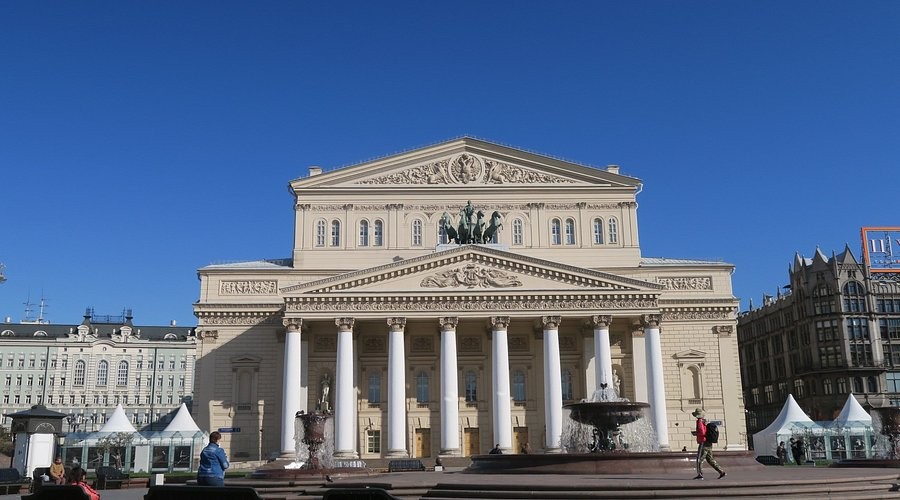
The current structure is the result of a design by architect Joseph Bové. His work was based upon an initial competition-winning design created by Andrei Mikhailov. The building's façade presents a fusion of neoclassical symmetry and intricate sculptural detail. This aesthetic is so central to the national identity that the façade is depicted on the Russian 100-ruble banknote.
The exterior is defined by a magnificent eight-columned portico. This structure supports a triangular pediment, which is crowned by the Quadriga of Apollo. This bronze sculpture depicts the sun god driving a chariot drawn by four horses. The architectural composition emphasizes balance and proportion, reflecting the imperial ambitions of the early 19th century.
A Collection of Historical Costumes
The museum houses an extraordinary collection of costume designs that document the evolution of Russian ballet and opera. These archives include delicate sketches by designers such as Marius Petipa and Konstantin Branislavski, often rendered in charcoal and watercolor. These drawings provide a technical record of the initial conceptualization for various productions, capturing the intended movement and form before the garments were constructed.
Original garments from significant performances, including La Bayadère and The Pharaoh’s Daughter, are preserved within the collection. These pieces demonstrate the craftsmanship and specific techniques used by master tailors and seamstresses to meet the demands of the stage. The collection also reflects broader artistic shifts, such as the influence of Salvador Dali's set designs for Los Sacos Del Molinero, which introduced surrealist visual language to the theatrical space.
Recent curatorial focus has been directed toward showcasing the evolution of costume design. By examining these changes, one can trace the technical and aesthetic shifts in theatrical production over several centuries. The transition from traditional balletic aesthetics to more experimental forms is visible through the physical garments and the accompanying design sketches.
Musical Scores and Historical Documents
The museum houses a wealth of supporting materials that provide insight into the musical landscape of various productions. This collection includes a remarkable array of scores, ranging from early 19th-century operas to 20th-century ballets. These documents offer a direct look at the compositions that have defined the theatre's repertoire over the decades.
Accompanying these musical records are program booklets, many of which are adorned with illustrations. These printed materials provide specific details regarding cast members and stage designs. Alongside these items, a collection of vintage photographs captures the theatre’s early years, documenting the personalities and performers who shaped its history.
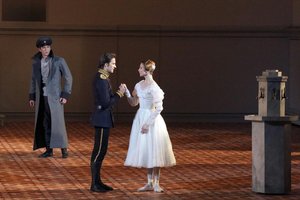
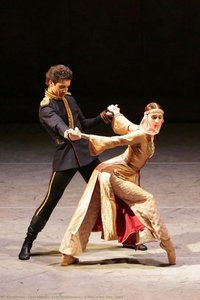
- “A Hero of Our Time” ballet, about 2015
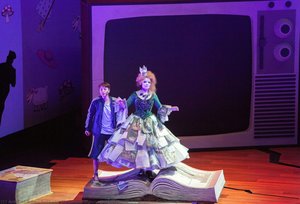
- “The Child and the Spells” opera, about 2013
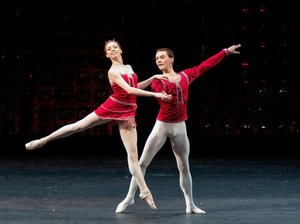
- “Jewels: Rubies” ballet, about 2012
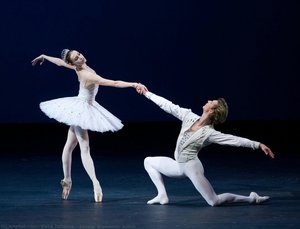
- “Jewels: Diamonds” ballet, about 2012
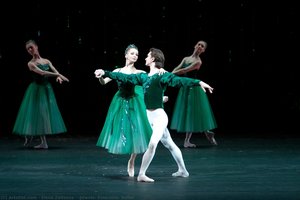
- “Jewels: Emeralds” ballet, about 2012
Masterpieces of the Bolshoi Collection
The collection contains significant works from the recent decades of Russian performance. Elena Zaitseva and Kirill Serebrennikov contributed to the ballet “A Hero of Our Time,” which dates to about 2015. This work is part of a series of productions that define the modern repertoire of the theatre.
The opera “The Child and the Spells,” created about 2013 by Anthony Mcdonald-Tipungwuti, represents the diverse range of vocal works held here. Alongside these, the collection includes several pieces from the Jewels series. Elena Zaitseva produced the ballets “Jewels: Rubies,” “Jewels: Diamonds,” and “Jewels: Emeralds” around 2012.
- “A Hero of Our Time” ballet, about 2015 - Elena Zaitseva, Kirill Serebrennikov
- “The Child and the Spells” opera, about 2013 - Anthony Mcdonald-Tipungwuti
- “Jewels: Rubies” ballet, about 2012 - Elena Zaitseva
- “Jewels: Diamonds” ballet, about 2012 - Elena Zaitseva
- “Jewels: Emeralds” ballet, about 2012 - Elena Zaitseva
Recent Renovations and Restorations
The Bolshoi Theatre underwent an extensive six-year renovation that concluded with its reopening on 28 October 2011. This project required a significant investment, with the official cost of the renovation recorded at 21 billion rubles ($688 million). The work focused on the technical and aesthetic integrity of the building, ensuring the structure could continue its function for future generations.
A primary objective of the restoration was the recovery of the theatre's acoustic properties. Engineers worked to restore the acoustics to their original quality, addressing levels of sound that had been lost during the Soviet era. This technical precision was matched by a commitment to historical accuracy in the interior. The renovation involved the careful restoration of the original imperial decor, preserving the specific visual language of the theatre's past.