

Origins and History of the Institution
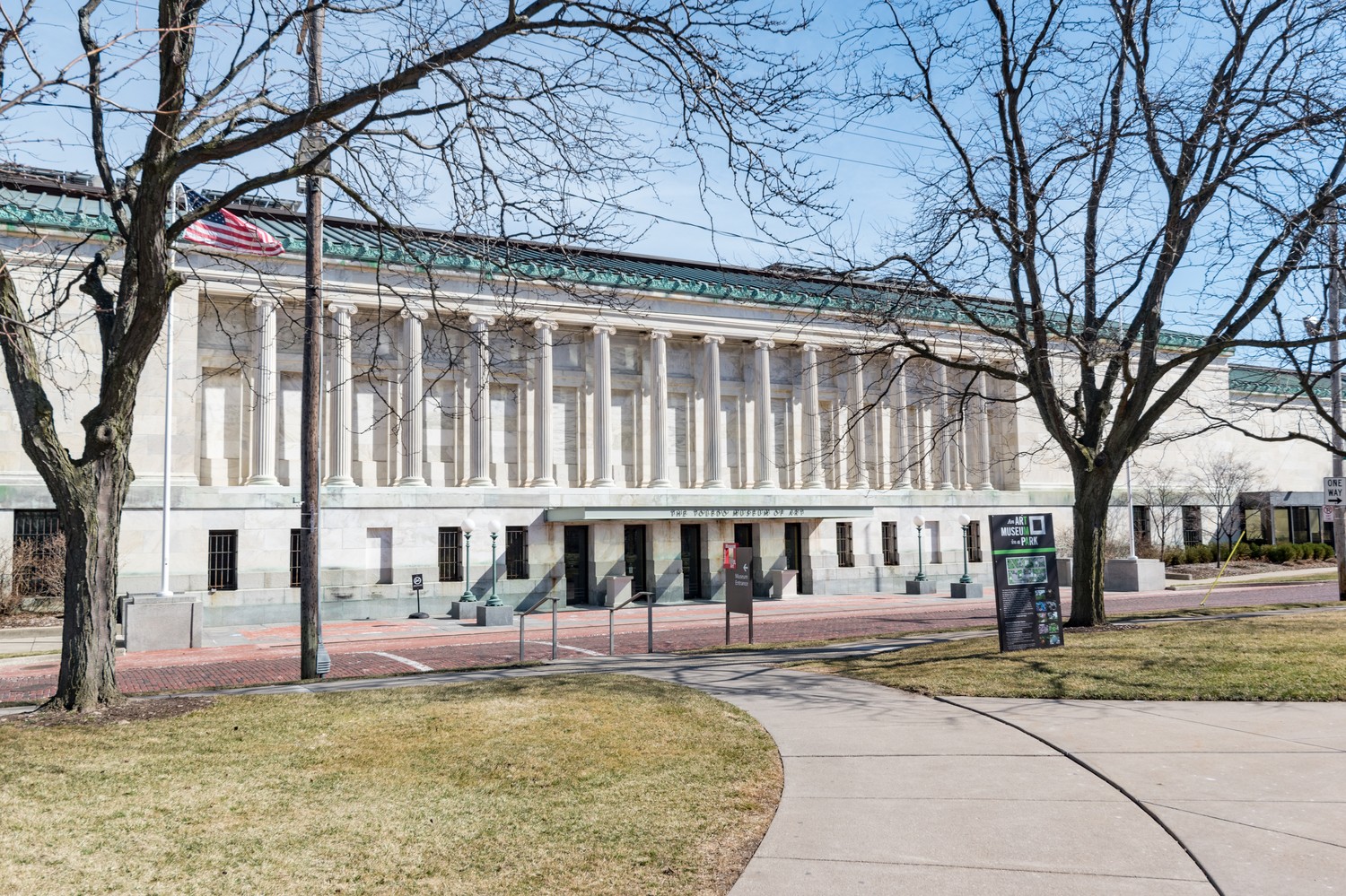
The Toledo Museum of Art emerged in 1901 from the conviction of Edward Drummond Libbey. A glassmaker by trade, Libbey sought to ensure that visual culture remained accessible to all, a principle that remains central to the institution's identity. This commitment is reflected in the museum's enduring policy of free general admission, a practice maintained since its founding to remove social barriers to art. The institution is situated within the Old West End neighborhood of Toledo, Ohio, where it has grown from its initial purpose into a significant presence on a campus that now stretches nearly 40 acres.
The history of the site is tied to the evolution of glassmaking and the local industry. What began as a vision for community enrichment has expanded through decades of growth, moving from its early foundations to a sprawling complex of diverse structures. The museum's development mirrors the changing landscape of the region, evolving from a singular focus on glass to a comprehensive repository of global art. This growth has allowed the institution to house a vast array of objects, from ancient artifacts to modern creations, within a setting that continues to expand its physical and cultural reach.
Architectural Dialogue and Campus Design
The campus unfolds across nearly 40 acres, comprising seven buildings that reflect a continuous evolution of form. The original structure, designed by Edward B. Green and Harry W. Wachter, provides a sense of permanence through its classical proportions. This main building occupies 4.5 acres of floor space across two levels, establishing a grounded presence within the neighborhood. The architecture here relies on a dialogue between these established traditions and more radical, modern interventions.
Frank Gehry’s Center for the Visual Arts introduces a dynamic, sculptural counterpoint to the existing landscape. Its presence challenges the perception of form, offering a stark contrast to the more traditional lines of the earlier buildings. Nearby, the Glass Pavilion, designed by the Pritzker Prize-winning firm SANAA, offers a different kind of transparency. Its curved, transparent walls dissolve the boundaries between the interior galleries and the surrounding natural world, creating an immersive environment where light becomes a primary element of the space.
The Extensive Art Collections
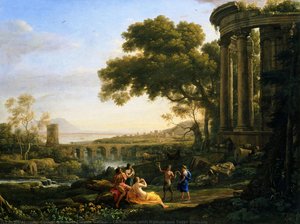
The museum houses a collection of more than 30,000 objects that span a vast chronological and geographical range. Within these walls, the history of art in glass finds a central place, tracing a lineage from ancient Mesopotamian artifacts to the contemporary works produced in the on-site studio. This focus on glass is complemented by a deep inventory of European and American paintings, providing a continuous look at Western artistic development. The presence of these works allows for a direct encounter with the evolution of light and pigment across different eras.
Beyond the canvas, the holdings include significant examples of ancient Greek, Roman, and Egyptian works. These pieces exist alongside a diverse array of Asian and African art, as well as medieval art and sculpture. The breadth of the collection extends into the modern and contemporary periods, where the focus shifts toward more recent developments in form and expression. This variety ensures that the space remains a site for studying the continuous dialogue between different cultures and time periods.
- The Crowning of Saint Catherine, 1599
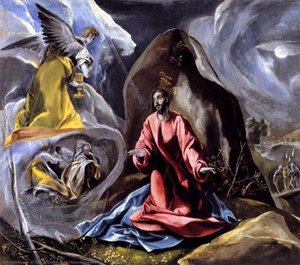
- The Agony in the Garden, 1590
- Water-Lilies, 1917
- Dancers, 1899
Masterpieces of the Permanent Collection
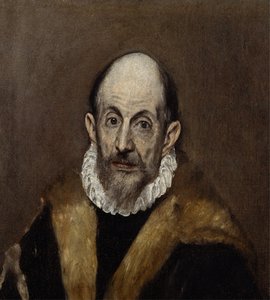
The presence of El Greco within these halls offers a specific kind of spiritual intensity, where light and form move with a singular, dramatic purpose. This energy finds a different expression in the works of Claude Monet, whose paintings capture the subtle shifts of light and atmosphere. Nearby, the paintings of Frans Hals provide a study in technical precision and character. These works exist not as mere images, but as physical presences that demand a quiet, sustained attention.
The collection extends into the modern era, where the influence of Picasso and the structural explorations of Calder and Bearden are felt. These pieces represent a shift in how space and subject matter are understood. Outside, the sculpture garden provides a different environment for contemplation. Here, the works of Alexander Calder and Deborah Butterfield interact with the landscape, their forms shaped by the surrounding light and air.
- The Crowning of Saint Catherine, 1599 - El Greco
- Water-Lilies, 1917 - Claude Monet
- Dancers, 1899 - Edgar Degas
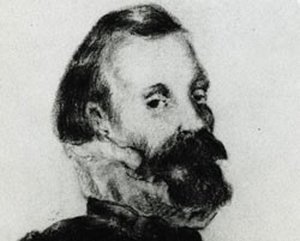
- Victoria Duborg, 1866 - Edgar Degas
- The Architect, 1840 - Thomas Cole