
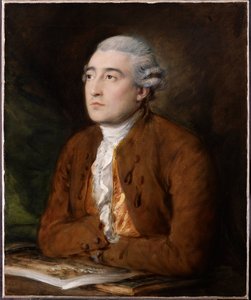

The Quiet Presence of Mirande
In the heart of the Gers department, within the Occitanie region of France, the Tourist Information Center and Museum of Fine Arts, Mirande, holds a collection that reflects the steady pulse of European history. The institution originated from a bequest by Joseph Delort, an art lover and former head of the fine arts department at the Ministry of the Interior. It occupies a space that has evolved through the decades, moving from the former chapel of the Poor Clares to its current form. The atmosphere is one of stillness, where the weight of the 15th to the 19th centuries is felt through the presence of portraits and religious subjects.
The museum carries the Musée de France label, a distinction that speaks to the significance of the works held within its walls. It remains a central repository for classical art in the department, standing alongside the museum in Auch. The collection is characterized by its focus on the great Italian, Flemish, Dutch, and French schools, offering a window into the aesthetic preferences of past centuries.
The Collected Objects
The works held here are not merely images but physical presences that demand a certain type of attention. The selection includes specific pieces that represent the breadth of the museum's holdings:
- Man attacked by a snake, 1776 - Philip James de Loutherbourg
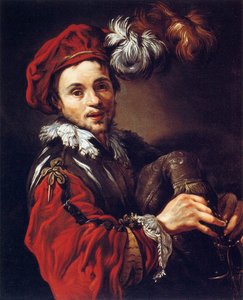
- Zechariah in Meditation, 1650 - Claude Vignon
- Venus Brings Helen back to Paris, 1850 - Jean François Bozio
Beyond the paintings, the museum preserves a significant collection of faience and porcelain. This collection was enriched in 1907 through the bequest of Léonce Passerieu and includes notable pieces from Nevers, Moustiers, and Sceaux. These ceramic works provide a tactile contrast to the oil on canvas, showcasing the craftsmanship of French pottery traditions.
A Space of Local Character
The architecture and the setting of the museum are deeply tied to the identity of Mirande, a Cittaslow town known for its pace of life. The entrance is accessed through the tourist office reception, a practical arrangement that integrates the museum into the daily movement of the town. While the permanent collection focuses on the classical era, the upper floor is used for contemporary exhibitions during the summer months, creating a dialogue between the old and the new.
The building is designed for accessibility, featuring an elevator and step-free entrances. It serves as a repository for over 400 works, including a Flemish Adoration des bergers that remains a significant part of the visual landscape here. The museum exists as a quiet anchor in the Gers, preserving the artistic legacy of the region through its carefully maintained holdings.