
A Living Chronicle of Flemish Grandeur
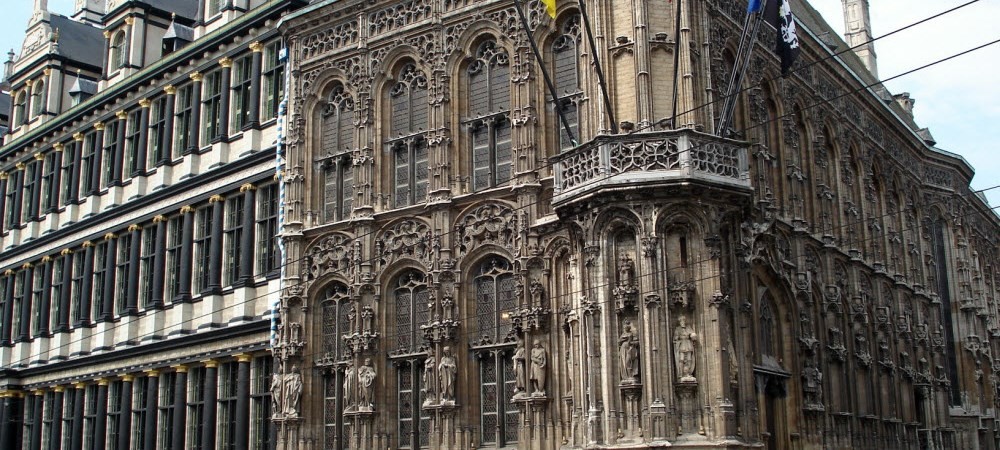
In the beating heart of Ghent, where the cobblestone streets whisper tales of medieval merchants and Renaissance masters, stands the Stadhuis . This is not merely a seat of governance but a profound architectural dialogue between eras. To approach its façade is to witness a breathtaking collision of styles; the soaring, intricate Gothic arches of De Keure reach toward the heavens with spiritual ambition, while the more refined, balanced proportions of the Renaissance-era Gedele reflect the humanistic clarity that would soon redefine European thought. Every carved stone and sculpted figure—from the stoic representations of virtues like justice and prudence to the noble portraits of Saint Nicholas—serves as a silent sentinel, guarding the civic pride of a city that has flourished through centuries of upheaval and triumph.
Stepping within these walls is akin to traversing a temporal bridge. The building itself mirrors the tumultuous evolution of Ghent, from its origins as a Viking-influenced trading hub to its golden age under Burgundian patronage. As one wanders through the halls, the very air seems heavy with the weight of history. Detailed murals adorn the interior, weaving a vibrant tapestry of political intrigue and religious devotion that captures the essence of the Flemish spirit. It is a place where the architectural grandeur of the 16th century meets the lived experience of the modern citizen, offering an immersive journey through the layers of time that have shaped the Low Countries.
The Soul of Ghent: Artistry and Heritage
Integrated seamlessly into this historic monument is STAM , the Ghent City Museum, a dynamic sanctuary where the past is meticulously curated for the contemporary eye. For the art lover and the collector, STAM offers much more than a mere display of relics; it provides a profound look at the evolution of Flemish identity. The museum’s collection is a masterclass in cultural continuity, spanning from the rugged, evocative textures of medieval life to the luminous, sophisticated masterpieces of the Renaissance. Here, archaeology meets fine art, allowing visitors to witness how the physical landscape of Ghent has been shaped by the same hands that wielded the brush and the chisel.
One cannot discuss the treasures of this institution without mentioning the breathtaking mastery of Gerard ter Borch II . His monumental depiction of the Ratification of the Peace of Münster stands as a pinnacle of the collection, captivating all who behold it with its dramatic use of chiaroscuro. The way light dances across the heavy fabrics and illuminates the solemn faces of the negotiators creates an emotional depth that transcends the canvas, reminding us of Ghent’s pivotal role in the grand theater of European diplomacy. For interior designers and connoisseurs of fine art, such works represent the height of technical brilliance and historical significance, making the Stadhuis not just a museum, but a profound source of inspiration for those who seek to surround themselves with beauty and meaning.