Artistic Works in the Collection
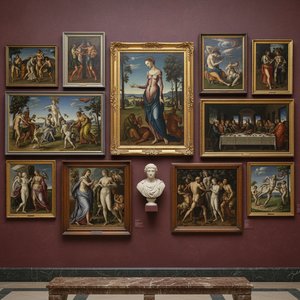
The Vanderbilt Museum of Art holds 92 approved works within its permanent collection. These pieces represent the hands of 76 different artists, creating a quiet dialogue between various styles and eras. The breadth of the collection allows for a slow study of how different painters approached their subjects, from formal portraiture to landscape and still life. Each work exists as a physical presence, inviting a closer examination of brushwork and light.
Certain artists appear more frequently within these walls, providing a sense of continuity in the holdings. George Leo Frankenstein is represented by 10 works, offering a significant presence for those who linger in the galleries. Gilbert Gaul is also well-represented with 4 works. The collection also includes several pieces by John Crome, including a view near Thorpe from about 1807, and three works by Abbott Handerson Thayer. These repetitions of an artist's hand allow for a deeper understanding of their specific visual language.
The arrangement of these 92 works provides a structured encounter with art history. The presence of multiple works by a single creator, such as the contributions from George Leo Frankenstein, provides a way to observe the evolution of a single perspective. This variety ensures that the Vanderbilt Museum of Art remains a place of constant discovery for those who return to study the subtle details of the canvas.
Notable Masterpieces of the Collection
The presence of William Merritt Chase’s Still Life with Fish offers a quiet study in form and texture. Nearby, the 1880 portrait by George Peter Alexander Healy captures a man with a steady, composed gaze. These works exist alongside George Romney’s 1786 depiction, The Infant Shakespeare Attended by Nature and the Passions, which invites a slower observation of its allegorical details. The collection holds a specific weight in its ability to present these individual histories through oil and canvas.
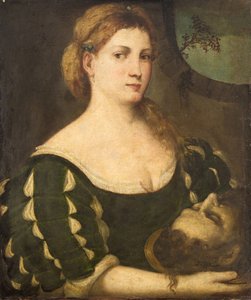
Jean-Baptiste Greuze’s Portrait of a Young Woman from 1770 provides a window into the subtle nuances of eighteenth-century portraiture. This is complemented by the 1793 work by Angelica Kauffmann, Portrait of a Woman, and the 1900 likeness of Joseph Montgomery Peters by Charles Frederick Naegele. Each piece maintains its own space, allowing the viewer to observe the specific brushwork and light that defines each subject. Even the 1909 Sunrise, San Remo by Abbott Handerson Thayer brings a different sense of light and atmosphere to the room.
Religious themes find a place in the collection through Johannes Adam Simon Oertel’s St. John Consoling the Virgin. The work demands a certain stillness. It sits in conversation with the other portraits, contributing to a collection that prioritizes the direct encounter between the observer and the painted subject.