

A Legacy of Light: The Soul of Chicago’s Artistic Heart
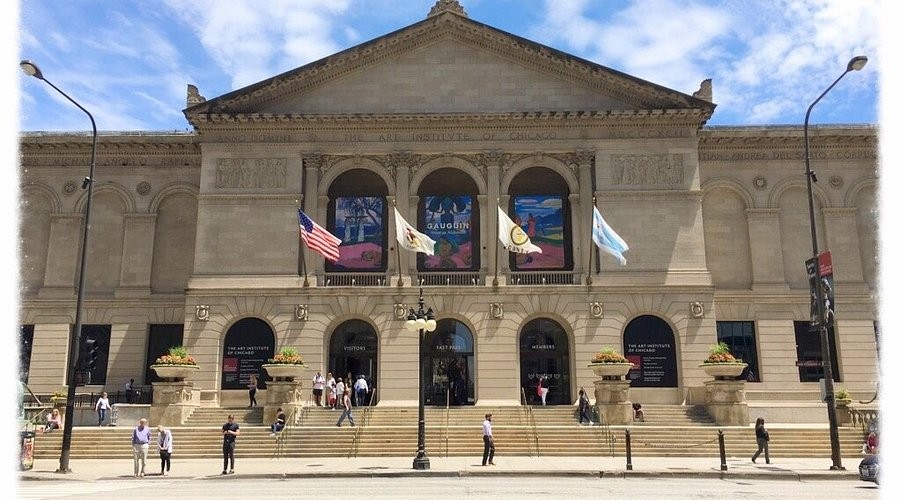
Stepping through the grand doors of the Art Institute of Chicago is akin to embarking on a journey through time, a carefully orchestrated dialogue between past and present, tradition and innovation. Founded in 1879 with an ambition to cultivate artistic appreciation amidst the burgeoning metropolis of Chicago, this institution has evolved into one of the world’s foremost repositories of art, serving as a vibrant testament to the city's own dynamic evolution. More than just a collection of masterpieces, the Art Institute stands as a living embodiment of Chicago’s spirit—its Beaux-Arts grandeur intertwined with a bold embrace of modern design, reflecting a continuous conversation about what it means to be an artistic center in a rapidly changing world.
The museum’s architectural story is inextricably linked to its narrative, presenting a striking juxtaposition of eras. The magnificent building itself, conceived by John Root and Henry Ives for the 1893 World’s Columbian Exposition, immediately establishes a formal aesthetic, an opulent detail that transports visitors to a bygone era of artistic patronage. The soaring rotunda, with its intricate mosaics and celestial ceiling, evokes a sense of awe and ambition—a deliberate symbol of Chicago's aspirations for progress and cultural excellence during the Fair. However, this architectural marvel does not exist in isolation; it engages in a dynamic conversation with its modern counterpart, Renzo Piano’s Millennium Park addition. This soaring structure of glass and steel represents a deliberate departure from tradition, prioritizing natural light and sustainable practices to create an immersive experience that mirrors the museum's commitment to both preserving artistic heritage while embracing new creative frontiers.
A Chronological Journey Through Masterpiece and Emotion
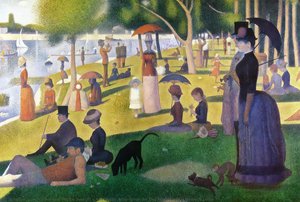
Within the Art Institute’s walls resides a breathtaking collection, offering a chronological journey through the very evolution of human creativity. To wander these galleries is to witness the shifting tides of light and shadow; one might find themselves lost in the luminous brushstrokes of Claude Monet’s Floden , where the tranquil beauty of a riverside park scene is captured with an ephemeral, shimmering grace. This obsession with capturing fleeting moments finds its emotional counterpart in Vincent van Gogh's poignant La Berceuse, Portrait of Madame Roulin , which delves into a quiet intimacy, conveying profound emotion through expressive, textured strokes that offer a glimpse into the very soul of the subject.
The collection transitions seamlessly from the delicate nuances of Impressionism to the haunting depths of American Modernism. The American Masters section remains an essential pilgrimage for any lover of art, featuring Edward Hopper's Nighthawks , a quintessential image of urban solitude that captures the profound loneliness of modern existence. In stark contrast stands Grant Wood’s iconic American Gothic , a powerful reflection on rural values and the complexities of the American experience—a scene both familiar and unsettlingly evocative. Beyond these celebrated icons, the museum houses an astonishing array of treasures: Egyptian antiquities that whisper tales of pharaonic gods, European paintings spanning from the Renaissance to the avant-garde, and a remarkable collection of decorative arts that reflect the exquisite craftsmanship of various eras.
A Catalyst for Intellectual Curiosity and Global Dialogue
The Art Institute is far more than a visual experience; it is a profound center of scholarship and learning that continues to shape our global understanding of art history. Through its prestigious Ryerson & Burnham Libraries, one of the nation’s largest art history and architecture libraries, the museum remains at the forefront of scholarly inquiry. This intellectual rigor is matched by a commitment to public engagement, hosting groundbreaking exhibitions that illuminate unexpected connections between disparate artistic movements. For instance, exhibitions such as Van Gogh in America have explored the fascinating parallels between Dutch Impressionism and domestic creativity, while Georgia O’Keeffe: Living Modern revealed the artist's evolution from modernist painter to an enduring cultural icon.
This dedication to education extends to all generations, with programs ranging from children’s art classes to expert-led guided tours that explore the subtle nuances of specific masterpieces. For the collector seeking inspiration or the interior designer searching for a sense of timelessness, the museum provides an inexhaustible well of aesthetic truth. It is a place where beauty, history, and innovation converge, ensuring that the Art Institute of Chicago remains not just a monument to the past, but a vital, breathing participant in the ongoing story of human expression.