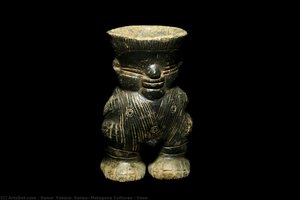
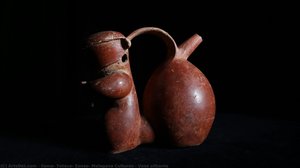
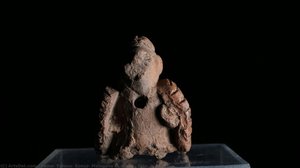
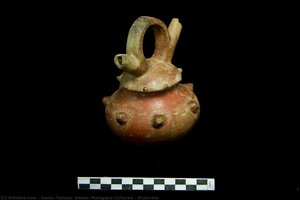
Ilama, Yotoco, Sonso, Malagana Cultures
The Calima culture—a constellation of pre-Columbian societies flourishing in Colombia’s Valle del Cauca region between approximately 200 BCE and 400 CE—stands as a testament to remarkable artistic innovation and sophisticated social organization. These four distinct cultures – Ilama, Yotoco, Sonso, and Malagana – collectively shaped the cultural landscape of ancient Colombia, leaving behind an enduring legacy visible in their stunning ceramics and masterful goldwork. Understanding their achievements requires delving into the complexities of their environment, beliefs, and artistic practices.Origins and Societal Structure: The Ilama Foundation
The Ilama culture emerged along the Calima River near modern-day Restrepo and Darién around 1500 BCE. Characterized by a hierarchical social structure known as cacicazgos—chiefdoms ruled by powerful elites—the Ilama society prioritized agricultural productivity, primarily focused on cultivating yuca and beans. Textile weaving was a cornerstone of their economy alongside metallurgy, hunting, fishing, and trade. The Ilama’s leadership resided in the hands of a cacique who oversaw governance and commanded warriors, ensuring stability and defense against external threats. Furthermore, shamans played an integral role in religious rituals and healing practices, reflecting a deep connection to the natural world and ancestral traditions. Their distinctive ceramics—often adorned with bold red and black pigments—depicted stylized animal motifs and geometric patterns, hinting at cosmological beliefs centered on fertility and cyclical renewal. The Ilama’s artistic vision prioritized symbolic representation, conveying profound spiritual concepts through intricate designs that mirrored the rhythms of nature.The Yotoco Revolution: Embracing Color and Cosmogony
By 100 CE, the Yotoco culture superseded the Ilama tradition, marking a significant shift in artistic expression. Unlike the predominantly monochrome ceramics of the Ilama period, Yotoco artisans embraced vibrant hues—primarily yellows, reds, blues, and greens—creating intricate designs that conveyed complex cosmological narratives. The centerpiece of Yotoco art was goldwork, particularly pectorals like “Pectoral with Face,” currently housed in The Metropolitan Museum of Art’s collection. These pectoral pendants skillfully combined geometric shapes with stylized representations of human faces, symbolizing the cosmos and embodying profound spiritual concepts. The Yotoco economy continued to rely on agriculture but experienced a notable decline in gold production compared to its predecessors. Nevertheless, their artistic achievements cemented their place as pioneers of Colombian prehistory. The Yotoco’s mastery of color—a departure from Ilama aesthetics—expressed a dynamic worldview that celebrated the diversity and interconnectedness of Andean life.Sonso’s Decline: A Shift Towards Simplicity
The Sonso culture persisted until the arrival of the Spanish conquistadors, witnessing a gradual simplification of ceramic production and a corresponding reduction in gold artistry. While maintaining agricultural practices similar to those of previous cultures, Sonso artisans focused on producing utilitarian ceramics—primarily vessels for storing food and liquids—rather than elaborate decorative pieces. The stylistic hallmarks of Sonso ceramics included geometric bands and incised patterns, reflecting a pragmatic aesthetic attuned to daily life. Despite the absence of monumental artistic endeavors, Sonso culture’s contribution to Andean art lies in its preservation of traditional techniques and beliefs during a period of transformative change. The Sonso’s aesthetic—characterized by understated elegance—represented a harmonious balance between functionality and symbolic expression.The Malagana Legacy: Artistic Expression Amidst Uncertainty
The Malagana culture represents the final stage of Calima civilization before Spanish colonization. Precise timelines remain elusive due to limited archaeological evidence, but scholars believe it flourished between 400 CE and 1500 CE. Like its predecessors, Malagana society practiced agriculture—primarily cultivating maize—and engaged in crafts such as pottery and metalworking. However, unlike the elaborate ornamentation of Ilama and Yotoco ceramics, Malagana vessels often featured simpler designs characterized by horizontal bands and geometric motifs. The Malagana culture’s artistic legacy underscores the enduring power of cultural traditions even under challenging circumstances. Its art speaks to a profound understanding of Andean cosmology and spirituality—a testament to the resilience of human creativity in the face of historical upheaval.Preguntas y respuestas
¿En qué ciudad y país nació Culturas Ilama, Yotoco, Sonso Y Malagana?
Culturas Ilama, Yotoco, Sonso Y Malagana nació en Valle del Cauca, Colombia.
¿Con qué otros nombres se conoce a Culturas Ilama, Yotoco, Sonso Y Malagana?
Culturas Ilama, Yotoco, Sonso Y Malagana también es conocido como Cultura Calima, Culturas De La Región Del Calima.