
Un Tapiz del Patrimonio Toscano
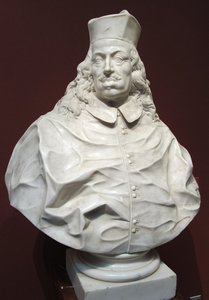
En el sereno paisaje de Grassana, Italia, se encuentra un santuario donde el tiempo parece desacelerar, permitiendo que los susurros del pasado resuenen a través de cada objeto cuidadosamente seleccionado. La Colección Alberto Bruschi es mucho más que una mera agrupación de antigüedades; es un diálogo íntimo entre la mirada perspicaz del coleccionista y el espíritu perdurable de la artesanía toscana. Fundada por el difunto Alberto Bruschi —un hombre cuya vida estuvo dedicada a la preservación de la historia tangible—, esta colección evita la escala abrumadora de los grandes museos nacionales en favor de una intimidad profunda y enfocada. Aquí, el visitante es invitado no solo a observar, sino a sentir el pulso de una era donde cada marca de cincel y cada trazo de esmalte cuenta una historia de identidad regional y evolución artística.
La Maestría de la Forma y la Función
Deambular por la colección es ser testigo de la metamorfosis estilística de los siglos, ofreciendo una clase magistral sobre las mareas cambiantes del gusto europeo. Para el diseñador de interiores o el amante de la decoración fina, las piezas de mobiliario sirven como una crónica impresionante del cambio. Uno podría verse cautivado por la opulencia y los dramáticos adornos del periodo Barroco , donde la ornamentación pesada y el movimiento dominan la estancia, para luego transicionar hacia la refinada y disciplinada elegancia de las siluetas neoclásicas. Este viaje se complementa bellamente con un exquisito repertorio cerámico que tiende un puente entre lo utilitario y lo sublime. Desde humildes vajillas que alguna vez adornaron las mesas de familias locales hasta figuras de porcelana intrincadamente esculpidas, estas cerámicas ofrecen una visión conmovedora de los ritals de la vida cotidiana y del humanismo floreciente del Renacimiento.
El Legado Imperecedero del Artesano
Más allá de las suaves curvas de la madera y la arcilla, la colección encuentra su alma estructural en las magistrales exhibiciones de herrería. La presencia de puertas ornamentadas y barandillas delicadas ejemplifica la pura virtuosismo de los herreros de la era victoriana , demostrando que incluso los elementos más funcionales de una propiedad pueden elevarse al nivel de las bellas artes. Esta intersección entre utilidad y belleza es lo que define a la Colección Alberto Bruschi. Celebra el cómo tanto como el qué , iluminando las técnicas de los artesanos locales que dieron forma al paisaje visual de la Toscana desde el Renacimiento hasta el siglo XIX. En este espacio singular, el legado de un coleccionista dedicado asegura que la meticulosa destreza del pasado permanezca como una inspiración vibrante y viva para los coleccionistas y estetas del futuro.