Museo de la Agricultura y Alimentos de Canadá

Información esencial

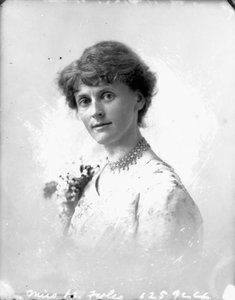
  • Featured artists: Faith Fyles
  • Location: Ottawa, Canada
  • Works on APS: 1
  • Alternate names:
    • Canada Agriculture and Food Museum
    • Museo de la Agricultura
    • Canada Agriculture Museum
    • NMC

Canada Agriculture and Food Museum: A Living Legacy of Innovation

The Canada Agriculture and Food Museum stands as a singular testament to Canada’s enduring connection with the land—a place where history breathes alongside cutting-edge science, fostering an appreciation for both our past harvests and the future of food production. Located within the venerable Central Experimental Farm in Ottawa, Ontario, this institution isn't merely a repository of artifacts; it’s a dynamic environment designed to ignite curiosity and inspire understanding across generations.

A Journey Through Time: Agricultural History

At its core lies an exploration of Canada’s agricultural evolution—from the earliest Indigenous farming techniques passed down through millennia to the sophisticated innovations shaping our contemporary landscape. Visitors delve into meticulously recreated homesteads, examining tools and implements that speak volumes about resilience and ingenuity. Interactive displays illuminate pivotal moments in Canadian history, demonstrating how advancements in agriculture have underpinned economic prosperity and shaped cultural identity. The museum’s curators skillfully weave narratives that connect visitors to the roots of their nation's heritage. Detailed reconstructions showcase the evolution of farming practices from pre-colonial times through the Industrial Revolution, emphasizing the crucial role played by experimentation and observation in shaping Canadian agricultural traditions.

Science Beneath the Surface: Food Science Discoveries

Beyond the tangible relics of bygone eras, the Canada Agriculture and Food Museum champions a deeper understanding of food science—the intricate processes transforming raw materials into nourishing sustenance. Exhibits unravel the complexities of crop cultivation, processing methods, and nutritional considerations, emphasizing the importance of sustainable practices and informed dietary choices. Demonstrations showcase groundbreaking research conducted at the Farm’s laboratories, highlighting Canada's role as a leader in agricultural innovation. Microscopes reveal the microscopic world within grains and fruits—a captivating glimpse into the science underpinning our daily meals.

The Dairy Barn: A Cornerstone of Heritage

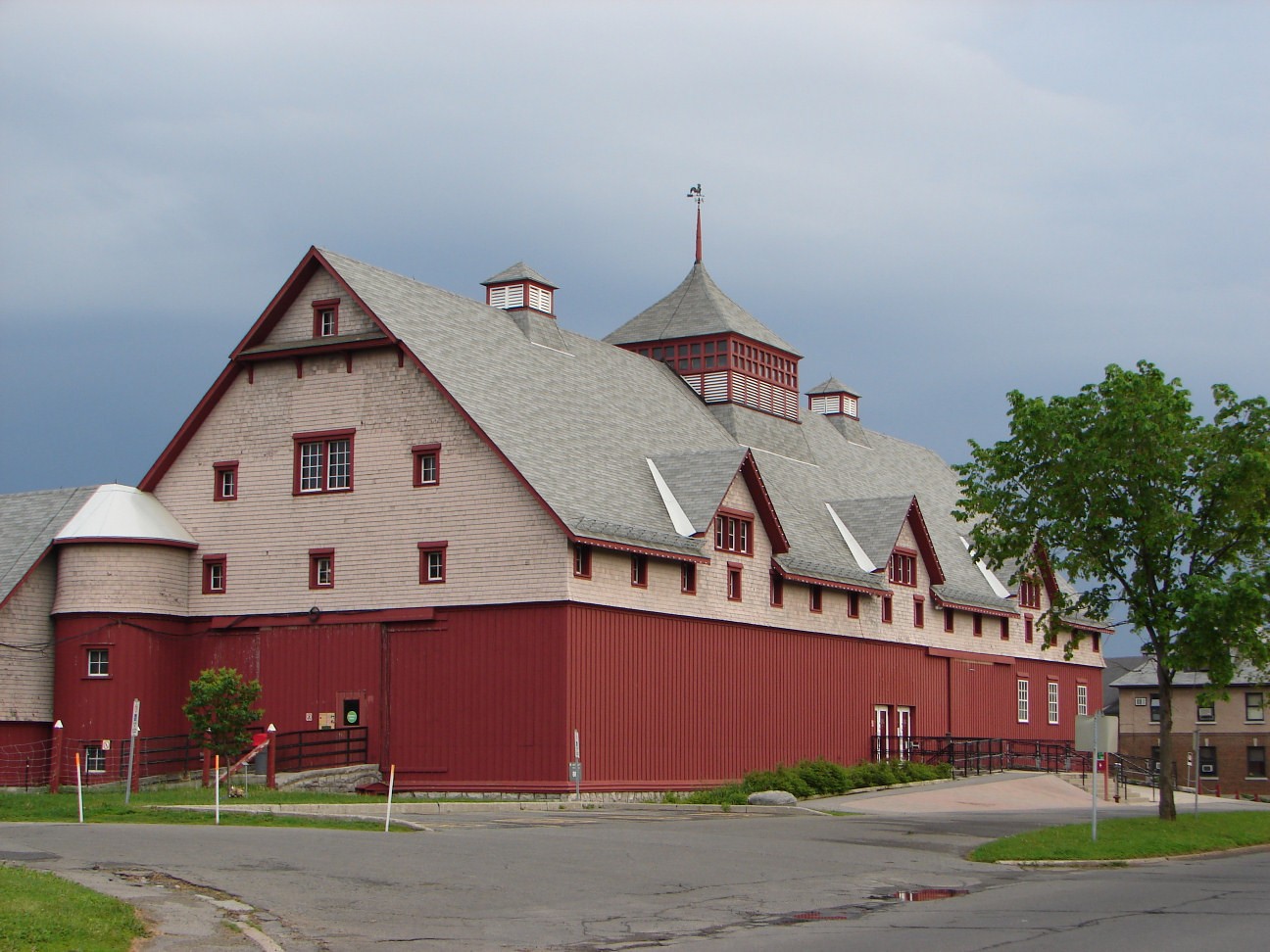
Dominating the museum’s architectural landscape is the “Dairy Barn,” originally constructed in 1887–88 and rebuilt after a devastating fire in 1913. Designated as a Federal Heritage Building, this impressive stone structure embodies the stylistic sensibilities of late nineteenth-century Canada—a deliberate choice reflecting the Farm's historical significance as a centre for dairy research. Today, it houses a functioning herd of cows, offering visitors an unparalleled opportunity to witness firsthand the traditions and techniques that have sustained Canadian agriculture for over a century. Its soaring ceilings and exposed timber beams evoke a sense of grandeur and permanence, symbolizing the enduring legacy of agricultural innovation in Canada.

Expanding Horizons: Recent Exhibitions & Future Vision

Recent additions to the museum’s offerings include “Memories Are Made in the Kitchen,” a collaborative project celebrating Canada's diverse culinary heritage—featuring photographs, artifacts, and interactive play kitchens designed to engage visitors of all ages. Furthermore, Ingenium’s ongoing commitment to innovation ensures that the Canada Agriculture and Food Museum remains at the forefront of agricultural education and cultural preservation. The museum continues to explore new avenues for outreach and engagement, solidifying its position as a vital resource for fostering appreciation for Canadian agriculture and food traditions. Interactive installations encourage visitors to consider how farming practices contribute to environmental stewardship—a crucial dialogue shaping the future of our nation’s food system. ### Notable Collections & Highlights: The museum's collection boasts over 20,000 artifacts spanning centuries of agricultural history, including meticulously crafted tools, decorative ceramics reflecting regional traditions, and stunning botanical illustrations documenting Canada’s flora. Among its most celebrated treasures are representations of canola—a Canadian staple—and a remarkable assemblage of vintage tractors that revolutionized farming productivity. These objects serve as tangible reminders of Canada's rich agricultural heritage and inspire contemplation on the evolution of rural life.

Test de arte

Cada pregunta tiene una única respuesta correcta.

Pregunta 1:
¿Cuál es el museo más conocido por ofrecer una experiencia única centrada en la historia agrícola canadiense?
Pregunta 2:
¿Dónde se encuentra el Museo Canadá Agricultura y Alimentos?
Pregunta 3:
¿El edificio del Granero de Leche fue designado como Patrimonio Histórico Federal debido a que refleja:
Pregunta 4:
¿Qué hace que el Museo Canadá Agricultura y Alimentos destaque entre otros museos?
Pregunta 5:
¿Qué celebra la nueva exposición del museo ‘Memories Are Made in the Kitchen’?
© 2026 mus3ums.com