
Una Sinfonía Sagrada de Piedra y Espíritu
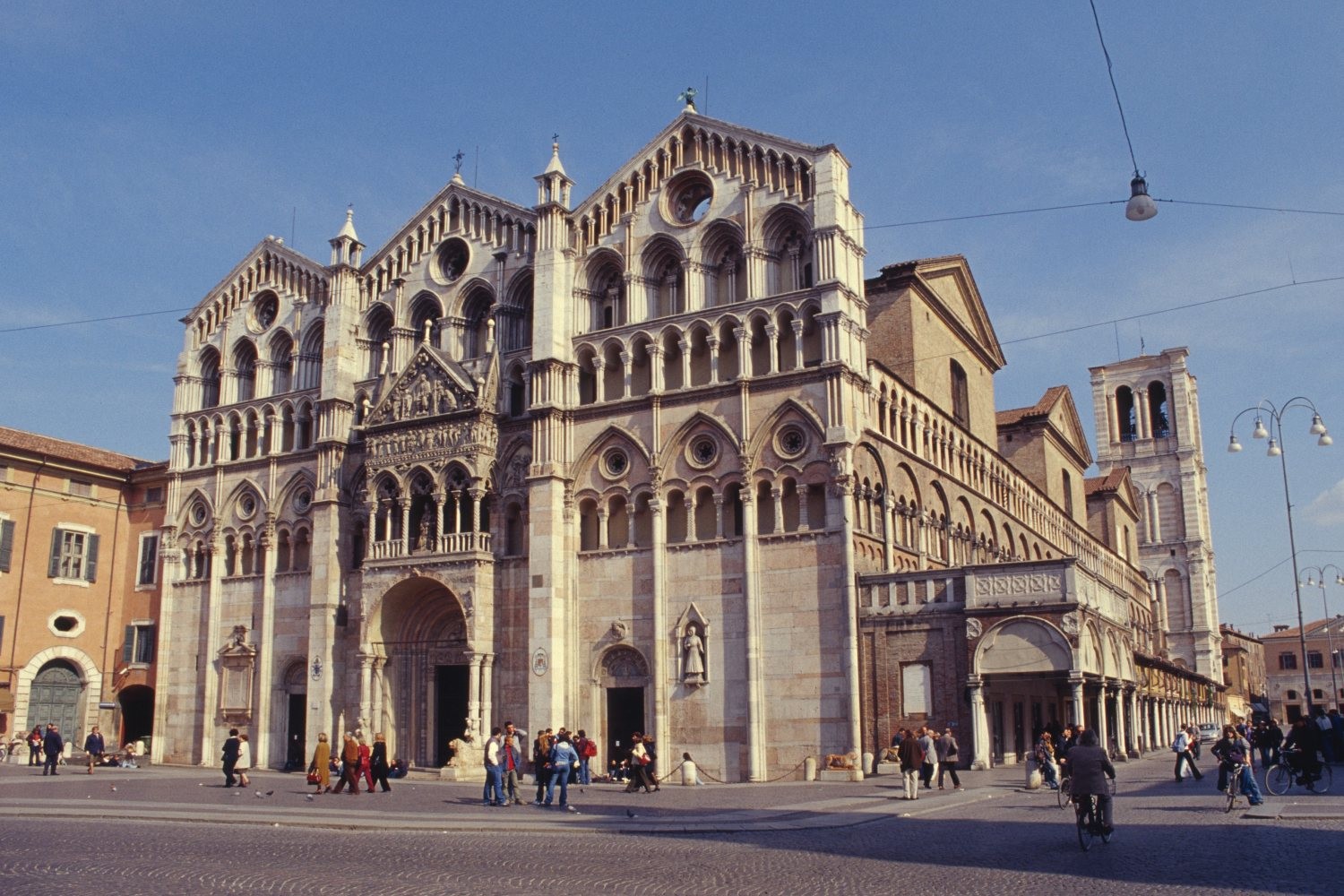
Enclavado en el corazón de Ferrara, una ciudad donde el esplendor del Renacimiento aún respira a través de cada antigua piedra de sus calles, se encuentra el Museo de la Catedral. Entrar en este santuario es traspasar el velo del mundo moderno para adentrarse en un reino donde los límites entre lo terrenal y lo divino se han desdibujado desde hace mucho tiempo. Alojado en la antigua iglesia de San Romano, el museo es mucho más que un simple repositorio de reliquias religiosas; es un viaje inmersivo a través de siglos de fe, poder y una innovación artística sin parangón. La arquitectura misma del complejo habla del legado perdurable de Ferrara, ofreciendo una profunda sensación de peso histórico que resuena con los ecos de la devoción medieval y la brillantez de los maestros del Renacimiento.
El Alma Escultórica de la Escuela Ferrarese
La colección del museo sirve como una narrativa fascinante de la evolución artística, particularmente a través de sus impresionantes obras escultóricas. Es imposible recorrer estas salas sin quedar cautivado por el poder emotivo de Jacopo della Quercia, una figura fundamental que tendió un puente magistral entre el delicado estilo gótico y las florecientes formas clásicas del Renacimiento. Sus esculturas, especialmente aquellas que representan la vida de Cristo, poseen una sensibilidad extraordinaria, utilizando pliegues sutiles y rostros expresivos para prefigurar el arte revolucionario del propio Miguel Ángel. Este sentido del drama se intensifica aún más con las obras de maestros locales como Lodovico Ferrari. Sus escenas de "masacres", caracterizadas por una intensidad poderosa y a menudo inquietante, ofrecen una visión visceral del turbulante clima religioso y político que moldeó el paisaje de Ferrara durante su edad de oro.
Cosmé Tura y el Resplandor del Órgano
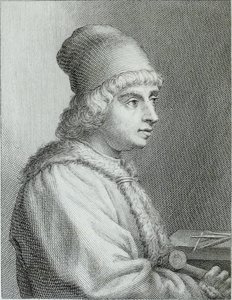
Sin embargo, la verdadera joya de la corona de la colección es el magnífico mueble del órgano de Cosmé Tura. No se trata simplemente de una pieza funcional de mobiliario litúrgico; es una obra de arte monumental que se erige como testimonio del estilo único y enigmático de Tura. En un deslumbrante despliegue de madera tallada, bronce dorado y esmaltes vibrantes, el mueble actúa como un intrincado tapiz narrativo. Cada panel está meticulosamente ejecutado, representando escenas bíblicas y vidas de santos con un nivel de detalle que refleja la inmensa riqueza y la ambición cultural de la familia Este. Para el amante del arte o el diseñador de interiores, esta pieza representa la cúspide de la artesanía renacentista de Ferrara, donde el color, la textura y el simbolismo convergen para crear un espectáculo de pura y luminosa belleza.
Un Legado Tejido en Oro y Arcilla
Más allá de los grandes logros escultóricos, el museo preserva las texturas íntimas del patrimonio medieval de Ferrara. Las salas están adornadas con cautivadores tapices que alguna vez vistieron la propia catedral, mostrando representaciones alegóricas de virtudes y vicios que guiaban la vida espiritual de la ciudadanía. Junto a estos textiles, se encuentran los exquisitos azulejos creados por el Maestro dei Mesi , cuyos intrincados patrones geométricos y colores vibrantes muestran una maestría olvidada del arte cerámico. Estos tesoros, al igual que el propio museo, proporcionan una ventana invaluable a la vida cotidiana y a la profunda espiritualidad de la dinastía Este. Es esta conexión íntima con el pasado —la capacidad de tocar el tejido mismo de la historia— lo que convierte al Museo de la Catedral de Ferrara en un destino verdaderamente inolvidable para quienes buscan descubrir el alma de Italia.