
A Testament to Love and Light: Exploring the Royal Monastery of Brou
Nestled in the heart of Ambérieu-en-Bresse, France, the Royal Monastery of Brou stands as a breathtaking testament to enduring love, architectural ambition, and centuries of artistic patronage. More than just a museum, it’s a journey through history, a celebration of Flamboyant Gothic artistry, and a poignant reflection on the lives of those who shaped its magnificent walls. Founded in the early 16th century by Marguerite of Austria as a mausoleum for herself and her husband, Philibert II, Duke of Savoy, the monastery quickly evolved into a vibrant center of art and culture, attracting some of Europe’s most celebrated artists and craftsmen. The very stones whisper tales of devotion, ambition, and an enduring love story—a narrative woven directly into the fabric of this extraordinary place.
The Monastery's architectural grandeur is immediately arresting. Constructed primarily in the Flamboyant Gothic style – characterized by its intricate stonework, soaring arches, and delicate detailing – it presents a dramatic spectacle. The façade itself is a masterclass in verticality, drawing the eye upwards towards the heavens. Three imposing cloisters surround the central complex, each offering a unique perspective on the building’s scale and beauty. These spaces, originally designed for contemplation and scholarly pursuits, now invite visitors to marvel at the skill of the builders who painstakingly crafted every column, archway, and stained-glass window. The church itself is undoubtedly the centerpiece, a soaring testament to the era's architectural prowess, showcasing an impressive blend of light and shadow through its expansive windows – a deliberate design meant to evoke a sense of awe and spiritual connection. The interplay of light filtering through these vast panes illuminates the intricate carvings and heraldic symbols adorning the walls, creating a truly immersive experience.
A Treasure Trove of European Art
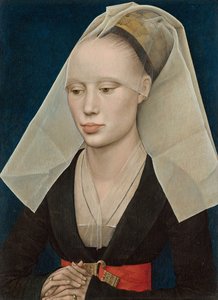
Within the Monastery’s walls resides a remarkably diverse collection spanning centuries and artistic traditions. The museum’s strength lies particularly in its holdings of Flemish and Netherlandish art from the 15th to 17th centuries, offering a captivating glimpse into the artistic innovations of that period. These paintings often depict scenes of religious piety alongside portraits of nobility, reflecting the dual focus of monastic life. Admire portraits by Bernard van Orley, capturing the regal presence of Marguerite of Austria and Charles V with exquisite detail – each brushstroke revealing the artist’s mastery of light and form, a testament to his skill in portraying both character and status. Gustave Moreau's symbolic paintings add a layer of 19th-century mystique to the collection, inviting viewers to delve into the complex narratives woven within his evocative imagery—a world of dreams, mythology, and hidden meanings. Beyond these highlights, you’ll discover an impressive array of medieval sculptures, ranging from the 11th to the 16th centuries, each a testament to the craftsmanship and religious beliefs of its time. Furthermore, the collection includes a broad selection of European art objects – intricately carved wooden panels, delicate porcelain figurines, and illuminated manuscripts—that collectively paint a rich tapestry of artistic evolution.
Echoes of History and Notable Exhibitions
The Monastery’s history is inextricably linked to its artistic legacy. Marguerite of Austria's personal devotion fueled the monastery’s development, attracting artists who were eager to contribute to this ambitious project. The building itself became a symbol of her enduring love for Philibert II, transforming into a mausoleum that served as both a memorial and a testament to their bond. The Monastery has hosted numerous exhibitions over the years, each offering new insights into its history and artistic treasures. Recent events have explored themes ranging from monastic life in the 17th century, as evidenced by Mariana Robles Ortiz’s embroidered textile “El deseo de Leonor,” which vividly depicts the wealth and daily routines of the monks – a rare glimpse into the lives of those who inhabited these walls centuries ago. The Monastery also hosts events related to local traditions, such as the annual film festival, further cementing its role as a vital cultural hub for the region. The 2024 exhibition “Son règne n’a pas de fin - Sacré Cœur” celebrated the legacy of Saint-Rambert-en-Bugey, highlighting the connection between the monastery and the surrounding community.
A Unique Sanctuary: More Than Just a Museum
What truly distinguishes the Royal Monastery of Brou is its unique blend of artistic richness, architectural grandeur, and deeply personal history. It’s not merely a repository of artworks; it's a living testament to enduring love and remembrance – a tangible connection to the lives of Marguerite of Austria and Philibert II. The site offers visitors an immersive experience, transporting them back in time while simultaneously showcasing the beauty and innovation of artistic expression. The very atmosphere within the Monastery feels charged with history—a palpable sense of devotion, artistry, and the passage of centuries. Furthermore, its ongoing program of events ensures that this remarkable place continues to evolve and inspire, solidifying its position as a vital cultural hub for the region. For those seeking a profound encounter with art, history, and human emotion, a visit to the Royal Monastery of Brou is an unforgettable experience.
Visitor Information: The Monastery is open daily (with exceptions) from 9 am to 6 pm. For current admission fees, event schedules, and any potential closures, please consult the official website: https://www.monastere-de-brou.fr/