A Window into Georgian Elegance: Exploring Bath’s Architectural Legacy at The Building of Bath Museum
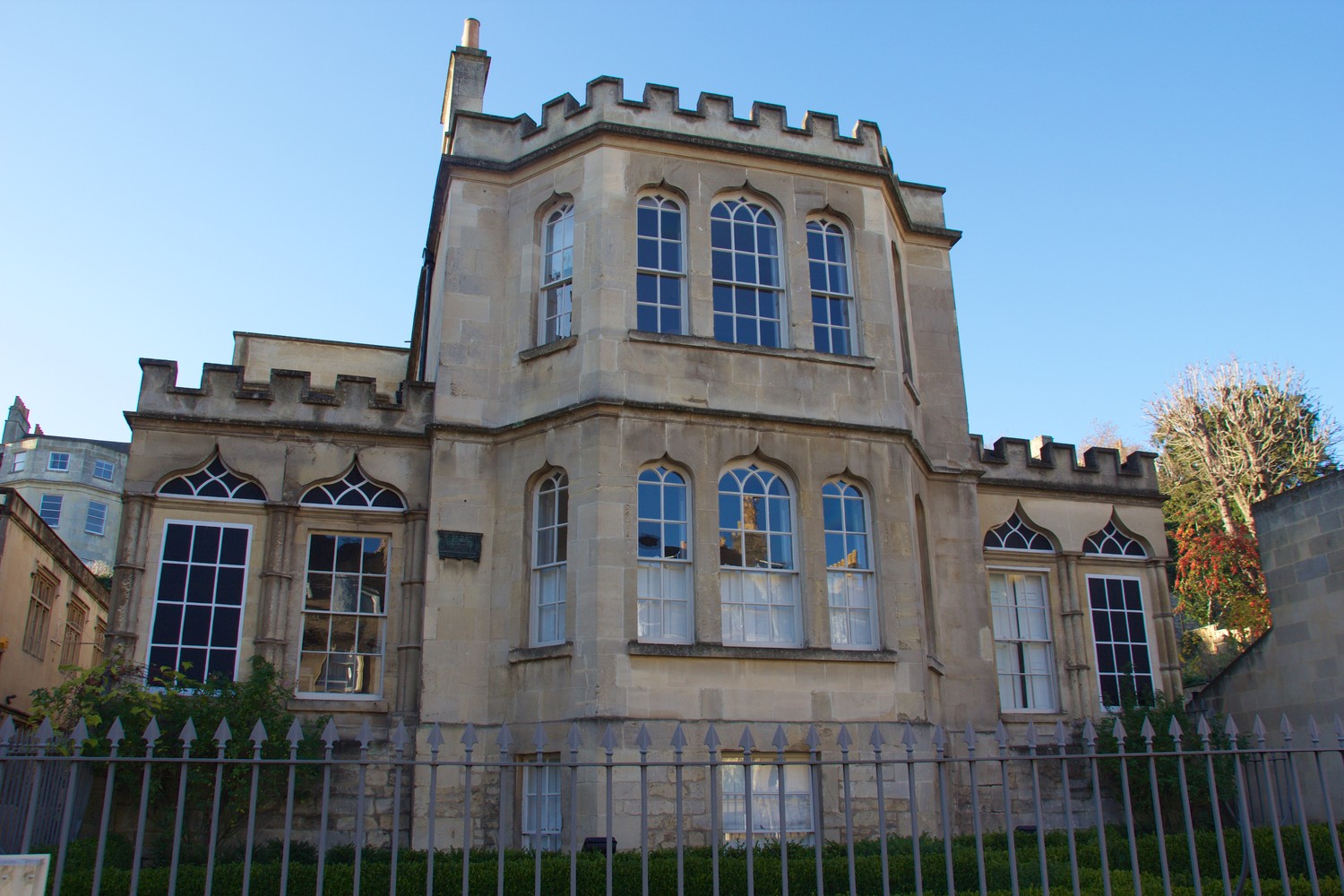
Embark on a journey back to the splendor of Georgian England with a visit to The Building of Bath Architecture, nestled within the historic Countess of Huntingdon’s Chapel – a Grade II* listed edifice that breathes history itself. More than just bricks and mortar, this museum offers an immersive experience into the transformative period when Bath ascended as Britain's premier spa town and architectural masterpiece.
Georgian Architecture:
The museum’s core focus lies in deciphering the stylistic nuances of Georgian architecture (1714-1830). Experts delve into techniques like ashlar dressing – meticulously honed limestone blocks – and intricate plasterwork, revealing a dedication to precision and beauty that continues to inspire designers today. These elements exemplify the era's pursuit of symmetry, proportion, and refined ornamentation, mirroring the aspirations of its patrons—aristocrats and industrialists alike—who sought to establish Bath as a symbol of sophistication and refinement.
City Planning & Construction:
Witness the meticulous planning of Bath’s urban landscape. Original maps and architectural plans illuminate how squares were deliberately positioned to maximize sunlight and ventilation, creating spaces designed for social interaction and aesthetic delight. The planners envisioned Bath as a harmonious blend of grandeur and tranquility, prioritizing both visual appeal and practical comfort—a testament to the Enlightenment's influence on urban design principles. Consider the impact of the extensive stone quarries surrounding Bath; their output provided the essential materials for constructing these monumental structures and shaping the city’s distinctive character.
-
Collection Highlights:
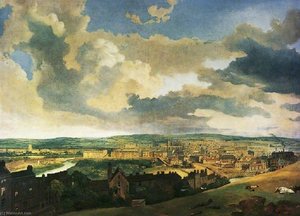
Don't miss ‘Panorama of Bath’ by Joseph William Allen (1833), a breathtaking watercolor capturing the city’s skyline with remarkable accuracy. Its vibrant hues and masterful brushstrokes offer a captivating glimpse into Georgian life, reflecting the optimism and artistic fervor of the time.
-
Further Explorations:
Alongside Allen’s panorama, discover ‘A Quiet Corner of Bath’ by Eric A Quinn – a serene depiction reflecting the tranquility sought after in Georgian residences. And delve into ‘Landscape with Cattle and Figures’ by Philip James de Loutherbourg—a panoramic view showcasing the rural surroundings that complemented Bath’s urban grandeur.
The museum’s unique setting within the Chapel underscores its connection to Bath’s heritage. Originally consecrated as Trinity Presbyterian Church in 1765, the building itself embodies the spirit of Georgian design—a harmonious blend of classical influences and local materials. The Bath Buildings Record and Coard Collection provides invaluable insight into the architectural history of the region, demonstrating a commitment to preserving both artistic achievement and historical context.
What distinguishes The Building of Bath Architecture is its dedication to conveying not merely *what* was built but *how*.
Visitors gain a profound understanding of the artistry, innovation, and social context that defined Georgian Bath. It’s an experience designed for art enthusiasts, collectors seeking inspiration, and interior designers striving to recapture the elegance and sophistication of this unforgettable period—a legacy that continues to resonate within the city's architectural fabric today.