A Beacon of Knowledge: Exploring Keio University Library’s Legacy
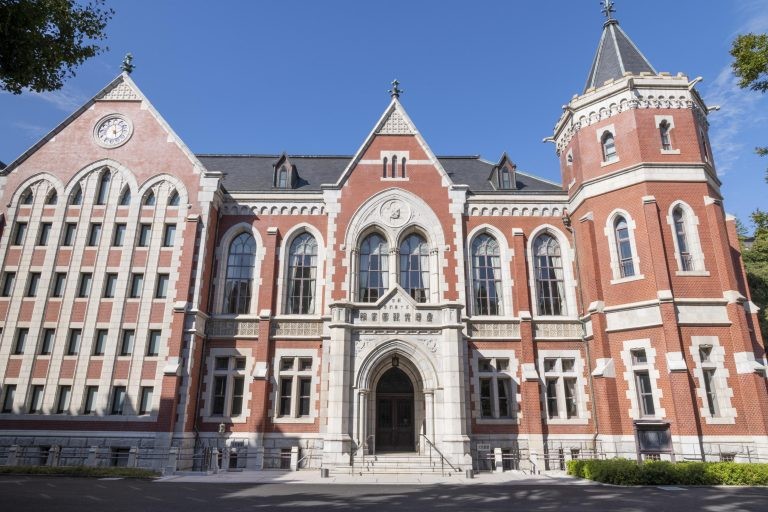
Nestled in the heart of Tokyo, Keio University Library isn't merely a repository of books; it’s a living testament to Japan’s intellectual heritage and architectural ambition. Established in 1912 as a commemoration of Keio University’s fiftieth anniversary, this Gothic masterpiece embodies the spirit of progressivism alongside deep respect for tradition—a duality that continues to resonate within its walls today. Designed by Sone Tatsuzo and Chujo Seiichiro, the building itself speaks volumes about its era, reflecting the influence of European Beaux Arts principles while firmly rooted in Japanese craftsmanship. Its meticulous restoration following the devastating Great Kanto Earthquake underscores a commitment to safeguarding cultural treasures for generations to come.
-
Architectural Marvel:
The Library’s Gothic Revival style is characterized by soaring arches, stained glass windows depicting scenes from Keio University's history, and intricate stone carvings—elements that convey grandeur and scholarly contemplation. These architectural features stand as a symbol of the university’s aspirations for excellence and intellectual advancement during its formative years.
-
A Response to Resilience:
Remarkably, the library survived both wartime bombings and subsequent seismic tremors thanks to a comprehensive reconstruction effort. This dedication to safeguarding its structure symbolizes Japan’s determination to rebuild after adversity and honor its past—a narrative deeply intertwined with Keio University's identity.
Treasures Within Its Walls: Collection Highlights
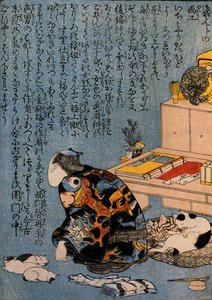
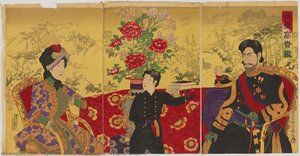
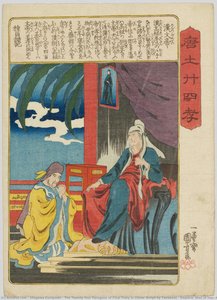
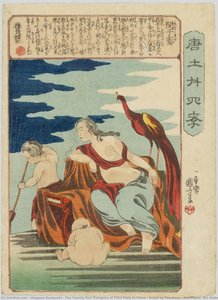
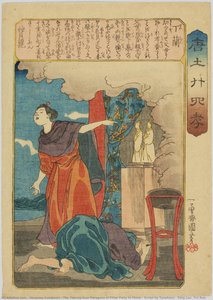
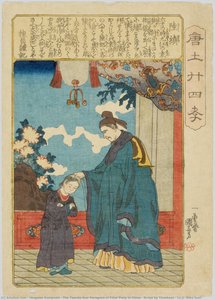
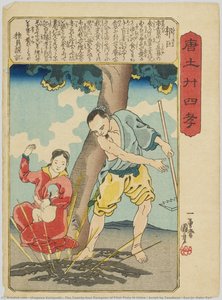
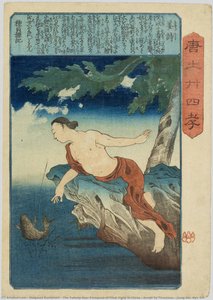
The true splendor of Keio University Library lies in its extraordinary collection, which distinguishes it from countless other academic institutions. Primarily focused on rare books—including a breathtaking Gutenberg Bible—the library’s holdings offer unparalleled access to early printing history and illuminate the intellectual currents of the Renaissance. These volumes represent not only invaluable sources of information but also tangible links to Europe's cultural transformation during this pivotal period. Equally captivating are its extensive collections of ukiyo-e prints by masters like Hiroshige and Hokusai, showcasing the vibrant artistry and cultural significance of Edo-period Japan. These prints capture landscapes, urban life, and mythological narratives with exquisite detail—a testament to Japanese artistic skill and a window into the aesthetic sensibilities of its time. Beyond visual art, the library houses invaluable historical manuscripts that provide firsthand accounts of pivotal moments in Japanese history. Letters penned by influential figures such as Fukuzawa Yukichi offer insights into philosophical debates and societal transformations, enriching our understanding of Japan’s formative years.
Historical Manuscripts:
These documents—ranging from diplomatic correspondence to personal diaries—provide intimate glimpses into the lives and ideas of prominent individuals who shaped Japan's trajectory. Examining these manuscripts allows researchers to reconstruct historical narratives with nuance and depth.
The Fukuzawa Yukichi Memorial Keio History Museum
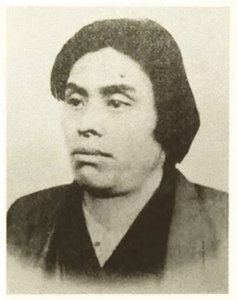
Situated on the second floor, this museum celebrates the legacy of Fukuzawa Yukichi—a towering figure in Japanese intellectual history who championed liberal thought and education. His unwavering belief in the importance of critical inquiry and his commitment to fostering a vibrant public discourse continue to inspire scholars today. The museum’s exhibits delve into Yukichi’s life and work, examining his contributions to philosophy, journalism, and educational reform—a testament to Keio University's role as a catalyst for social change and its enduring commitment to intellectual freedom. Visitors gain a deeper appreciation for Yukichi’s influence on Japanese culture and thought, solidifying Keio University’s position as a beacon of progressive ideals.
Educational Significance:
The museum underscores the university’s dedication to cultivating informed citizens—individuals capable of engaging in reasoned debate and contributing meaningfully to society.
Digital Preservation: Bridging Tradition and Innovation
Recognizing the importance of accessibility in preserving cultural heritage, Keio University Library has embarked on ambitious digitization initiatives. These efforts ensure that its priceless collections—from rare books to ukiyo-e prints—can be enjoyed by scholars worldwide and inspire future generations of art enthusiasts. Furthermore, collaborations with institutions like Osaka University and Tokyo University demonstrate a commitment to fostering interdisciplinary research and disseminating knowledge beyond the university campus. The digitization project has transformed access to Keio’s heritage, making it available to researchers across continents and bolstering its reputation as a leader in cultural preservation.
Global Reach:
By leveraging online platforms like Hathi Trust and collaborating with international partners, Keio University Library expands its influence beyond Japan's borders—promoting scholarly exchange and fostering a shared appreciation for artistic masterpieces.
A Unique Vision for Cultural Engagement
Unlike many academic libraries that prioritize scholarly pursuits above all else, Keio University Library actively engages with the public through exhibitions and educational programs. This holistic approach—combining meticulous scholarship with outreach activities—solidifies its position as a cornerstone of Japanese cultural heritage and exemplifies the transformative power of knowledge sharing. The library’s commitment to fostering dialogue between scholars and artists alike underscores its belief that creativity and intellectual rigor are essential for advancing human understanding.
Community Involvement:
Through initiatives aimed at promoting literacy and supporting artistic endeavors, Keio University Library strengthens ties with its surrounding community—demonstrating a dedication to enriching lives beyond the confines of academia.