
Louisiana Museum of Modern Art: A Sanctuary of Art and Light
Nestled on the dramatic coastline of Humlebæk, Denmark, where the Øresund Strait meets the sky, lies Louisiana Museum of Modern Art – a place that transcends the conventional museum experience. More than just a repository for masterpieces, Louisiana is an immersive journey into the heart of modern and contemporary art, seamlessly interwoven with breathtaking architecture and the serene beauty of the Nordic landscape. Founded in 1958, the story of Louisiana begins not with grand artistic ambitions, but with a private estate named by its owner, Isidor Henkel, after Queen Louise of Sweden. It was Knud W. Jensen, the museum’s visionary first director, who transformed this idyllic setting into Scandinavia’s most visited art destination, attracting over 700,000 visitors each year. Jensen understood that true artistic appreciation flourishes not within sterile walls, but in dialogue with nature and a contemplative atmosphere – a principle that continues to define Louisiana today. The museum’s evolution has been guided by successive directors like Poul Erik Tøjner, who have skillfully expanded the collection and refined its international standing.A Collection Echoing the 20th and 21st Centuries
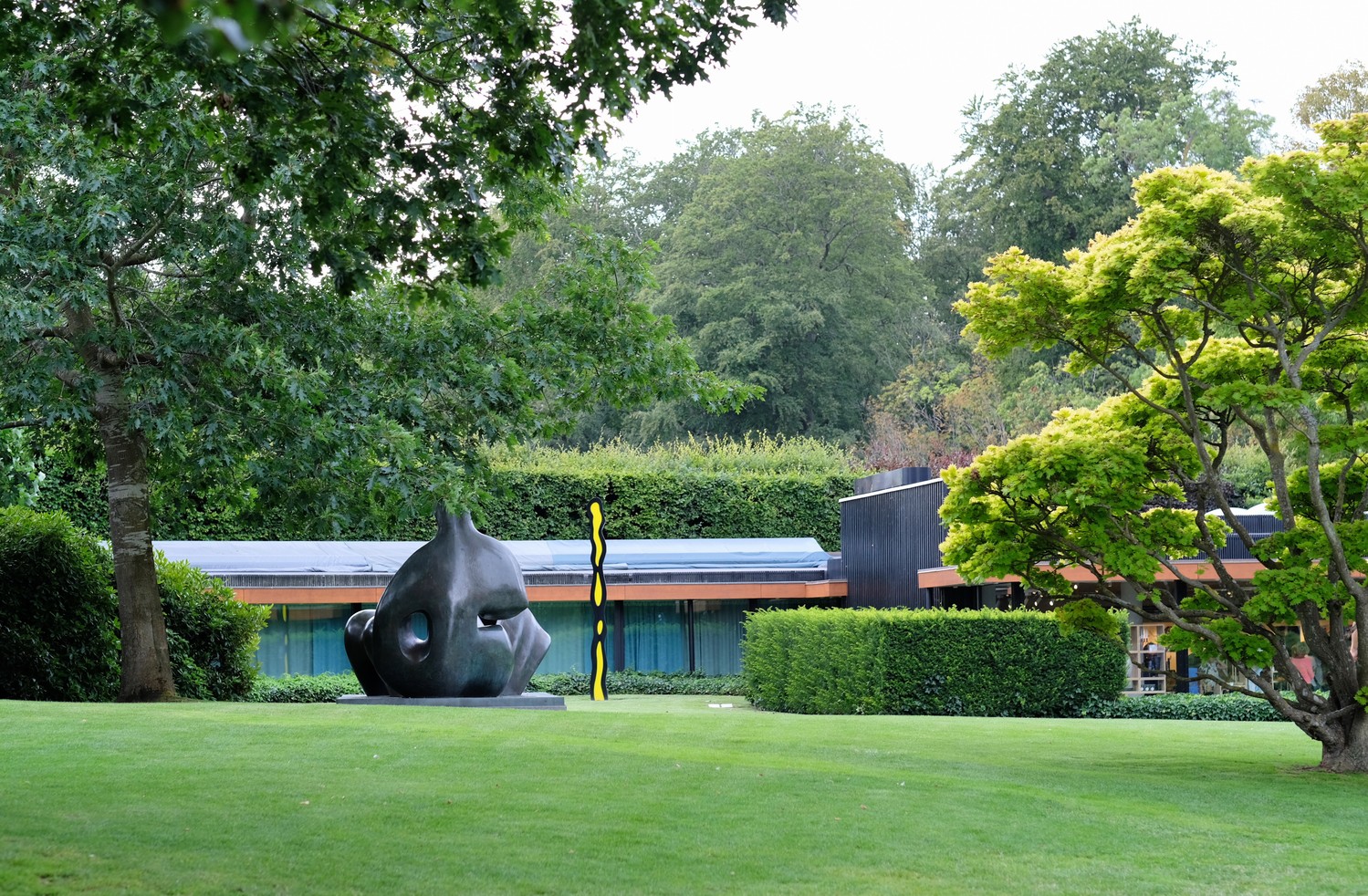
The core of Louisiana’s appeal resides in its remarkable collection, a vibrant tapestry woven from the threads of modern and contemporary artistic expression. With over 3,500 works encompassing painting, sculpture, photography, and installation art, the museum offers a comprehensive overview of movements from the mid-20th century to the present day. Visitors will encounter iconic pieces by masters such as Pablo Picasso, whose revolutionary approach reshaped our understanding of form and perspective; Andy Warhol, the pop art icon who blurred the lines between high and low culture; and Louise Bourgeois, whose emotionally charged sculptures delve into themes of memory, trauma, and femininity. The playful energy of Roy Lichtenstein’s comic-inspired paintings contrasts beautifully with the abstract elegance of Yves Klein’s monochrome canvases, while the kinetic sculptures of Alexander Calder seem to dance in harmony with the sea breeze. Henry Moore’s monumental forms find a natural resonance within the sculpture park, their organic shapes echoing the curves of the coastline. However, Louisiana is not merely a showcase for established names; it actively champions emerging artists and fosters dialogue around contemporary issues. A permanent highlight that embodies this spirit is Yayoi Kusama's *Gleaming Lights of the Souls*, an immersive mirrored installation that transports visitors into a mesmerizing realm of infinite reflections – a truly unforgettable sensory experience.Architecture as an Extension of Art
The museum building itself is a masterpiece, designed by Jørgen Bo and Vilhelm Wohlert. It’s not simply a container for art; it *is* art. The architects intentionally blurred the boundaries between interior and exterior spaces, creating a fluid architectural landscape that invites exploration and contemplation. Galleries are connected by luminous corridors offering breathtaking panoramic views of the Øresund sea, ensuring that nature is always present, influencing the perception of the artwork within. The thoughtful arrangement of spaces encourages a slow, deliberate pace, allowing visitors to fully engage with each piece. Natural light floods the galleries, enhancing the colors and textures of the artworks, while carefully positioned windows frame the landscape like living paintings. The building’s modernist aesthetic – clean lines, open spaces, and an emphasis on functionality – perfectly complements the art it houses, creating a harmonious synergy between form and content. Louisiana's design reflects its core mission: to foster dialogue between art and nature. The sculptural park, sprawling across the grounds, is conceived as an extension of the museum’s interior spaces, inviting visitors to wander among monumental sculptures against the backdrop of the sea, while the carefully landscaped gardens provide moments of quiet contemplation. This deliberate juxtaposition underscores Louisiana's belief that artistic inspiration flourishes in environments where beauty and tranquility converge. ### History and Foundation The story of Louisiana begins not with grand artistic ambitions, but with a private estate named by its owner, Isidor Henkel, after Queen Louise of Sweden. Recognizing the potential for creating a space dedicated to fostering creativity and appreciation for art, Henkel envisioned Louisiana as more than just a collection of masterpieces; it was intended to be a living laboratory where visitors could engage in dialogue with both art and the natural world. Knud W. Jensen, the museum’s visionary first director, transformed this idyllic setting into Scandinavia's most visited art destination, attracting over 700,000 visitors each year. Jensen understood that true artistic appreciation flourishes not within sterile walls, but in dialogue with nature and a contemplative atmosphere — a principle that continues to define Louisiana today. Louisiana’s evolution has been guided by successive directors like Poul Erik Tøjner, who skillfully expanded the collection and refined its international standing. From its inception, Louisiana prioritized accessibility and engagement, welcoming visitors of all ages and backgrounds. The museum's commitment to fostering intellectual curiosity and promoting artistic dialogue remains steadfast—a testament to Jensen’s enduring vision.A Sanctuary of Art and Light: Discovering Louisiana
Nestled on the dramatic coastline of Humlebæk, Denmark, where the Øresund Strait meets the sky, lies Louisiana Museum of Modern Art – a place that transcends the conventional museum experience. More than just a repository for masterpieces, Louisiana is an immersive journey into the heart of modern and contemporary art, seamlessly interwoven with breathtaking architecture and the serene beauty of the Nordic landscape. Founded in 1958, the story of Louisiana begins not with grand artistic ambitions, but with a private estate named by its owner, Isidor Henkel, after Queen Louise of Sweden. It was Knud W. Jensen, the museum’s visionary first director, who transformed this idyllic setting into Scandinavia's most visited art destination, attracting over 700,000 visitors each year. Jensen understood that true artistic appreciation flourishes not within sterile walls, but in dialogue with nature and a contemplative atmosphere – a principle that continues to define Louisiana today.- Location: Situated by the Øresund coast in the North Zeeland region, some 30 km (19 mi) north of central Copenhagen and 10 km (6 mi) south of Elsinore. From the regional train station in Humlebæk, it takes 10–15 minutes to walk to the museum.
- Architecture: The museum building itself is a masterpiece, designed by Jørgen Bo and Vilhelm Wohlert. It’s not simply a container for art; it *is* art. The architects intentionally blurred the boundaries between interior and exterior spaces, creating a fluid architectural landscape that invites exploration and contemplation. Galleries are connected by luminous corridors offering breathtaking panoramic views of the Øresund sea, ensuring that nature is always present, influencing the perception of the artwork within.
- History: The museum’s story began with Isidor Henkel, who named his estate “Louisiana” in honor of Queen Louise of Sweden. Knud W. Jensen, the museum’s visionary first director, transformed this idyllic setting into Scandinavia's most visited art destination, attracting over 700,000 visitors each year.
- Collection Highlights: Louisiana boasts an impressive collection encompassing painting, sculpture, photography and installation art. Among its treasures are masterpieces by Pablo Picasso, Andy Warhol, Louise Bourgeois, Roy Lichtenstein, Yves Klein, Alexander Calder and Henry Moore. The centerpiece is Yayoi Kusama’s *Gleaming Lights of the Souls*, an immersive mirrored installation that transports visitors into a mesmerizing realm of infinite reflections – a truly unforgettable sensory experience.
- Unique Aspect: Louisiana distinguishes itself not only through its collection and architecture but also through its commitment to providing a holistic cultural experience. The museum’s shop showcases Danish design items, the café overlooks the Øresund sea, and the Children's Wing hosts daily workshops fostering creativity in young minds.