

A Journey Through Time: The Musée d'Art et d’Histoire, Metz
Nestled within the remarkably preserved Petites Carmes Abbey in the heart of Metz, France, the Musée d’Art et d’Histoire offers a profoundly immersive experience—a tangible connection to over two millennia of artistic and cultural evolution. More than simply a repository of artifacts, it's a living testament to the city’s layered past, seamlessly blending Roman grandeur with medieval spirituality, Renaissance elegance, and the vibrant energy of modern art. The museum’s unique architecture, born from the integration of historic structures with contemporary exhibition spaces, immediately establishes an atmosphere of captivating juxtaposition – a deliberate conversation between eras that sets the stage for a truly remarkable exploration.
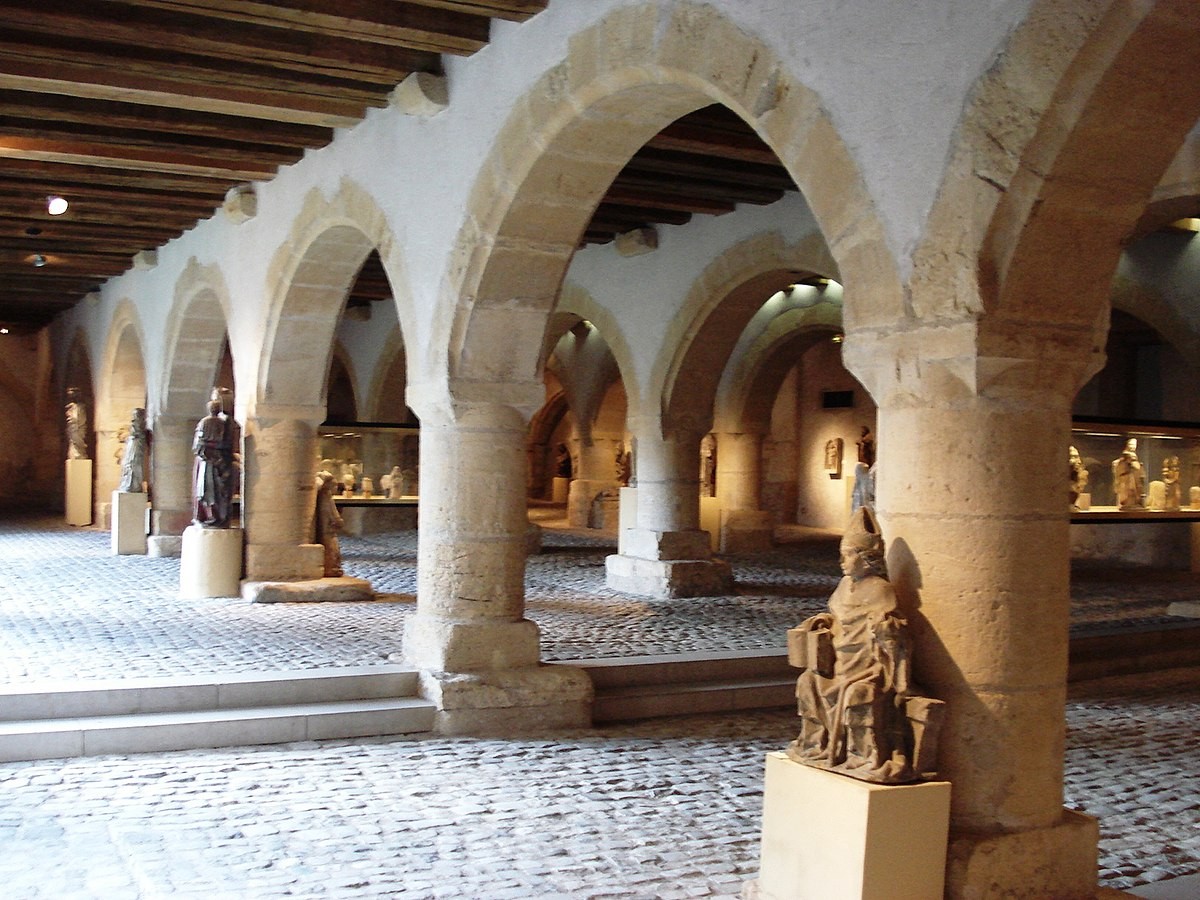
The museum's narrative unfolds across several distinct yet interconnected sections. A cornerstone of the collection is its exceptional Gallo-Roman heritage, vividly brought to life by the remarkably preserved Mithra altar housed within the abbey’s ancient foundations. This evocative piece offers an intimate glimpse into the rituals and beliefs of this enigmatic cult, providing a crucial window into Metz's Roman identity. Beyond this singular treasure, visitors can trace the city’s evolution through meticulously curated displays showcasing everyday life during that period – pottery shards, tools, and architectural fragments all whispering tales of a thriving urban center. Moving forward in time, the museum then delves into the rich tapestry of medieval art and treasures, featuring stunning sculptures, intricate religious objects, and decorative arts reflecting the profound spiritual life of Lorraine during this transformative era. The craftsmanship displayed is breathtaking, showcasing the skill and devotion of artisans working within a deeply symbolic framework.
Fine Arts & Architectural Echoes
The museum’s collection of fine art expands beyond its medieval roots, encompassing paintings, drawings, and sculptures spanning various periods. A particular focus lies in celebrating local artists, with Émile Friant standing as a prominent figure whose works exemplify the artistic spirit of the region. His evocative landscapes capture the essence of Lorraine's rolling hills and picturesque villages, offering a poignant reflection on the beauty of the natural world. However, the museum’s strength isn’t solely defined by individual masters; it’s the *dialogue* between styles and movements that truly captivates. Alongside these established pieces, visitors will encounter examples of 19th-century lithographs by François-Joseph-Aimé Georges de Lemud, whose bold lines and vibrant colors offer a captivating portrayal of everyday life in Lorraine – a testament to the enduring appeal of capturing the human experience through art. Furthermore, architectural exhibits provide invaluable insights into Metz’s building history, showcasing models, plans, and historical documents that illuminate the city's diverse architectural styles, from Romanesque foundations to Baroque flourishes.
A Unique Integrated Complex
What truly distinguishes the Musée d’Art et d’Histoire is its unique integrated complex. It isn’t merely *located* within a historic building; it’s inextricably woven into the very fabric of the Petites Carmes Abbey, creating an unparalleled sense of place and historical context. The abbey itself, dating back to the 17th century and representing a beautiful example of Baroque architecture, provides a stunning backdrop for the museum's exhibits. This deliberate blending of past and present—the ancient stones alongside modern exhibition spaces—is not simply aesthetic; it’s a powerful statement about Metz’s enduring legacy and its ability to embrace both tradition and innovation. The careful preservation of the abbey’s original features, combined with thoughtfully designed contemporary galleries, creates an atmosphere that is both reverent and stimulating.
History and Architectural Significance
The Petites Carmes Abbey, a masterpiece of Baroque architecture completed in 1673, serves as more than just a building; it’s a historical landmark. Its intricate façade, adorned with sculpted details and elaborate ornamentation, reflects the grandeur of the Bourbon era. The museum's integration within this historic complex offers visitors a tangible connection to Metz’s past, allowing them to wander through centuries-old corridors and marvel at the craftsmanship of generations gone by. The abbey’s original monastic cells have been carefully preserved, providing a glimpse into the daily lives of the Carmelite friars who once resided there. Furthermore, the museum's architectural exhibits delve into the evolution of Metz’s urban landscape, showcasing models and plans that illustrate the city’s growth and transformation over time. The juxtaposition of Romanesque foundations with later Baroque additions creates a fascinating visual narrative—a testament to Metz’s enduring resilience and adaptability.
Contemporary Connections & Future Exhibitions
The Musée d’Art et d’Histoire continues to evolve, embracing contemporary artistic practices. The recent addition of a dedicated space for exploring the work of Annette Messager, as part of the Centre Pompidou-Metz partnership, exemplifies this commitment to showcasing innovative and thought-provoking art. Keep an eye on the museum's website (https://musee.metzmetropole.fr/en/) for announcements about upcoming exhibitions and events, ensuring that your visit remains a vibrant and engaging experience. The museum’s dedication to preserving and presenting Metz’s rich cultural heritage guarantees its continued importance as a vital center of art and history.