Índice de contenidos
Información esencial
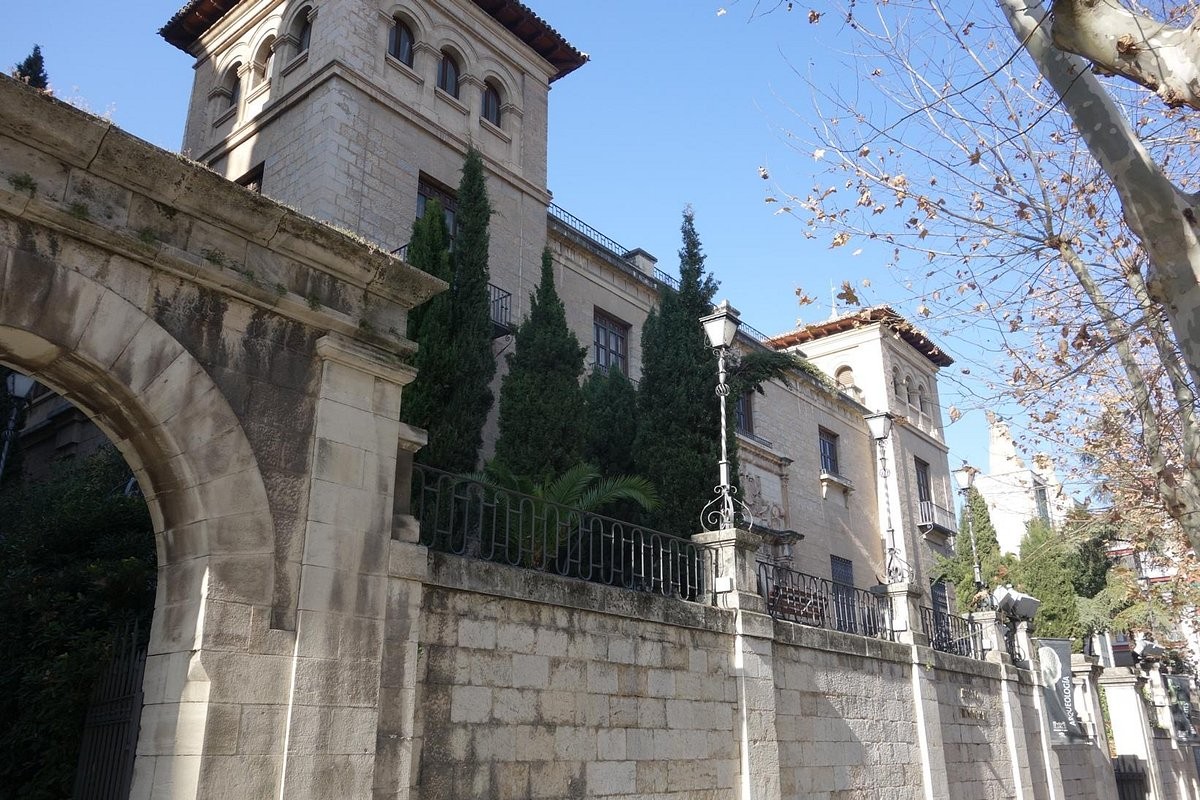
- Location: Jaén, España
- Alternate names:
- Museo de Jaén
- Museum of Jaén
- Museo Provincial de Jaén
- Jaén Museum
- Works on APS: 4
- Featured artists:
- vicente palmaroli y gonzalez
- Sebastián Martínez Domedel
- Cristobal Ruiz Pulido
- Manuel Revuelta Ortiz De Zárate Pinto
Artistas en la colección
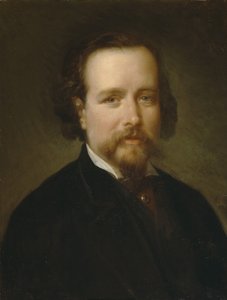
Vicente Palmaroli Y González
Pintor del realismo español conocido por Lovesick. Descubre hoy el encanto de sus detalladas escenas de género.

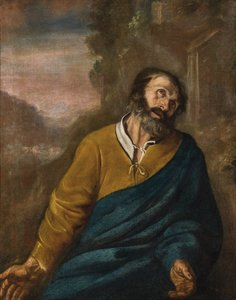
Sebastián Martínez Domedel
Descubre a Sebastián Martínez Domedel (1619-1667), pintor barroco español conocido por sus óleos sobre lienzo como 'Santa Catalina'. Explora su estilo único y su legado.

Cristóbal Ruiz Pulido
Explora los paisajes de Cristóbal Ruiz Pulido, maestro del realismo rural y la belleza árida. Descubre Arable Land y más.
Test de arte
Cada pregunta tiene una única respuesta correcta.
Pregunta 1:
¿Cuál es la característica distintiva del Museo de Jaén?
Pregunta 2:
¿En qué año se fundó originalmente el Museo de Jaén?
Pregunta 3:
¿Qué período artístico predomina en la colección del Museo de Jaén?
Pregunta 4:
¿Además de pinturas, qué tipo de artefactos históricos pueden encontrar los visitantes en el Museo de Jaén?
Artículos relacionados
Rafael de Penagos: A Study in Spanish Portraiture & Artistic Identity
Explore the life & art of Rafael de Penagos, a leading Spanish Art Deco illustrator. Discover his iconic 'Penagos Woman', commercial work, and lasting legacy. Learn about this pivotal figure in 20th-century Spanish art history.
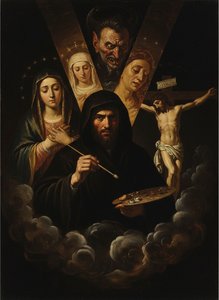
Mastering the Shadows: A Journey Through the Chiaroscuro and Soul of Iconic Spanish Painting
Embark on a sophisticated exploration of Spanish art history, from the chiaroscuro mastery of Velázquez to the profound shadows of Goya. Discover how the dramatic light and emotional depth of Spain's greatest masters continue to inspire collectors and connoisseurs today.
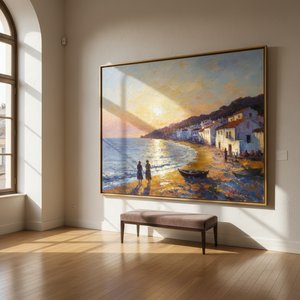
Manuel Benedito Vives: A Study of Light, Color & Emotional Resonance in Contemporary Spanish Painting
Explore the captivating world of Manuel Benedito Vives, a celebrated Spanish painter influenced by Sorolla. Discover his masterful portraits, luminous landscapes & enduring legacy – a favorite of the Spanish Royal Family. Art collectors will appreciate this in-depth study.
Lista de obras de arte
No se encontraron obras de arte.
© 2026 mus3ums.com