


Un Tesoro de Wiltshire: Descubriendo la Historia y el Arte en el Museo de Salisbury
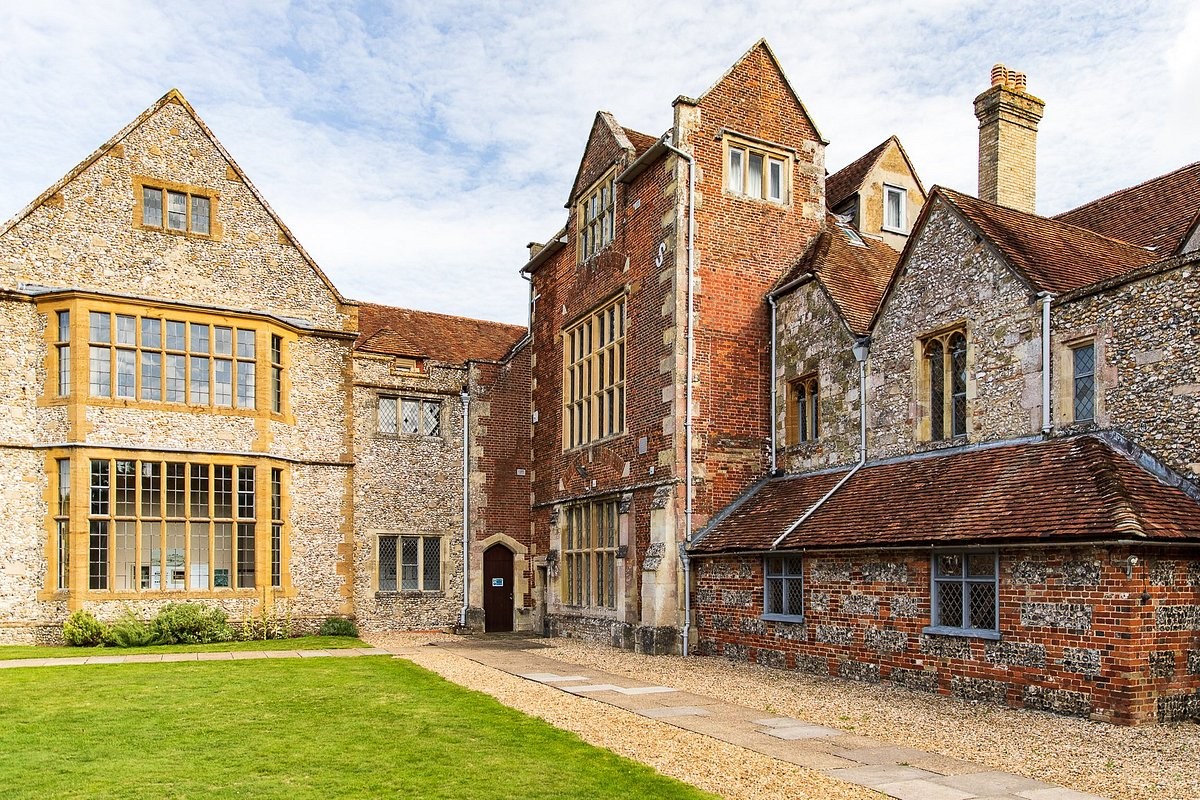
Enclavado en el corazón del histórico Cathedral Close de Salisbury, el Museo de South Wiltshire es mucho más que un simple museo; es una ventana al pasado, un homenaje a la creatividad local y un testimonio tangible de los secretos enterrados bajo las llanuras de Wiltshire. Desde sus orígenes como un espacio de entretenimiento para el Rey Jaime I hasta su actual rol como guardián de artefactos prehistóricos y obras maestras artísticas, este museo ofrece una experiencia inmersiva que cautiva a visitantes de todas las edades e intereses. La belleza del edificio en sí – King’s House, un testimonio de la arquitectura inglesa del siglo XVII – es solo el preludio a la riqueza cultural que alberga.
El núcleo del Museo de Salisbury reside en su excepcional colección dedicada a Stonehenge y al periodo prehistórico de Wiltshire. Aquí, los visitantes pueden sumergirse en las vidas de aquellos que construyeron este monumento icónico hace miles de años, examinando herramientas de piedra, fragmentos de cerámica y otros objetos que revelan sus rituales, creencias y habilidades técnicas. La colección no se limita a Stonehenge; explora la arqueología local, desde imponentes fortificaciones de la Edad del Hierro hasta los vestigios de asentamientos romanos, ofreciendo una visión completa de la evolución histórica de la región. Un punto culminante ineludible es la Wardour Hoard, un tesoro de artefactos de la Edad del Bronce y el Hierro que exhibe la destreza artesanal de las comunidades antiguas de Wiltshire.
La Arquitectura como Narrativa: King’s House
El edificio en sí mismo es una obra maestra arquitectónica. Originalmente concebido como un espacio de entretenimiento para el Rey Jaime I en 1610 y 1613, King’s House refleja la elegancia y el refinamiento del Renacimiento inglés. Sus ventanas con contrafuertes, sus techos ricamente decorados con yeso y su imponente escalera con barandilla de roble macizo son testimonio de la habilidad de los artesanos de la época. La mudanza del museo a este edificio histórico en 1981 no solo proporcionó un hogar adecuado para sus crecientes colecciones, sino que también elevó su estatus cultural, convirtiéndolo en un componente esencial del paisaje artístico y arquitectónico de Salisbury. La presencia de los símbolos heráldicos del Príncipe Heredero Jaime en una de las ventanas es un recordatorio tangible de la historia real que impregna cada piedra.
Un Legado Artístico: Maestros Británicos y Talentos Locales
El Museo de Salisbury alberga una colección notable de arte británico, que abarca desde los grandes maestros hasta artistas locales emergentes. Entre las figuras destacadas se encuentran John Constable, cuyo dominio del paisaje wiltshire capturó la esencia de la luz y el color; J.M.W. Turner, conocido por sus paisajes dramáticos y atmosféricos; Elisabeth Frink, cuya escultura exploraba temas de espiritualidad y humanidad; y Rex Whistler, cuyos murales vibrantes y surrealistas añadieron un toque de modernidad a la colección. Además, el museo se enorgullece de mostrar regularmente el trabajo de artistas locales, fomentando una conexión viva entre el pasado y el presente, y celebrando la diversidad creativa de la región de Wessex. La inclusión del meteorito de la Casa del Lago, un objeto extraordinario descubierto cerca de Lake House y preservado durante milenios, añade un elemento de asombro científico a esta colección artística.
Más Allá de los Objetos: Exposiciones Temporales y el Corazón de Wiltshire
Lo que realmente distingue al Museo de Salisbury es su enfoque inquebrantable en la historia y el arte de Wiltshire, particularmente su conexión con Stonehenge. El museo no se limita a exhibir artefactos; busca contar historias, conectar el pasado con el presente y fomentar una apreciación profunda por el patrimonio cultural de la región. Las exposiciones temporales, que cambian regularmente, aseguran que siempre haya algo nuevo para descubrir, mientras que el compromiso del museo con la promoción de artistas locales añade otra capa de profundidad y relevancia. Ya sea un apasionado de la arqueología, un amante del arte o simplemente curioso sobre el pasado de Wiltshire, el Museo de Salisbury ofrece un viaje cautivador a través del tiempo – una oportunidad única para sumergirse en las raíces culturales de esta fascinante región inglesa.
Planifique su visita hoy mismo y descubra los secretos que yacen ocultos bajo la superficie de Wiltshire. Visite Salisbury Museum