A Window into Europe’s Soul
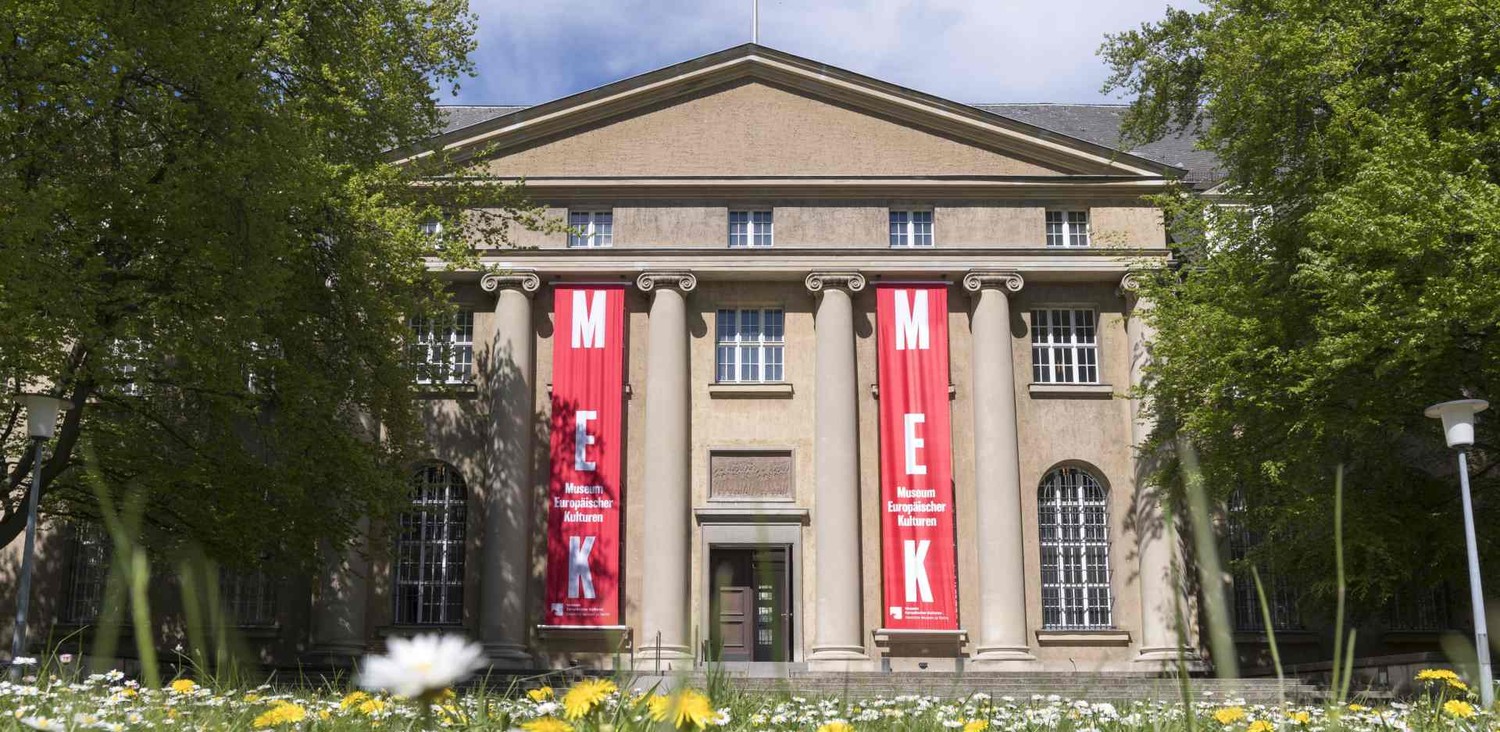
The Museum Europäischer Kulturen (MEK), nestled within the Dahlem Museums complex in Berlin's Steglitz-Zehlendorf district, isn’t merely a repository of artifacts; it’s an invitation to step back in time and experience the vibrant tapestry of European life from the 18th century to the present day. Founded as a merger of the Ethnological Museum and the Museum for Folklore in 1999, MEK distinguishes itself by prioritizing *lived experience* over grand narratives—a refreshing perspective that resonates deeply with anyone interested in understanding cultural heritage beyond royal courts and battlefield victories.
Collection Highlights:
Forget opulent palaces and heroic tales; here, you’ll discover the tangible details of daily existence – from intricately crafted textiles to humble domestic tools. The museum's impressive collection showcases European traditions, folklore, costumes, and handicrafts, offering invaluable insights into regional identities and cultural practices. Researchers and visitors alike are captivated by displays featuring everything from medieval illuminated manuscripts to contemporary installations exploring themes of migration and intercultural exchange. Particular attention is paid to the preservation of artisanal crafts—a testament to the enduring relevance of tradition and its role in shaping artistic expression.
Architectural Marvel:
MEK’s building stands as a beacon of New Objectivity architecture, designed by Bruno Paul (1874–1968), reflecting the intellectual ferment of its time. This bold departure from traditional styles—characterized by geometric forms and restrained ornamentation—creates a serene atmosphere ideal for contemplating art and culture. Situated within the Dahlem Museums complex, MEK benefits from proximity to Domäne Dahlem – a historic manor house and botanical garden that complements the museum’s mission of fostering appreciation for European heritage. The building itself serves as an emblem of Berlin's artistic legacy.
Historical Roots:
The museum’s origins trace back to the late 19th century, fueled by burgeoning interest in ethnology and folklore—disciplines dedicated to documenting cultural diversity across Europe. Early collections focused on preserving ethnographic specimens and fostering scholarly dialogue about cultural traditions. Subsequent expansions incorporated contributions from various institutions committed to safeguarding artistic heritage and promoting intercultural understanding. This lineage underscores MEK’s unwavering dedication to preserving traditions for future generations.
Notable Exhibitions:
Currently, MEK presents “ALL HANDS ON: Flechten,” a captivating exploration of basket weaving techniques across Europe—a testament to the enduring relevance of artisanal crafts and their role in shaping cultural identity. Visitors are drawn to interactive displays that illuminate the history and symbolism embedded within these seemingly simple objects. Furthermore, ongoing exhibitions delve into themes like “Holiday Under Franco” and “Textile Day”, showcasing artistic interpretations of European history and culture. These initiatives underscore MEK’s commitment to engaging audiences with challenging questions about cultural heritage and fostering critical reflection on societal narratives.
What Sets MEK Apart?:
Unlike museums focused on monumental achievements, MEK champions a humanist approach—celebrating the ordinary lives of Europeans who shaped their world. It’s a space where visitors can connect with art on an emotional level, fostering appreciation for cultural nuances and recognizing the importance of preserving traditions for future generations. With approximately 24,000 original objects spanning centuries of European history, MEK offers a truly immersive encounter with artistic heritage—a journey into the heart of what it means to be human across cultures.