



La Evolución de un Santuario Artístico
Enclavada en el verde y erudito abrazo de la Universidad de Cambridge, la institución anteriormente conocida como New Hall Art Collection ha experimentado una metamorfosis profunda, emergiendo hoy como The Women's Art Collection . Esto no es meramente un cambio de nomenclatura, sino una narrativa envolvente de expansión artística. Lo que comenzó como una exploración dedicada a la maestría de la cerámica británica ha florecido hasta convertirse en uno de los repositorios más significativos de arte moderno y contemporáneo realizado por mujeres en el mundo. Recorrer sus salas es ser testigo de una historia viva, donde la delicada y táctil herencia del pasado se encuentra con las voces audaces y provocadoras del presente. Para el coleccionación exigente o el diseñador de interiores en busca de inspiración, la colección ofrece un diálogo excepcional entre la estabilidad perdurable de la tradición y las corrientes vibrantes y siempre cambiantes de la expresión contemporánea.
Un Legado Escrito en Barro y Porcelana
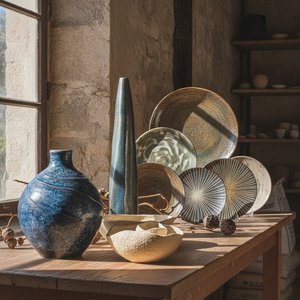
Antes de su expansión contemporánea, el corazón de la colección latía con la precisión rítmica de las artes decorativas británicas. Los cimientos del museo permanecen profundamente arraigados en la exquisita maestría de la porcelana Royal Worcester y la cerámica Wedgwood . Estas no son simples objetos de utilidad, sino obras maestras de textura y forma que continúan cautivando a quienes poseen un ojo atento al detalle fino. Uno podría perderse en los delicados motivos florales de Royal Worcester, donde técnicas magistrales de esmaltado crean una cualidad luminosa y etérea que ejemplifica la elegancia victoriana. En contraste, las piezas de Wedgwood ofrecen un estudio de sofisticación contenida; sus esculturas de gres y vajillas, adornadas con patrones geométricos y colores audaces y dominantes, demuestran los principios de diseño revolucionarios establecidos por Josiah Wedgwood I. Para quienes curan espacios definidos por la gracia clásica y la integridad estructural, estos tesoros cerámicos proporcionan un modelo de artesanía sin igual.
La Arquitectura como Lienzo para lo Contemporáneo
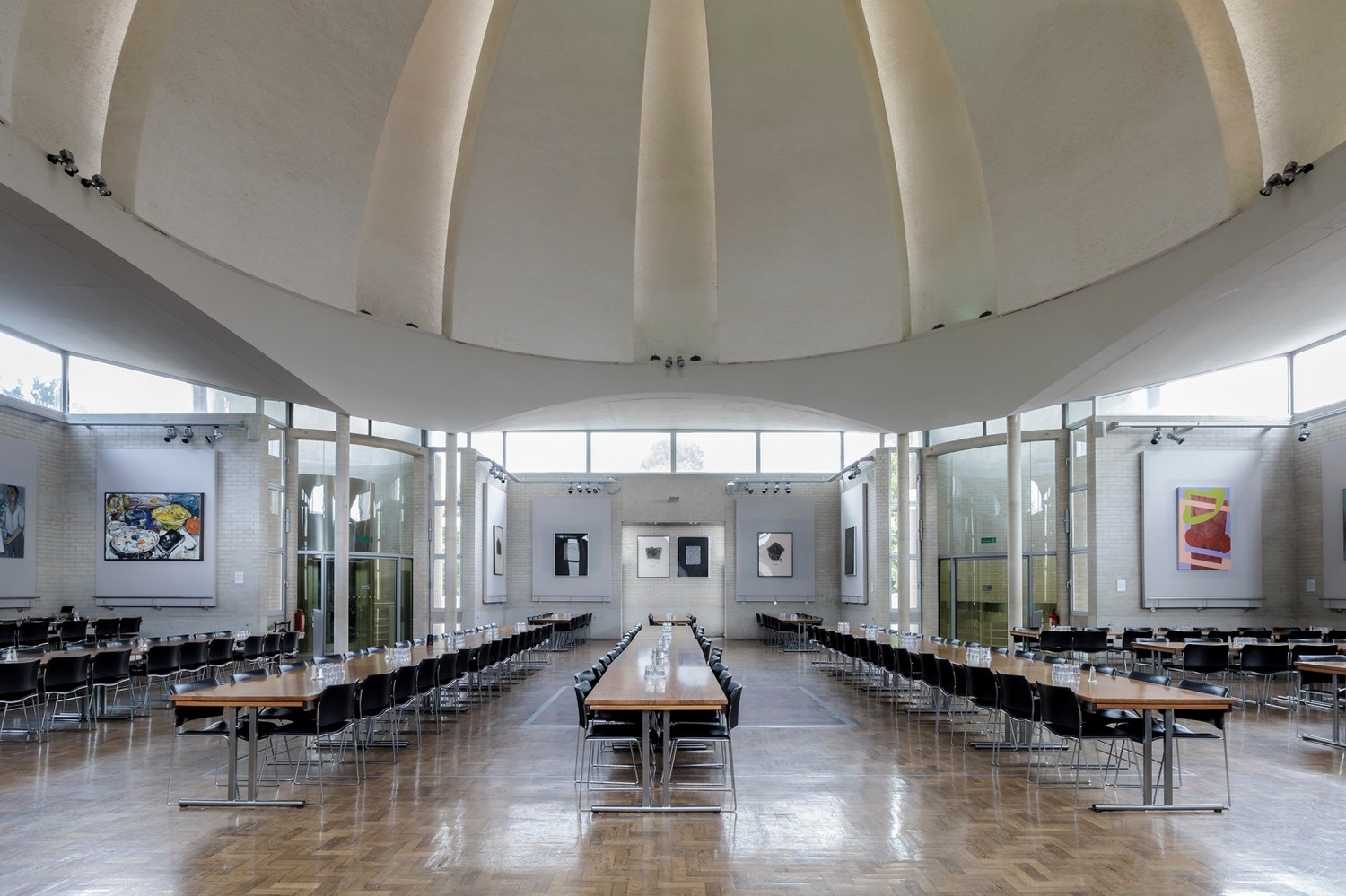
El entorno físico de la colección actúa como un protagonista silencioso en su historia. El paisaje arquitectónico del Murray Edwards College proporciona un telón de fondo impresionante donde el estilo Neogótico Victoriano se encuentra con las líneas limpias del modernismo. Los visitantes son recibidos por arcos imponentes y la suave luz filtrada de las vidrieras, elementos que evocan una sensación de profunda contemplación. Esta atmósfera histórica crea una yuxtaposación impactante cuando se combina con las adquisiciones más recientes de la colección: pinturas, grabados y esculturas poderosas de mujeres artistas de renombre internacional. La estructura misma del museo, incluyendo las adiciones modernistas de Chamberlain, Powell y Bon —clasificadas como Grade II*—, refleja el propio viaje de la colección desde las tradiciones ornamentales del siglo XIX hasta el espíritu de vanguardia de nuestros días.
Una Visión de Visibilidad y Vitalidad
Más allá de su belleza física, el museo cumple una misión cultural vital: defender a las artistas que se identifican como mujeres, brindándoles un escenario global y una voz permanente. Este compromiso se refleja en exposiciones recientes y estimulantes que tienden puentes entre los temas históricos y las sensibilidades modernas. Ya sea explorando las profundidades silenciosas e introspectivas de “The Sleepers” o rastreando linajes familiares a través de obras como “Relative Ties” , la colección continúa evolucionando mediante adquisiciones intencionadas y donaciones generosas. Sigue siendo un destino donde la historia no es estática, sino una entidad continua y palpitante; un lugar donde el legado de la cerámica británica y la vanguardia del arte femenino contemporáneo convergen para inspirar a la próxima generación de pensadores estéticos.