

Una ventana al alma de Nottinghamshire
Adentrarse en los Nottinghamshire Archives es cruzar un umbral entre el ritmo frenético de la Nottingham moderna y un santuario profundo y silencioso donde el tiempo mismo parece detenerse. Situada en el corazón de la ciudad, esta institución es mucho más que un mero repositorio de papel y tinta; es un testimonio vivo y palpitante del poder perdurable de la narrativa humana. Los archivos actúan como un recipiente para la memoria colectiva del condado, preservando los delicados hilos de identidad que se han tejido a través de siglos de lucha, triunfo y existencia cotidiana. Para el amante del arte o el historiador, la colección ofrece una intimidad sin igual, permitiendo tocar el pulso mismo de la evolución de Nottinghamshire.
La verdadera magia de los archivos reside en su notable ensamblaje de materiales, donde cada documento sirve como una pincelada en un retrato histórico mucho más amplio. Dentro de estos muros, uno puede encontrarse con la meticulosa caligrafía de las cartas medievales, que detallan antiguas disputas de tierras con una gravedad que trasciende el tiempo, o tropezar con la conmovedora correspondencia manuscrita de los ciudadanos victorianos, que ofrece una ventana a los paisajes emocionales de una era pasada. Para aquellos atraídos por el linaje de personas y lugares, los registros parroquiales se erigen como una mina de oro genealógica, proporcionando los detalles precisos necesarios para reconstruir historias familiares con una exactitud asombrosa. Esta colección no trata simplemente de hechos; trata sobre las texturas de la vida: el aroma del pergamino envejecido y el peso de los legados preservados contra la erosión del olvido.
Reverencia arquitectónica y viajes curados
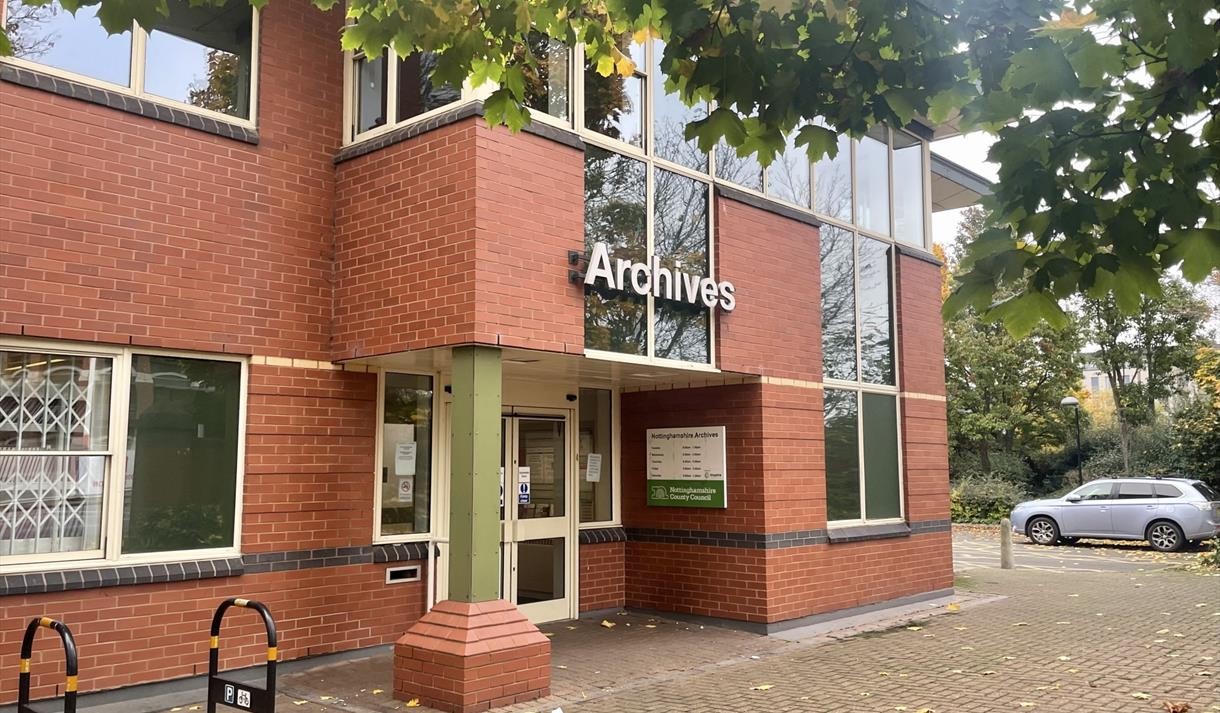
La arquitectura de los archivos realza aún más este sentido de reverencia académica. Reflejando las sensibilidades estéticas de la era tardovictoriana, el edificio presenta una elegancia sobria que invita a la contemplación tranquila. Su sólida ladrillería y sus techos elevados están diseñados para inspirar asombro, creando una atmósfera donde la grandeza del pasado se siente físicamente presente. Este legado arquitectónico proporciona un escenario digno para el contexto histórico de la región, desde los primeros asentamientos romanos hasta los momentos cruciales de la conquista normanda. Uno no puede evitar sentir los ecos de la historia en sus pasillos, de forma muy similar a como “View from Nottingham Castle” de John Rawson Walker captura la grandeza atmosférica del paisaje a través de una lente romántica.
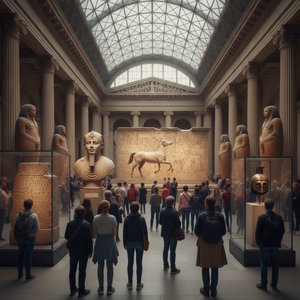
Más allá de sus fondos permanentes, los archivos albergan con frecuencia exposiciones que iluminan facetas específicas y vibrantes del patrimonio local. Estos viajes curados han explorado desde el ingenio industrial de la industria del encaje de Nottingham, reconocida mundialmente, hasta los complejos y cambiantes paisajes culturales moldeados por la migración. Tales exhibiciones transforman el archivo de una bóveda estática en un catalizador cultural dinámico. Ya sea explorando la serena nostalgia rural que se encuentra en “Windmills on Nottingham Forest” de Henry Smyth o la belleza natural panorámica representada en “Nottingham Meadows from the Rock Cliff” de Richard Parkes Bonington, los archivos proporcionan el contexto esencial que insufla vida a estas visiones artísticas. Es esta capacidad única de tender un puente entre el registro histórico tangible y el poder evocador del arte lo que convierte a los Nottinghamshire Archives en un destino indispensable para cualquier buscador de la verdad y la belleza.