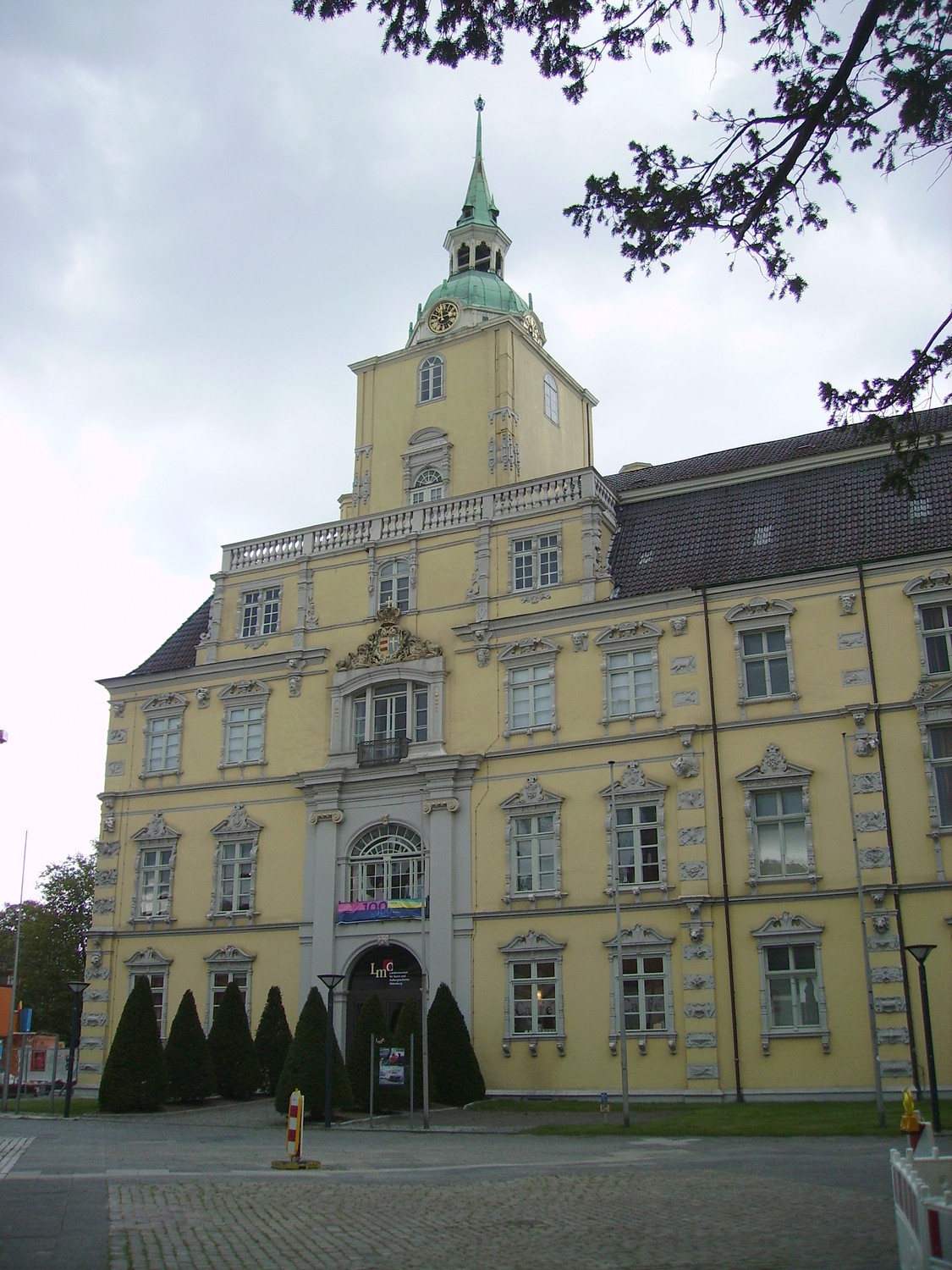
Museo Estatal de Oldenburg para Arte e Historia Cultural

Información esencial

  • Featured artists:
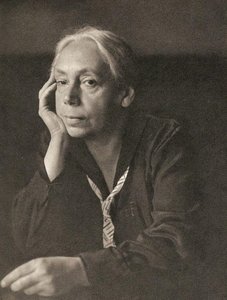
    • Käthe Kollwitz
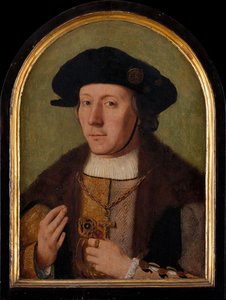
    • Quentin Massys
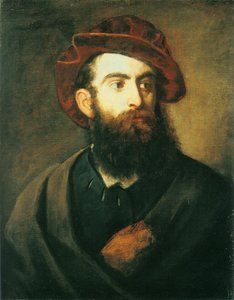
    • Hans Makart
    • Jean-Baptiste Pigalle
    • clara henriette sophie westhoff
  • Works on APS: 11
  • Alternate names:
    • Landesmuseum für Kunst und Kulturgeschichte
    • Museo Estatal de Oldenburg
    • LMU Oldenburg
  • Location: Oldenburg, Alemania

A Legacy Etched in Stone and Canvas: Exploring the Oldenburg State Museum

The city of Oldenburg, steeped in North German history, cradles a cultural treasure within its heart – the Oldenburg State Museum for Art and Cultural History. More than just a repository of artifacts and artworks, this institution is a living narrative, woven through centuries of dynastic power, artistic innovation, and regional identity. Established in 1919 from the collections dispersed after the abdication of the Grand Duke, the museum’s very foundation speaks to a period of profound change and renewal, a spirit that continues to resonate within its walls today. The museum isn't confined to a single structure; instead, it unfolds across three magnificent buildings – Schloss Oldenburg, the Augusteum, and the Prinzenpalais – each contributing a unique chapter to the overall story. To wander through these spaces is to traverse time itself, experiencing the evolution of architectural styles from medieval fortifications to Renaissance elegance and neoclassical grandeur.

Schloss Oldenburg: A Fortress Transformed into Royal Residence

Originally constructed around 1100 as a defensive stronghold for the Counts of Oldenburg, Schloss Oldenburg stands as a powerful testament to the city’s origins. Its imposing walls and towers bear witness to centuries of turbulent history – sieges, battles, and shifting alliances shaping its appearance and safeguarding its treasures. Over time, it gradually transformed into an opulent residence reflecting the changing fortunes and tastes of its inhabitants, mirroring the ascent of the House of Oldenburg to European royalty. Today, visitors can explore ornately decorated staterooms offering glimpses into ducal life, furnished with exquisite textiles and adorned with portraits commemorating prominent figures from Oldenburg’s past. Alongside these regal spaces are exhibits detailing the region’s rich history – illuminated manuscripts, weaponry, and ceremonial costumes transporting guests back to pivotal moments in Oldenburgian chronicle. Furthermore, the museum showcases remarkable decorative arts—from intricately carved ivory to elegant Art Nouveau designs—demonstrating the artistic sensibilities of its era. The castle's façade is adorned with sculptures depicting heraldic emblems symbolizing Oldenburg’s noble lineage, reflecting a tradition of commemorating royal heritage.

The Augusteum: Renaissance Echoes and Master Paintings

A striking contrast with Schloss Oldenburg’s medieval grandeur is presented by The Augusteum, built in 1865-67. Inspired by Italian Renaissance architecture, this building embodies a commitment to classical ideals of beauty and proportion. Initially conceived as a gallery for the Grand Duke's private collection—a celebration of artistic patronage—it now houses an impressive array of Old Master paintings, offering a captivating journey through European artistic traditions. Admire masterpieces by Rembrandt, Vermeer, Titian, and Raphael – artists who perfected techniques and explored themes that continue to inspire awe today. The Augusteum’s soaring ceilings and marble floors amplify the impact of these artworks, creating an immersive experience for visitors eager to engage with the legacy of Renaissance art. Its central hall features a monumental sculpture commemorating Oldenburg's cultural achievements—a symbol of artistic aspiration and civic pride.

The Prinzenpalais: Modern Art Amidst Neoclassical Elegance

Completing the museum's comprehensive overview of artistic expression is The Prinzenpalais, a neoclassical palace dating back to the early 19th century. Constructed during a period of burgeoning Romanticism and intellectual ferment, this building embodies the grandeur and formality characteristic of the era—yet it houses a vibrant collection of modern and contemporary art. Explore works by artists like Edvard Munch, Pablo Picasso, and Wassily Kandinsky – reflecting artistic movements that challenged conventions and embraced experimentation. The Prinzenpalais’s airy spaces provide an ideal setting for showcasing these innovative creations, fostering dialogue between past and present and reaffirming the museum's role as a dynamic cultural hub. Its expansive terraces offer panoramic views of Oldenburg—a reminder of the palace’s connection to the city’s landscape and its enduring presence in Oldenburgian history.

A Diverse Collection Reflecting Artistic Evolution

The Oldenburg State Museum boasts an extraordinarily diverse collection that caters to every aesthetic sensibility. From classical sculptures to Impressionist landscapes, from Baroque portraits to Expressionist canvases—the museum’s holdings represent a panoramic sweep of artistic history. Notably, the museum's collection of German Impressionist art captures the vibrant energy and expressive brushwork characteristic of the 19th-century movement, offering a unique perspective on Germany’s artistic response to broader European trends. Beyond painting, the museum excels in its presentation of regional cultural history—artifacts unearthed from archaeological digs, traditional costumes, historical documents, and examples of local craftsmanship all contribute to a nuanced understanding of Oldenburg’s identity and heritage. The museum's curators actively engage with scholarly research and collaborate with international institutions—demonstrating a commitment to fostering knowledge and promoting artistic dialogue.

Test de arte

Cada pregunta tiene una única respuesta correcta.

Pregunta 1:
¿Cuál es el museo más conocido por su colección de obras maestras impresionistas alemanes?
Pregunta 2:
¿Cómo se distingue cada edificio del complejo arquitectónico del museo?
Pregunta 3:
¿Qué movimiento artístico se representa principalmente en la colección del Prinzenpalais?
Pregunta 4:
¿Qué tipo de arte destaca el museo además de las obras maestras europeas?
Pregunta 5:
¿Qué contribuye la ubicación del museo en Schloss Oldenburg para darle importancia?

Colección de obras de arte

No se encontraron obras de arte.

© 2026 mus3ums.com