
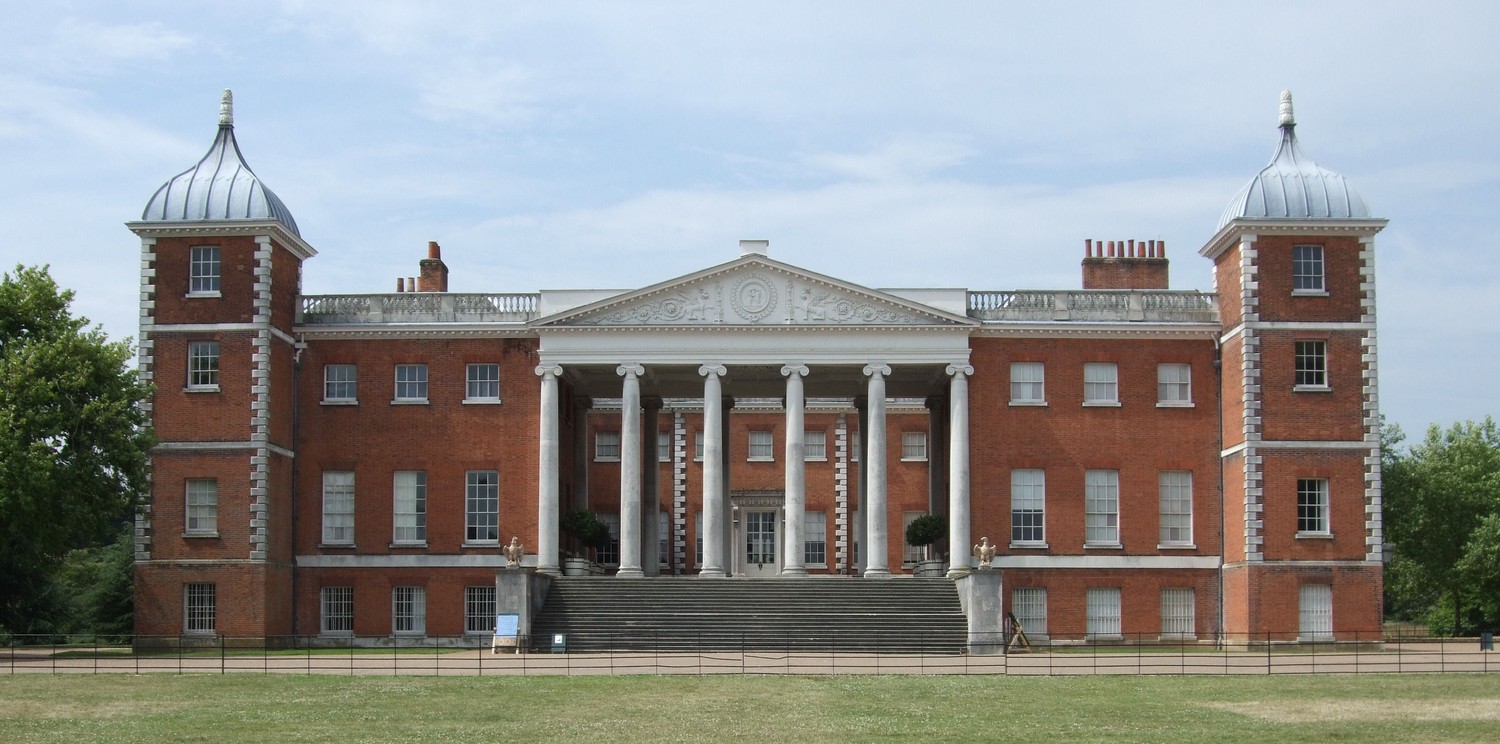


Osterley Park And House: A Georgian Jewel Embraced by Adam’s Genius
Osterley Park and House stands as a testament to British architectural grandeur and artistic patronage, nestled in the leafy suburb of Isleworth, London. More than just a stately residence, it embodies an era defined by neoclassical ideals and meticulous craftsmanship—a legacy meticulously preserved by The National Trust and offering visitors an unparalleled glimpse into 18th-century life and design.- A Legacy Rooted in Gresham’s Vision: The story begins in the Elizabethan period with Sir Thomas Gresham, a titan of finance who established the Royal Exchange, commissioning the initial manor house on this site. Subsequent owners—including the Child family—transformed Osterley into its iconic Georgian form, culminating in Robert Adam's masterful redesign between 1761 and 1765.
- Adam’s Neoclassical Triumph: Scottish architect Robert Adam is undeniably Osterley’s defining figure. His commission wasn’t merely about constructing a building; it was about crafting an experience—a harmonious blend of architectural form and interior decoration that reflected Enlightenment sensibilities. The resulting house exemplifies the elegance and restraint characteristic of neoclassical design, prioritizing symmetry and proportion.
The architectural centerpiece is undoubtedly the Ionic pedimented screen, which opens onto a central courtyard – a bold innovation for its time—creating an airy space bathed in natural light. Intricate plasterwork adorns every room, meticulously executed to achieve subtle tonal variations that enhance the overall aesthetic. Particular attention was paid to colour schemes, reflecting Adam’s belief in coordinating hues to evoke mood and atmosphere; the Etruscan Dressing Room, inspired by Sir William Hamilton's fascination with Greek antiquities, serves as a striking illustration of this approach.
- A Treasure Trove of Artistic Treasures: Osterley’s collection boasts original furnishings designed by Adam himself—a remarkable feat of preservation—alongside paintings and sculptures that illuminate the tastes of its aristocratic inhabitants. The State Bed, with its opulent domed canopy, remains a breathtaking example of Adam's furniture artistry.
- Beyond Walls: Exploring Osterley’s Gardens Extending over 350 acres, Osterley Park offers expansive lawns, formal gardens and woodland trails—a tranquil setting for appreciating the beauty of landscape design and connecting with nature. The parkland reflects a deliberate intention to complement the grandeur of the house, creating a cohesive visual narrative.
What distinguishes Osterley from countless other stately homes is not merely its architectural splendor but also its remarkable completeness—a rare opportunity to step back in time and immerse oneself in an environment where art, history, and landscape intertwine seamlessly. Its enduring appeal lies in the ability to transport visitors to a bygone era, fostering contemplation on artistic innovation and the pursuit of beauty.
Notable Exhibitions & Ongoing Research
Recent exhibitions have focused on exploring Adam’s influence on British decorative arts and examining Osterley’s role as a site for scientific experimentation during the Enlightenment. Furthermore, ongoing research into Osterley’s history continues to uncover new insights into the lives of its families and the evolution of its gardens—solidifying Osterley Park & House’s position as a cornerstone of British cultural heritage.The Adam Legacy: Architectural Innovation
Robert Adam's vision extended far beyond mere aesthetics; he championed principles of rational design that prioritized functionality alongside beauty. The meticulous planning of Osterley’s interior spaces – from the grand saloon to the intimate bedrooms – demonstrates his commitment to creating environments conducive to intellectual discourse and artistic appreciation. Detailed drawings and models reveal Adam’s painstaking attention to proportion and symmetry, reflecting a profound understanding of classical ideals.
A Window into Hamilton's World: The Etruscan Dressing Room
The Etruscan Dressing Room stands as a singular testament to Sir William Hamilton’s erudition and his passion for collecting antiquities. Adam skillfully recreated the atmosphere of Hamilton’s villa in Naples, incorporating elements inspired by Greek sculpture and decorative arts—a bold stylistic choice that underscores Osterley's connection to the intellectual currents of its time. The room’s muted palette and understated ornamentation exemplify Adam’s mastery of restraint and elegance.
Gardens Designed for Reflection
Osterley Park’s landscape design embodies a harmonious blend of formal geometric patterns and naturalistic elements—a deliberate effort to foster contemplation and tranquility. Created in the mid-18th century, the gardens showcase the influence of Palladian principles, prioritizing vistas and creating spaces that invite leisurely strolls amidst verdant foliage.
Preserving Osterley’s Heritage
The National Trust diligently safeguards Osterley Park & House's architectural integrity and artistic treasures, ensuring that future generations can experience the splendor of this historic estate. Ongoing conservation efforts—including meticulous restoration work and scholarly research—contribute to maintaining Osterley’s legacy as a beacon of Georgian artistry and intellectual curiosity.