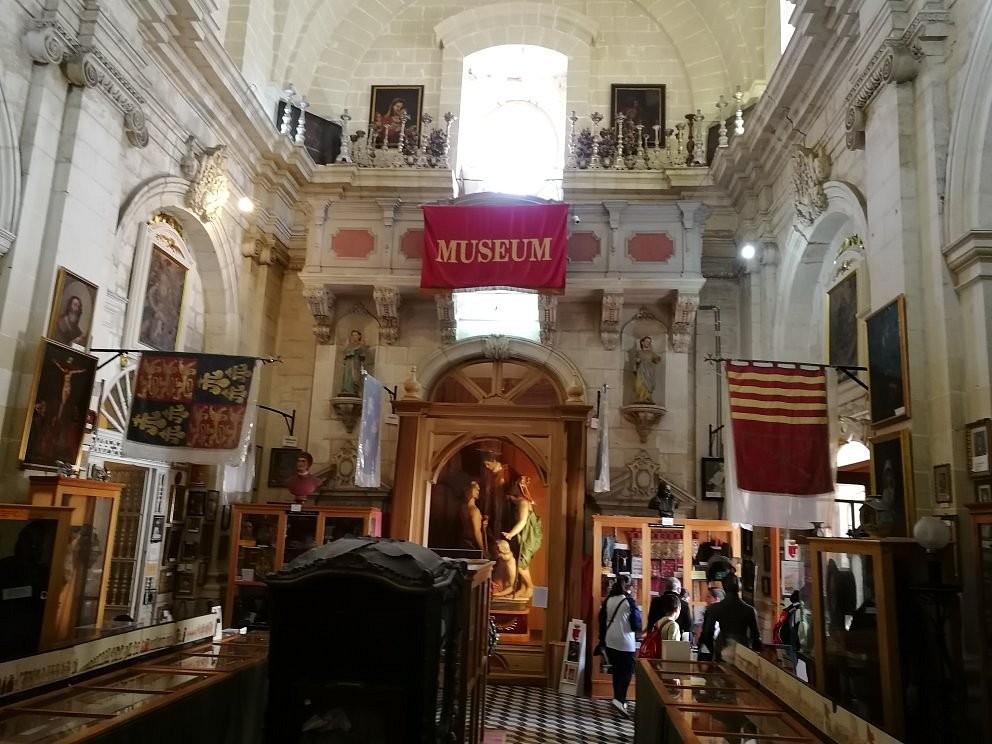
Un Legado Sagrado en Piedra
La Iglesia Parroquial
en Daroca se erige como un testimonio profundo del espíritu inalterable de la fe y de la historia estratificada de España. Situado dentro de la antigua provincia de Zaragoza, este lugar sagrado es mucho más que un simple espacio de culto; es una crónica viva del complejo pasado de la región. La propia arquitectura narra una historia de transformación, donde los vestigios de una estructura románica del siglo XII permanecen visibles en el ábside principal, incluso mientras la iglesia evolucionaba a través de los siglos. Al entrar, el pesado peso de la historia se vuelve palpable, fusionando la fuerza robusta de los cimientos medievales con la elegancia refinada de eras posteriores. La transición de las tradiciones románicas hacia el Renacimiento y el Gótico crea un espacio donde el tiempo parece plegarse sobre sí mismo, ofreciendo un santuario que está, a la vez, arraigado en la tierra y elevado hacia lo divino.
El Milagro y la Maestría Artística
Más allá de su grandeza estructural, la iglesia es un sitio de inmensa significación espiritual, célebre por el
milagro eucarístico de los Corporales
que ocurrió en 1239. Este acontecimiento, en el que las Hostias consagradas fueron halladas manchadas de sangre en medio del caos del conflicto, ha imbuido al espacio con un aura de profundo misterio y reverencia. La maestría artística dentro de la iglesia refleja este legado milagroso, particularmente a través de su magnífica variedad de obras sagradas. Los visitantes pueden encontrarse con:
-
Un raro
retablo de piedra gótico francés
del siglo XV que adorna el ábside con detalles intrincados.
-
La
Puerta del Perdón
, una entrada grandiosa que sirve como umbral hacia el sagrado interior.
-
Una colección de reliquias preciosas y piezas de arte que fueron reunidas específicamente debido a la importancia del milagro eucarístico.
Para el amante del arte o el historiador, la iglesia ofrece una experiencia inmersiva donde los límites entre arquitectura, reliquia y ritual se disuelven. El juego de luces sobre la piedra antigua y la presencia de un peso histórico tan significativo convierten a esta iglesia parroquial en un destino singular para aquellos que buscan tocar el corazón mismo de la devoción aragonesa.