

Una Ventana al Alma de Bengala
Enclavado entre los venerables salones de la Universidad Presidency en Calcuta, existe un santuario que trasciende la mera exhibición de artefactos; es una encarnación viva del espíritu de Bengala. Adentrarse en este museo es entrar en un repositorio de conocimiento cuidadosamente ensamblado a lo largo de décadas, que refleja la rica y compleja herencia artística de la región. El viaje comienza donde la historia respira, remontándose a 1817, cuando la institución abrió sus puertas por primera vez como Hindu College. Al evolucionar hacia Presidency College en 1855, se convirtió en una piedra angular del paisaje intelectual de la Bengala bajo administración británica, moldeando a generaciones tanto de pensadores como de revolucionarios.
Los Ecos de la Tinta Antigua
El verdadero corazón de esta colección reside en sus extraordinarios manuscritos: textos antiguos que susurran relatos de las tradiciones literarias de Bengala y profundas exploraciones filosóficas. A diferencia de los museos que dependen de narrativas reconstruidas, esta institución se enorgullece de una dedicación inquebrantable a las fuentes primarias . Aquí, uno se encuentra con documentos originales intactos por el paso erosivo del tiempo, ofreciendo una visión excepcional de los pasillos del poder a través de papeles gubernamentales confidenciales y registros históricos fundamentales. Para el coleccionista de la historia y el amante de la narrativa auténtica, estos manuscritos sirven como conductos directos hacia las voces del pasado, trazando las transformaciones sociales que han definido al subcontinente indio.
La Majestuosidad de Baker Hall
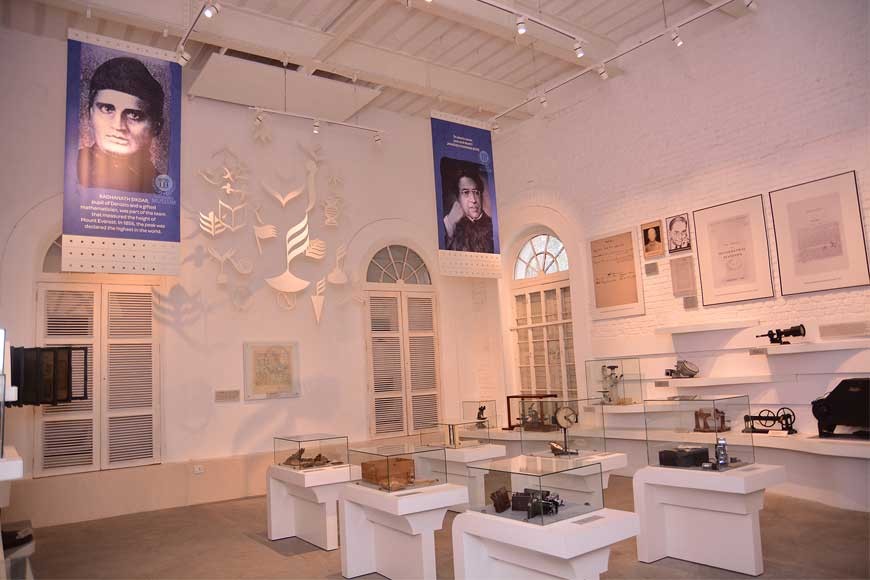
El entorno físico del museo es una obra maestra tan grande como los artefactos que alberga. Baker Hall se erige como un testimonio impresionante de grandeza arquitectónica, una reliquia de la era colonial británica diseñada específicamente para fomentar la búsqueda académica y la investigación erudita. Al recorrer sus pasillos, los techos elevados y los detalles ornamentados crean una atmósfera de profunda contemplación. Para el diseñador de interiores o el admirador de la estética clásica, el salón ofrece una clase magistral sobre cómo el espacio puede ser esculpido para inspirar asombro y profundidad intelectual, proporcionando un escenario donde la historia y la arquitectura existen en perfecta y silenciosa armonía.
Movimientos Artísticos y Reforma Social
Más allá de la palabra escrita, el museo ha servido durante mucho tiempo como un escenario vibrante para las artes visuales, acogiendo exposiciones notables que exploran los movimientos artísticos bengalíes, temas de espiritualidad y el pulso de la reforma social. Estas exhibiciones curadas hacen más que mostrar arte; invitan a un diálogo sobre la identidad cultural y la influencia perdurable de la tradición en medio de la innovación. Visitar este museo no es simplemente un acto de observación, sino una peregrinación al corazón de la historia intelectual de la India: una invitación a presenciar cómo la historia de Bengala Occidental continúa desplegándose, tejida con hilos de arte, costumbres sociales y agitación política.