

Un viaje a través de la justicia y la expresión artística: Preston Crown Court
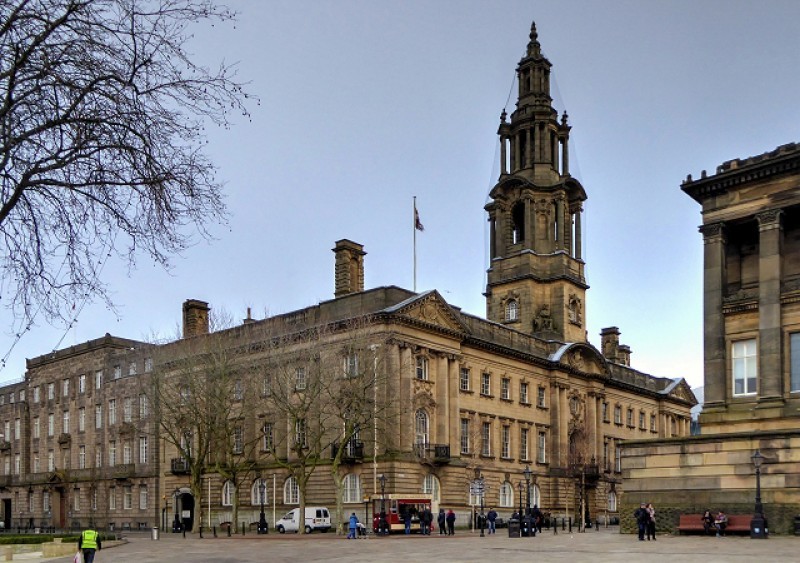
El Preston Crown Court se erige como algo mucho más profundo que un simple tribunal; es un testimonio vivo del patrimonio legal de Lancashire, entrelazado con la sublime belleza del arte. Situado en Harris Street, Preston, este edificio catalogado como Grado II* encarna la grandeza del barroco eduardiano y alberga una colección extraordinaria que ofrece a los visitantes una mirada sin precedentes tanto a la historia como a la innovación artística.
Concebido originalmente para reemplazar una antigua Casa de Sesiones, la construcción del tribunal comenzó en 1904 bajo la visión de Henry Littler. Su estilo arquitectónico —el barroco eduardiano— cautiva de inmediato con su imponente fachada tallada en piedra de Longridge, reflejando la ambición y la sofisticación de una época. Su diseño simétrico es un lenguaje silencioso que habla de los valores de orden y autoridad que predominaban en aquel entonces.
Explorando la historia judicial y los tesoros artísticos
- Historia de las salas de justicia: Es posible sumergirse en la evolución de los procesos legales dentro de Lancashire, observando cómo los espacios judiciales se han adaptado con el tiempo, reflejando cambios sociales y avances tecnológicos. El meticuloso detalle del interior, con sus vitrales que representan escenas de jurisprudencia, ofrece una crónica visual de la historia del derecho.
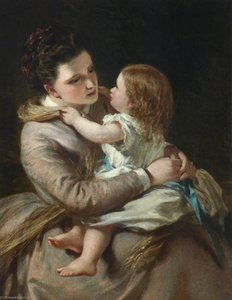
- Colecciones de arte: Los tesoros artísticos del Preston Crown Court incluyen piezas de Alfred Borron Clay y Daniel Macnee. Los paisajes de Clay capturan la serena belleza de la campiña de Lancashire, utilizando tonos tenues y pinceladas texturizadas para transmitir una profunda tranquilidad. Por su parte, los retratos de Macnee exhiben un realismo notable y una destreza técnica excepcional, capturando a sus sujetos con expresiones llenas de matices.
Más allá de su esplendor arquitectónico y su acervo artístico, el Preston Crown Court ocupa un lugar significativo en la mitología legal británica. Ha sido el escenario de juicios trascendentales, notablemente la condena de Jon Venables y Robert Thompson por el horroroso asesinato de James Bulger en 199 93, un caso que cautivó la atención nacional y subrayó la importancia de la justicia.
Juicios notables y trascendencia legal
- Casos icónicos: La historia del tribunal se extiende hasta la condena del Dr. Harold Shipman por múltiples asesinatos, un recordatorio estremecedor de la vulnerabilidad inherente a las relaciones humanas y de la búsqueda incansable de la verdad. Estos juicios han moldeado la percepción pública sobre la aplicación de la ley y la responsabilidad social.
Lo que distingue al Preston Crown Court es su estatus único como un tribunal en pleno funcionamiento que convive con un museo, una combinación poco común que permite a los visitantes presenciar procesos legales de primera mano mientras se sumergen en la contemplación artística. El edificio mismo permanece como un símbolo perdurable del pasado de Lancashire, invitando a la reflexión sobre la interacción entre el derecho y la cultura.
Una ventana al alma artística de Lancashire
La colección del tribunal no es meramente decorativa; representa un esfuerzo deliberado por enriquecer la experiencia del visitante mediante la exhibición de diversos estilos artísticos. Desde los evocadores paisajes de Margaret Rose Preston —inspirados en motivos aborígenes— hasta las pinturas precisonistas de escenas industriales de William Preston Dickinson, las obras de arte iluminan el paisaje cultural de Lancashire.
- Artistas destacados: Se pueden explorar obras de artistas renombrados como David Roberts y el Maestro de la Corte de Mankot, cuyas visiones artísticas reflejan las tendencias más amplias de la historia del arte europeo.
El Preston Crown Court ofrece un viaje inolvidable para cualquier apasionado de la historia legal, la grandeza arquitectónica o el poder transformador del arte; un lugar donde los ecos de juicios pasados resuenan junto a obras maestras que inspiran la contemplación y el entendimiento.