
A Window into War: The Residenz Museum of Aarhus
Nestled within the heart of Aarhus, Denmark, the Residenz Museum offers a profoundly moving and unexpectedly intimate journey through a pivotal chapter in Danish history – the occupation of Denmark during World War II. More than just a chronicle of conflict, this museum, often referred to as the Occupation Museum, meticulously reconstructs daily life under German rule within the city’s very walls. It's a space that compels reflection on resilience, resistance, and the quiet courage displayed by ordinary citizens facing extraordinary circumstances. The building itself – formerly a grand residence – subtly amplifies the narrative; its opulent interiors juxtaposed with stark displays of wartime artifacts create a powerful tension, mirroring the complexities of the era. The museum’s design isn't merely functional; it’s an integral part of the storytelling, transforming a historic home into a poignant memorial to a time of hardship and defiance.
At its core, the Residenz Museum delves into the multifaceted experiences of Aarhus residents during the occupation. It moves beyond simplistic narratives of heroism and villainy, instead presenting a nuanced portrait of a city grappling with rationing, surveillance, and the constant threat of violence. A significant portion is dedicated to exploring the Danish resistance movement – not as a monolithic entity, but as a diverse collection of individuals who employed various strategies, from sabotage and espionage to providing shelter for those fleeing persecution. The museum doesn’t shy away from portraying the darker aspects of the occupation, particularly through its exploration of the Gestapo headquarters located within Aarhus – a chilling reminder of the oppressive forces at play. Visitors can examine authentic artifacts: personal letters detailing anxieties about loved ones, ration cards illustrating the scarcity of resources, wartime equipment revealing the technological advancements employed by both sides, and propaganda materials exposing the psychological warfare waged during the conflict.
The Ghosts of 1944: The Aarhus Air Raid
A particularly poignant element of the museum’s collection centers around the devastating air raid on Aarhus in November 1944. Detailed accounts, photographs, and crucially, survivor testimonies paint a vivid picture of the chaos and destruction that swept through the city. This event serves as a microcosm of the wider war – a brutal demonstration of aerial warfare's impact on civilian populations. The museum meticulously documents the immediate aftermath, highlighting the community’s remarkable response to rebuild and recover from the devastation. The exhibits don’t simply display images of damage; they incorporate audio recordings of survivors recounting their experiences, creating an immersive and deeply emotional encounter. This section powerfully illustrates how a single event could profoundly shape the collective memory and identity of a city.
A Reflection of Danish Identity
What truly distinguishes the Residenz Museum is its localized focus. Unlike many museums dedicated to World War II, it doesn’t attempt to provide a broad overview of the conflict; instead, it concentrates solely on the experiences within Aarhus. This intimate perspective allows for a deeper understanding of how war impacted a single city and its people – their fears, their hopes, and their unwavering determination. The museum’s curators have skillfully interwoven historical context with personal stories, creating an immersive experience that resonates deeply with visitors. The exhibits aren't simply displays of objects; they are windows into the lives of those who lived through this challenging period. Furthermore, the inclusion of interactive elements – such as digitized diaries and oral history recordings – encourages active engagement and fosters a sense of connection to the past.
Architectural Context & Unique Features
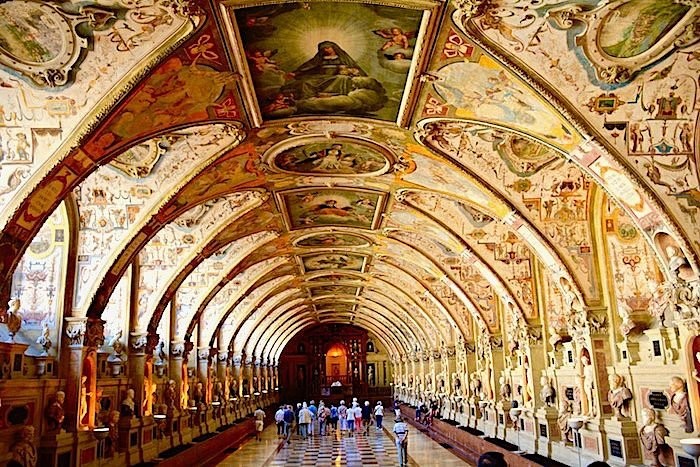
Originally a grand residence, the museum’s building itself is integral to its narrative. The architecture – a blend of Baroque and Rococo styles, characteristic of Aarhus's rich history as a trading center and a seat of power – provides a striking contrast to the grim realities of wartime occupation. The museum skillfully utilizes this architectural framework to enhance the storytelling, juxtaposing the opulence of the former residence with the stark displays of wartime artifacts. The grand halls, once filled with music and laughter, now serve as a solemn reminder of the restrictions imposed upon Aarhusian society. The building’s layout itself guides visitors through the chronological narrative, culminating in the poignant exhibits detailing the aftermath of the air raid. The museum's commitment to accessibility—including free entry for children—underscores its dedication to engaging a broad audience and fostering an appreciation for history across generations.
Notable Exhibitions & Collection Highlights
Beyond the core narrative, the Residenz Museum regularly hosts temporary exhibitions that delve into specific aspects of the occupation. These exhibits often feature newly discovered documents, photographs, or personal accounts, offering fresh perspectives on familiar events. The museum’s collection highlights include a comprehensive archive of propaganda materials – both German and Danish – providing valuable insights into the psychological warfare waged during the conflict. The display of original artifacts—from ration cards to wartime clothing—offers tangible connections to the daily lives of Aarhus residents. A dedicated section explores the role of women in the resistance, highlighting their often-overlooked contributions to the struggle for freedom. The museum also maintains a strong focus on preserving and promoting oral histories, ensuring that the voices of those who lived through the occupation are never forgotten.