

Índice
Datos clave
- Alternate names:
- San Pietro di Castello
- San Pietro
- Basilica di San Pietro di Castello
- Location: Venecia, Italia
- Works on APS: 3
- Featured artists:
- Luca Giordano
- giovan maria morlaiter
- Marco Basaiti
Artistas expuestos
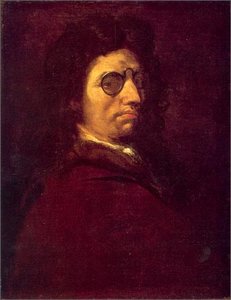
Luca Giordano
Una Carrera en Constante Movimiento</h2> El viaje artístico de Giordano distó mucho de ser estático. Fue una progresión dinámica impulsada por encargos y viajes


Giovanni Maria Morlaiter
Explore las dinámicas esculturas rococó de Giovanni Maria Morlaiter, maestro veneciano (1699-1781). Descubra su arte, conocido por sus obras en la iglesia Gesuati y Santa Maria del Rosario.

Marco Basaiti
Marco Basaiti (c. 1470-1530) fue un pintor del Renacimiento veneciano conocido por sus retratos y escenas religiosas, uniendo los estilos Quattrocento y Cinquecento. Influenciado por Bellini y Vivarini.
Cuestionario de arte
Cada pregunta tiene una única respuesta correcta.
Pregunta 1:
¿Cuál fue el papel principal de San Pietro di Castello durante la historia de Venecia?
Pregunta 2:
¿Qué estilo arquitectónico influyó significativamente en el diseño de San Pietro di Castello?
Pregunta 3:
¿Qué movimiento artístico se representa predominantemente en los frescos que adornan las paredes de la iglesia?
Pregunta 4:
¿Dónde ofrece San Pietro di Castello una experiencia distinta a otros puntos turísticos de Venecia?
Pregunta 5:
¿Qué representa San Pietro di Castello como testimonio del legado perdurable de Venecia?
Artículos relacionados
Giotto di Bondone: Las 25 Obras Maestras que Definieron el Renacimiento | Mus3ums
Descubre las 25 obras maestras de Giotto di Bondone, el pionero del Renacimiento. Explora la historia, técnica y simbolismo de sus frescos italianos más icónicos. Encuentra reproducciones de arte exclusivas para decorar tu hogar en Mus3ums.com.
La Biennale de Venecia: 25 Obras Maestras para Inspirar tu Hogar | Mus3ums
Descubre las 25 obras maestras de la Bienal de Venecia. Explora la historia, artistas y técnicas detrás de iconos del arte renacentista, moderno y contemporáneo. Encuentra reproducciones de alta calidad e inspira tu hogar con Mus3ums.com.
Proto-Renacimiento: 10 Obras Maestras que Cambiaron la Historia del Arte | Mus3ums
Descubre las 10 obras maestras del Proto Renacimiento que revolucionaron el arte italiano. Explora la historia de Giotto, Duccio y Cimabue. Reproducciones de arte en Mus3ums.com para decorar tu hogar con belleza atemporal.
Catálogo de obras
No se encontraron obras de arte.
© 2026 mus3ums.com