Basilica di San Pietro di Castello

A Glimpse into Venice's Past: Exploring San Pietro di Castello

San Pietro di Castello—Un Vistazo al Pasado de Venecia—stands as a beacon of Venetian artistic heritage, inviting visitors on an unforgettable voyage through centuries of faith and architectural splendor. Situated on Sant’Elena Island, this former cathedral transcends the typical tourist experience, offering a tranquil sanctuary for contemplation amidst breathtaking frescoes and a palpable connection to Venice's formative years. Its story unfolds from the ninth century onward, shaping the city’s identity as a maritime republic and solidifying its place among Europe’s most influential cultural centers.

Historical Significance: From Early Christianity to Venetian Power

The cathedral’s origins trace back to the dawn of Christendom in Venice, where it served as the spiritual nucleus of the Republic until 1807. Initially conceived as a humble chapel honoring Saint Peter Apostle, San Pietro steadily ascended in stature alongside Venice's burgeoning political influence—a testament to its role as the seat of Venetian governance and administration. This dual function extended beyond religious observance; it instilled a sense of civic pride and shaped Venetian legal traditions. The eventual transfer of authority to St Mark’s Basilica marked a pivotal juncture, yet San Pietro retains an indelible imprint on Venice's history—a tangible reminder of the republican spirit that defined its remarkable trajectory.

Architectural Marvel: Romanesque Roots and Venetian Refinement

The church’s structure embodies Venetian Romanesque influences blended with subsequent stylistic developments characteristic of the Renaissance period. Its robust stonework speaks to the enduring strength of the era, showcasing a solemn beauty that resonates through time. Careful observation reveals subtle refinements indicative of artistic endeavors undertaken by masters such as Andrea Palladio—a testament to Venice's commitment to preserving its architectural legacy and elevating its aesthetic standards. The façade, designed by Francesco Smeraldi, exemplifies Palladio’s principles of proportion and harmony, reflecting the grandeur of Venetian civic culture.

Collection Highlights: Frescoes That Breathe History

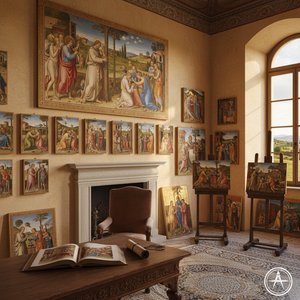
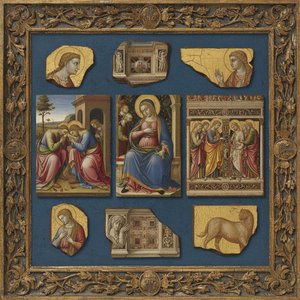
The cathedral’s interior is arguably its most captivating feature—a treasure trove of frescoes depicting scenes from biblical narratives alongside depictions of Venetian history. Among the most prominent are cycles illustrating Saint Peter's life, offering insights into Christian iconography and artistic conventions prevalent during the medieval period. Furthermore, fragments of Byzantine art permeate the space, reflecting Venice’s profound connection to the Eastern Roman Empire—a relationship that fostered cultural exchange and profoundly impacted Venetian artistic sensibilities. These artworks serve as windows into a bygone era, inviting viewers to immerse themselves in the visual language of Venetian faith and tradition. The meticulous preservation of these frescoes underscores the importance of safeguarding Venice's artistic heritage for future generations.

Notable Exhibitions & Artistic Legacy

San Pietro di Castello has hosted several exhibitions showcasing Venetian art history, attracting scholars and enthusiasts alike. Recent initiatives have focused on reconstructing lost frescoes and illuminating lesser-known artistic achievements—underscoring the significance of ongoing research and conservation efforts. The cathedral’s enduring influence extends beyond its physical walls; it continues to inspire artists and designers today, reminding us of Venice's profound contribution to European art and culture. Its serene location on Sant’Elena Island ensures that visitors can experience this masterpiece undisturbed, fostering a deeper appreciation for Venice’s artistic heritage.

A Sanctuary for Reflection: Why San Pietro Di Castello Remains Unique

Unlike many Venetian landmarks overwhelmed by crowds, San Pietro di Castello offers a tranquil environment conducive to contemplation—a space where visitors can appreciate the cathedral's artistic treasures without distraction. Its location on Sant’Elena Island provides an escape from the city’s frenetic pace, allowing for a deeper engagement with Venice’s past and its enduring artistic spirit. Exploring this hidden gem is more than just sightseeing; it’s embarking on a journey into the heart of Venetian identity—a pilgrimage to a place where history breathes through every stone and fresco.

Cuestionario de arte

Cada pregunta tiene una única respuesta correcta.

Pregunta 1:
¿Cuál fue el papel principal de San Pietro di Castello durante la historia de Venecia?
Pregunta 2:
¿Qué estilo arquitectónico influyó significativamente en el diseño de San Pietro di Castello?
Pregunta 3:
¿Qué movimiento artístico se representa predominantemente en los frescos que adornan las paredes de la iglesia?
Pregunta 4:
¿Dónde ofrece San Pietro di Castello una experiencia distinta a otros puntos turísticos de Venecia?
Pregunta 5:
¿Qué representa San Pietro di Castello como testimonio del legado perdurable de Venecia?

Catálogo de obras

No se encontraron obras de arte.

© 2026 mus3ums.com