

A Legacy Preserved: The Smolensk State Museum-Preserve – A Journey Through Russian History and Art
Nestled within the historic heart of Smolensk, a city steeped in centuries of turbulent yet vibrant history, lies the Smolensk State Museum-Preserve—a sprawling complex that’s far more than just a repository of artifacts. It's a living testament to the region’s enduring spirit, a meticulously curated chronicle of its artistic achievements, literary legacies, and profound cultural identity. Established in 1888 by Maria Tenisheva, a passionate patron of the arts, the museum began as a modest collection of local folklore but has since blossomed into one of Russia's most significant and comprehensive museums, encompassing over 12 branches scattered across the Smolensk Oblast – each offering a unique window onto the region’s multifaceted past. The very air around the Museum-Preserve seems to hum with echoes of bygone eras, from the strategic crossroads it occupied during centuries of conflict to its role as a center for artistic innovation and cultural preservation.
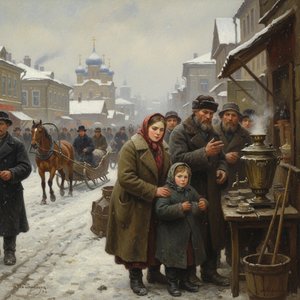
At the heart of the museum’s remarkable collection lies the Tenisheva Collection, a dazzling assemblage amassed by its founder. This isn't merely a display of beautiful objects; it’s a vibrant tapestry woven from Russian folk art—intricately carved wooden figurines depicting mythical creatures and ancestral spirits, brightly colored textiles illustrating ancient legends and seasonal rituals, and hand-painted icons radiating with spiritual depth. These aren’t simply religious images; they are windows into the beliefs and traditions of the people who shaped this land. Alongside these treasures are paintings by renowned artists like Rokotov and Shishkin, reflecting the artistic sensibilities of the 18th and 19th centuries—a testament to Smolensk's role as a cultural hub. The museum also honors the literary giants who called Smolensk home: Michael Glinka, whose music resonated throughout Europe; Sergey Konenkov, a sculptor whose works capture the essence of Russian character; Nikolay Przhevalskiy, an explorer whose daring expeditions shaped our understanding of Central Asia; and Alexander Tvardovskiy, the poet laureate of World War II. These figures aren’t simply commemorated; their lives and legacies are interwoven into the museum's narrative through meticulously researched exhibits and poignant personal artifacts—a powerful reminder of Smolensk’s contribution to Russia’s cultural landscape.
The Architectural Tapestry: A Network of Historical Spaces
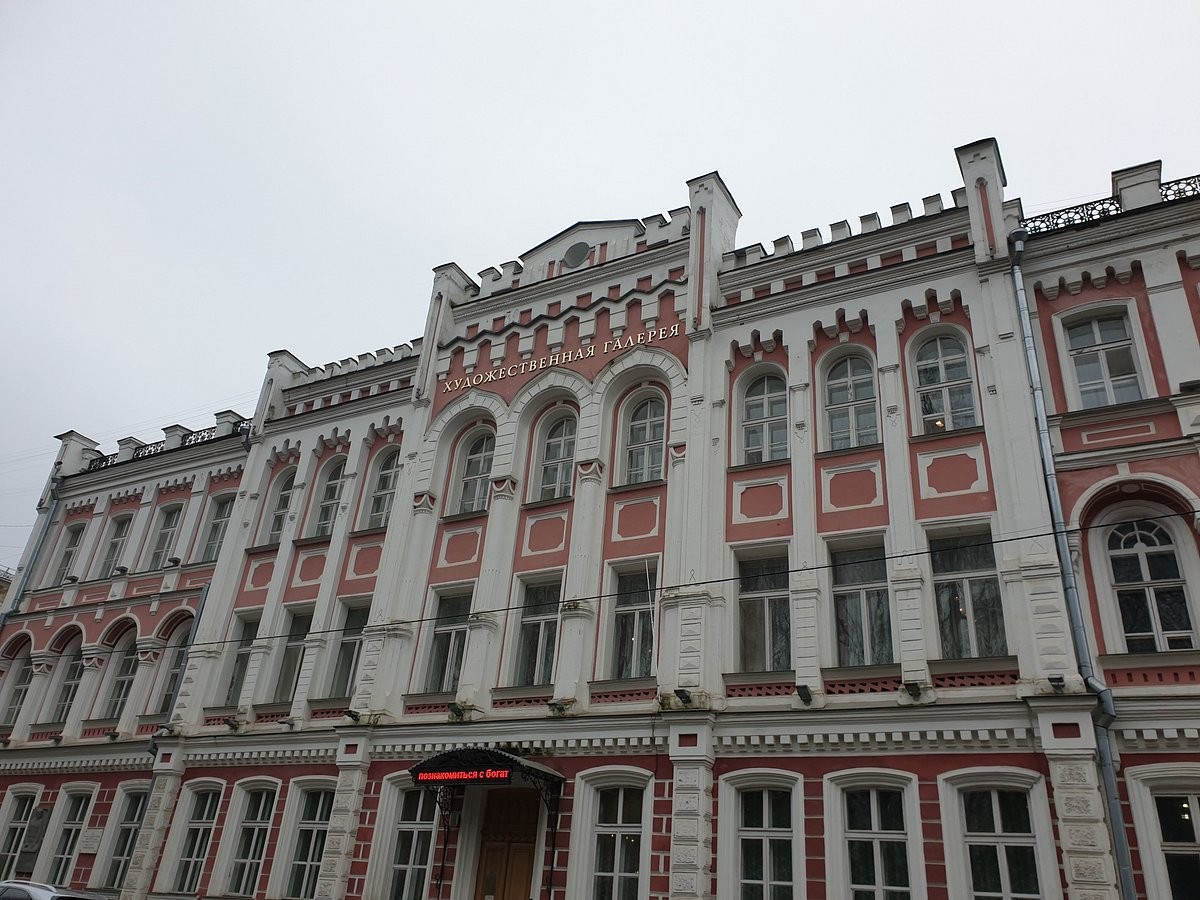
What truly elevates the Smolensk State Museum-Preserve beyond a typical collection is its unique architectural ensemble. It's not confined to a single grand building; it’s a sprawling network of interconnected spaces—historic manor houses transformed into galleries, meticulously restored churches housing religious art and ancient icons, and local history museums dedicated to preserving regional traditions. Each branch possesses a distinct character and historical significance, reflecting the city’s long and complex past. The museum's design is a deliberate homage to its mission: to showcase not only objects but also the physical spaces that shaped their history. Walking through these diverse locations—from the imposing walls of the Kremlin to the charming interiors of Talashkino’s estate—offers visitors a tangible sense of the region’s past, allowing them to connect with the stories embedded in each building's stones and timbers.
The museum’s most striking architectural feature is undoubtedly the former headquarters of the German occupation forces during World War II. This imposing structure has been thoughtfully transformed into an exhibition space dedicated to preserving the memory of the conflict—a poignant reminder of Smolensk’s resilience in the face of adversity. The juxtaposition of these spaces – a symbol of oppression alongside a celebration of cultural heritage – speaks volumes about the city's enduring spirit and its commitment to remembering its past, both glorious and painful.
A Treasury of Artistic Styles: Talashkino and Beyond
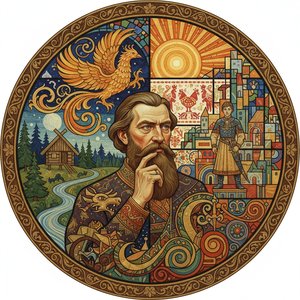
Beyond its celebrated art collection, the Smolensk State Museum-Preserve boasts a truly unique specialization: Talashkino’s Art Heritage. This branch delves into the distinctive artistic style developed at the Talashkino estate, a renowned center for applied arts and crafts during the 18th and 19th centuries. The estate produced exquisite porcelain, textiles, furniture, and decorative objects—each piece imbued with a refined elegance and meticulous attention to detail. Visitors can marvel at the intricate patterns of the porcelain, the luxurious textures of the fabrics, and the masterful craftsmanship of the furniture – all testaments to the artistic skill nurtured within Talashkino’s walls. The museum showcases these remarkable creations, offering visitors a rare glimpse into the world of aristocratic craftsmanship and the artistic traditions that flourished in this secluded corner of Russia.
Furthermore, the museum's dedication to Flax Cultivation History is an unexpected but fascinating highlight – a testament to the region’s agricultural heritage and its profound impact on local economy and culture, showcasing tools, techniques, and the very fibers themselves. This seemingly humble subject reveals a rich history of innovation and tradition, highlighting the interconnectedness of art, industry, and daily life in Smolensk.
Exhibitions & A Living Legacy
Recent exhibitions have highlighted the museum’s impressive holdings, including a retrospective of works by Mikhail Glinka, exploring his musical legacy in detail. Another notable exhibition showcased recovered birch bark manuscripts from the 11th-12th centuries—remarkable examples of early Slavic writing that offer invaluable insights into the region's intellectual and cultural history. The museum’s collection of porcelain from Talashkino is consistently lauded for its exquisite craftsmanship and artistic merit, attracting collectors and art enthusiasts from around the world. The ongoing preservation efforts ensure that these treasures will continue to inspire and educate generations to come. The Smolensk State Museum-Preserve isn't merely a static display; it’s a dynamic institution actively engaged in research, education, and cultural exchange—a vital resource for understanding Russia’s rich and complex past.