

A Journey Through Finnish Identity: Exploring The National Museum of Finland
The National Museum of Finland stands as a beacon of Finnish cultural heritage, inviting visitors to delve into the multifaceted narrative of its nationhood—a story spanning millennia and interwoven with threads of folklore, artistic innovation, and historical transformation.
A Cornerstone of Finnish History
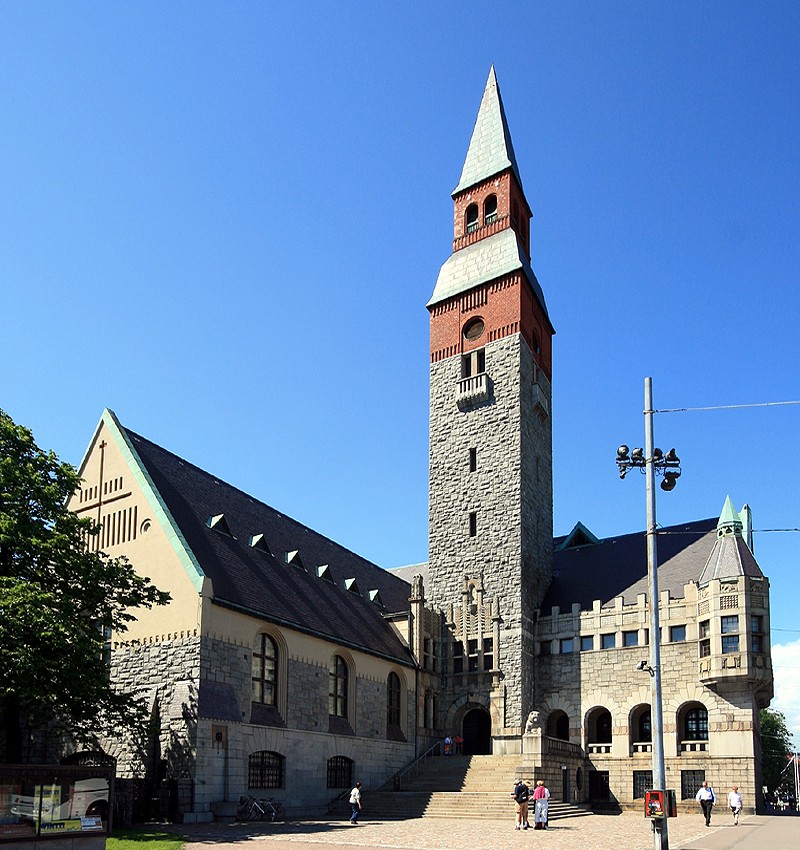
Located in Helsinki’s vibrant city center, this architectural masterpiece embodies the spirit of Finnish National Romanticism, conceived by the visionary firm Gesellius, Lindgren, and Saarinen. Completed in 1910, its design deliberately echoes the grandeur of medieval Finnish churches and castles—a deliberate stylistic choice intended to convey both strength and beauty.
Inside, Art Nouveau flourishes, complementing the exterior’s romantic aesthetic with flowing lines and organic motifs, creating a harmonious blend of architectural style and artistic expression. The museum's commitment to preserving Finland’s past is palpable in its extensive collection—spanning from prehistoric relics to contemporary masterpieces.
Notable Collections & Artistic Expressions
Amongst its treasures are significant archaeological finds, including tools from the Stone Age and evocative relics from the Viking age, offering tangible connections to Finland's earliest inhabitants. Furthermore, the museum houses an extraordinary assemblage of Mesa Verde artifacts donated by Gustaf Nordenskiöld—a singular contribution to anthropological scholarship and an emblem of Finland’s engagement with global heritage.
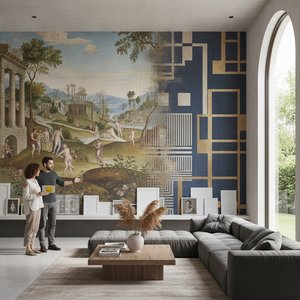
But perhaps the museum’s most arresting feature is its breathtaking Kalevala frescoes—a monumental artistic undertaking depicting scenes from Finland's national epic, Kalevala. Accessible even without purchasing admission tickets, these frescoes stand as a testament to artistic ambition and cultural pride. They capture the essence of Finnish mythology and storytelling in vibrant hues.
Architectural Elegance: Gesellius Lindgren Saarinen’s Vision
The museum's building itself is a triumph of Finnish National Romantic architecture, conceived by the celebrated firm Gesellius, Lindgren, and Saarinen. Completed in 1910, its design deliberately echoes the grandeur of medieval Finnish churches and castles—a deliberate stylistic choice intended to convey both strength and beauty.
The museum’s impressive Sala de Plata showcases exquisite silver artifacts – a testament to Finland's rich artistic tradition. Alongside this opulent display are masterpieces from Henri Matisse, including “Joven Mujer en Blanco,” which brilliantly exemplifies Fauvist principles with its bold color palette and serene composition. Don’t miss the opportunity to admire “Gran Interior Rojo,” another captivating piece by Matisse that embodies dynamism and visual richness.
A Celebration of Finnish Identity
Established in 1916, the museum's legacy extends beyond its physical structure; it represents a profound dedication to safeguarding Finland’s cultural heritage. Officially recognized as “The Finnish National Museum” after Finland achieved independence in 1917, it underwent significant renovations culminating in a triumphant reopening in 2000—a renewed commitment to presenting Finnish history with clarity and vibrancy.
Currently undergoing refurbishment until 2027, the museum anticipates welcoming visitors back to experience its unparalleled collection and explore Finland’s captivating narrative. Its mission remains steadfast: to illuminate the nation's past, inspire artistic appreciation, and foster a deeper understanding of Finnish identity.