A Journey Through Time: Exploring Gdańsk’s National Museum
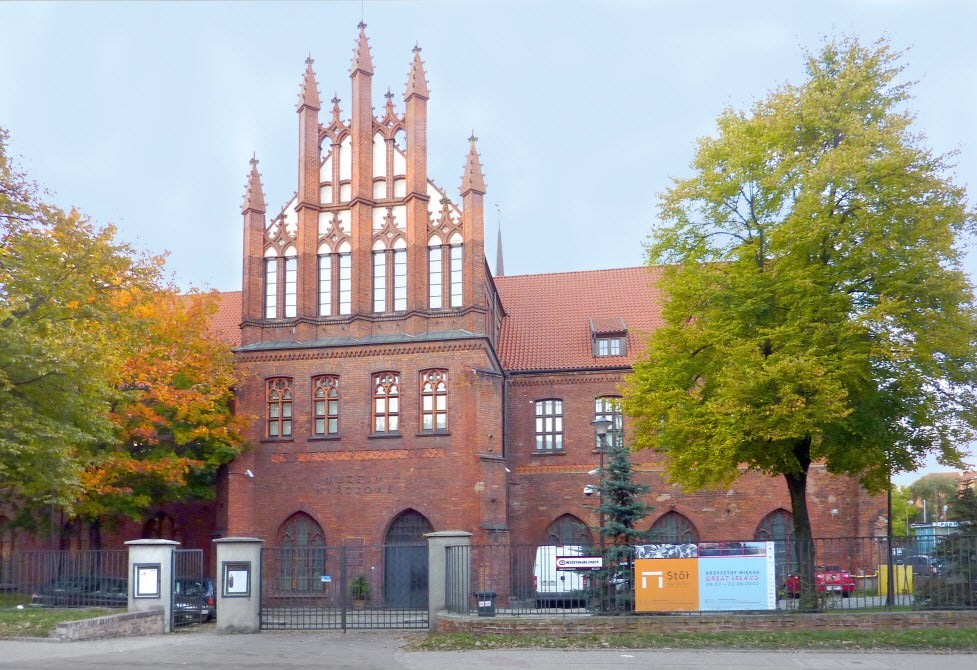
The National Museum in Gdańsk stands as a beacon of Polish artistic heritage, nestled within the serene walls of a beautifully preserved Franciscan monastery – a building itself steeped in history and architectural grandeur. Founded in 1972 after significant reconstruction following World War II, this museum isn't merely a repository of artworks; it’s a narrative woven through centuries of cultural evolution, offering visitors an unparalleled glimpse into Poland’s artistic soul.
Medieval Marvels: Echoes of the Early Netherlandish Period
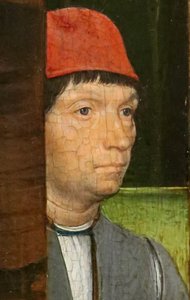
The museum’s core strength lies in its exceptional collection of medieval art, primarily focusing on masterpieces originating from the Early Netherlandish tradition. Among these treasures is undoubtedly Hans Memling's “Last Judgement,” a monumental triptych that dominates the Opatów Palace wing and captivates viewers with its breathtaking detail and profound theological symbolism. Created during Memling’s prolific period in Bruges, this artwork exemplifies the artistic sophistication of the era—characterized by meticulous realism, vibrant color palettes, and masterful compositional techniques—reflecting the intellectual fervor of the Renaissance's nascent stages. Its influence extends far beyond Gdańsk, shaping artistic sensibilities across Europe. The careful layering of pigments and glazing techniques employed by Memling’s workshop underscore the mastery of his time, demonstrating an understanding of scientific principles alongside aesthetic ideals.
Modern Art Amidst Historic Splendor: The Opatów Palace Legacy
Moving into the 20th century, visitors discover a compelling collection of modern art housed in the opulent Opatów Palace – a testament to Gdańsk’s enduring commitment to artistic innovation. This space showcases works by artists grappling with themes of social change and personal expression, mirroring the broader artistic currents of their time. Notably, Gdańsk's National Museum proudly displays pieces from Daniel II Schultz (1615-1683), a prominent Baroque painter who skillfully blended religious iconography with humanist ideals—a stylistic hallmark of his era and an inspiration for subsequent generations. The palette employed by Schultz – dominated by rich reds and golds – reflects the grandeur of Baroque aesthetics, conveying power and majesty through masterful brushstrokes and dramatic chiaroscuro effects.
Decorative Arts: Porcelain & Jewelry – Reflections of Craftsmanship
Beyond paintings, the museum delves into the realm of decorative arts, presenting exquisite collections of antique porcelain and jewelry. These objects offer tangible connections to Gdańsk’s rich mercantile past, illustrating the artistry and skill of craftsmen who catered to aristocratic tastes throughout the centuries. The meticulous glazing techniques employed in porcelain production—particularly those perfected during the Baroque period—demonstrate an understanding of scientific principles alongside aesthetic sensibilities. Similarly, jeweled creations exemplify the mastery of goldsmiths and gem cutters, showcasing intricate designs and precious stones that speak volumes about social status and artistic ambition. Examining these pieces allows visitors to appreciate not only their beauty but also the technological advancements that underpinned their creation.
A Story Told Through Stone & Canvas: Gdańsk’s Architectural Context
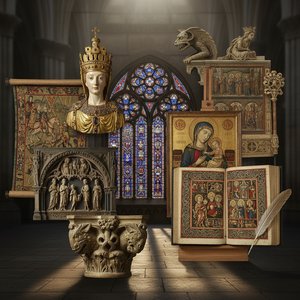
The museum's location within the historic Franciscan monastery contributes significantly to its overall experience. Constructed in the Gothic style during the medieval period, the building provides a tranquil setting for contemplation and appreciation of art—a deliberate choice reflecting Gdańsk’s historical identity as a center of faith and learning. The architectural grandeur of the monastery serves as a powerful reminder of Gdańsk’s past glories and underscores the museum’s mission to preserve cultural heritage for future generations. Its soaring arches, ribbed vaults, and stained glass windows evoke a sense of solemn beauty—a visual testament to the enduring spirit of medieval piety and artistic achievement.
Beyond Walls: Exhibitions & Ongoing Preservation
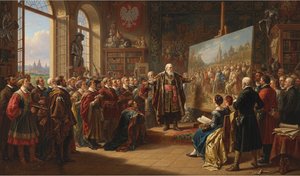
The National Museum in Gdańsk actively engages visitors with dynamic exhibitions exploring diverse artistic movements and themes—from Polish Romanticism to contemporary installations. Furthermore, its dedicated conservation laboratory ensures that Gdańsk’s artistic treasures endure through time, employing cutting-edge techniques to safeguard artworks against environmental degradation and preserving their visual integrity for posterity. Visiting the museum is more than just observing art; it’s embarking on a journey through Poland’s captivating history and celebrating its enduring artistic legacy.