A Journey Through Tyrolean Heritage: Exploring Tiroler Landesmuseum Ferdinandeum
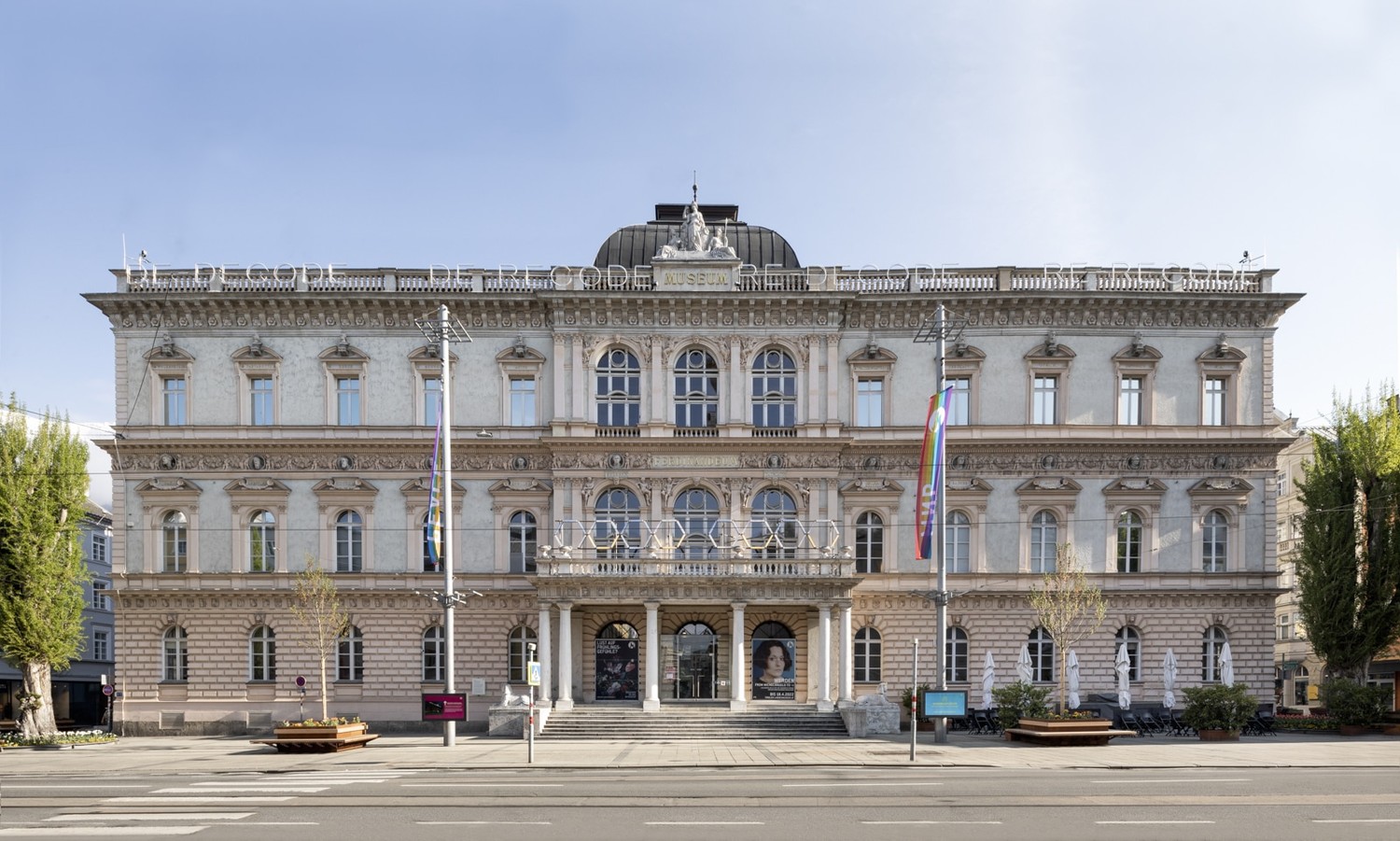
Nestled in the heart of Innsbruck’s historic center, Tiroler Landesmuseum Ferdinandeum stands as a beacon of Tyrolean artistic and cultural legacy—a repository not merely of objects but of narratives woven through centuries of Alpine history. Founded in 1823 by the Society for the State Museum of Tyrol Ferdinandeum, this institution has evolved into Innsbruck’s premier museum, offering visitors an unparalleled opportunity to immerse themselves in the region's rich past and artistic achievements.
A Kaleidoscope of Artistic Expression: The Collection Highlights
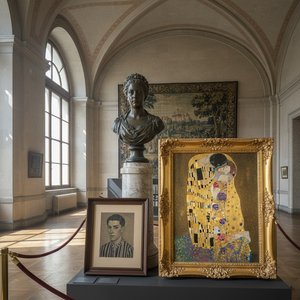
The museum’s collection is remarkably diverse, reflecting a profound understanding of regional identity and artistic innovation. At its core lies an impressive assemblage of art spanning the Romanesque and Gothic eras through to celebrated Modern masterpieces. Among the luminaries whose works grace these halls are Michael Pacher – renowned for his monumental altar panels embodying Alpine piety – Lucas Cranach der Ältere, famed for his portraits of humanist princes and biblical narratives; Rembrandt van Rijn, whose masterful use of chiaroscuro illuminates scenes of human drama; Joseph Anton Koch, celebrated for his idyllic landscapes capturing the beauty of Tyrol’s alpine vistas; Angelica Kauffman, a pioneering female artist who captivated audiences with her neoclassical portraits; Franz Defregger, known for his intricate sculptures reflecting Baroque grandeur; and Albin Egger-Lienz, whose expressive canvases embody Austrian folk art traditions. Furthermore, the museum houses a singular collection originating from The Netherlands, complemented by a captivating Music Room showcasing instruments crafted by Jakob Stainer – Innsbruck’s most illustrious lute maker – a legacy that continues to resonate today. Each piece tells a story—a testament to Tyrol's artistic spirit and its engagement with European cultural currents.
### Architectural Elegance: A Habsburg Legacy Preserved
The Ferdinandeum’s building complex underwent significant renovation in 2003, skillfully balancing preservation with contemporary functionality. Originally conceived as a society dedicated to safeguarding Tyrolean heritage, it now operates as a vital component of the Tyrolean State Museums Operating Company, overseeing several other regional museums and cultural sites. Its stately façade embodies Habsburg grandeur, reflecting Innsbruck’s role as imperial capital for centuries. The meticulous restoration ensured that the museum's original character remained intact while accommodating modern research facilities and visitor amenities. Visitors can admire the ornate Baroque interiors—a stunning reminder of Tyrol’s opulent past—and explore spaces designed to foster contemplation and scholarly inquiry.
### Echoes of History: From Medieval Roots to Modern Innovation
The Ferdinandeum’s history is inextricably linked to Innsbruck's own evolution from feudal principality to modern alpine republic. Established in 1823, it quickly became a focal point for Tyrolean intellectual life—hosting debates on art and science that shaped the region’s cultural landscape. Since 2007, it has been overseen by the Tyrolean State Museums Operating Company, bolstering its resources and expanding its reach beyond Innsbruck's borders. The museum actively participates in academic research, publishing “Scientific Yearbook of the Tyrolean State Museum” and "Tiroler Urkundenbuch," providing invaluable insights into Tyrolean history and culture—a commitment to knowledge that underscores its enduring significance.
### Beyond Static Displays: Engaging Visitors Through Artistic Dialogue
What truly distinguishes Tiroler Landesmuseum Ferdinandeum is its dedication to fostering dialogue between artists and scholars alike. Exhibitions regularly explore connections between Tyrol’s artistic heritage and broader European trends, prompting visitors to consider the complexities of cultural exchange and artistic innovation. Moreover, educational programs designed for children and adults aim to inspire curiosity and appreciation for art—a mission that reflects Innsbruck's commitment to nurturing creativity and fostering intellectual engagement.
### A Singular Treasure: The Music Room & Jakob Stainer’s Legacy
A unique feature of the Ferdinandeum is its Music Room—a testament to Tyrol’s musical tradition and a showcase for instruments crafted by Jakob Stainer – Innsbruck’s most illustrious lute maker. These exquisitely crafted instruments embody Alpine craftsmanship and represent a pivotal moment in European musical history. Exploring this room offers visitors an opportunity to connect with Tyrol's artistic heritage on a visceral level—a reminder that beauty transcends time and borders.