

A Sanctuary of Time: Unveiling Santa Maria delle Grazie
Santa Maria delle Grazie stands as a beacon of artistic achievement—a place where the echoes of Gothic grandeur intertwine seamlessly with the revolutionary spirit of the Renaissance, forever imprinted upon its walls. Established in 1463 by Duke Francesco I Sforza as a solemn tribute to Saint Mary of Miracles, this basilica swiftly transcended its initial role as a noble burial site, evolving into an unparalleled crucible for artistic innovation and spiritual contemplation.
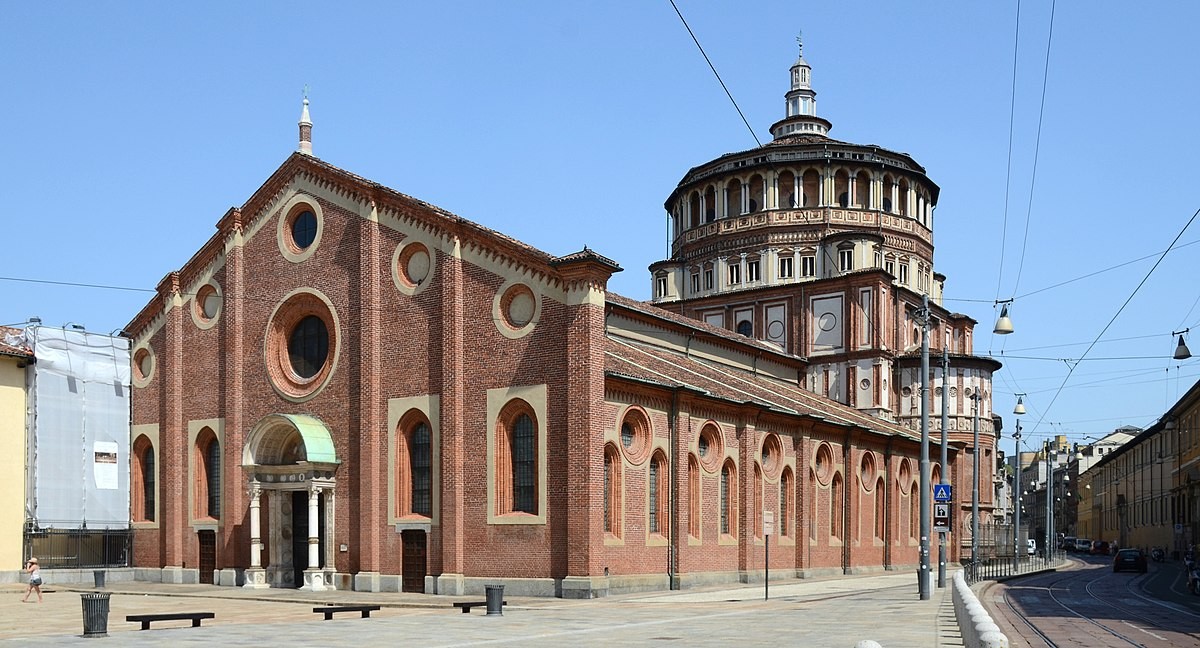
The church’s story begins with an ambitious vision: to construct a cathedral that would rival those found in the most illustrious European capitals. Initially conceived by Guiniforte Solari as a magnificent Gothic edifice—a soaring testament to faith and architectural prowess—the project swiftly embraced a transformative impulse under the guidance of Donato Bramante. Bramante’s genius wasn't merely an alteration; it was a complete reimagining, driven by the unwavering principles of classical harmony and proportion. The result is breathtaking—a harmonious fusion that solidified Santa Maria delle Grazie’s enduring legacy as one of Milan’s most treasured landmarks.
The nave itself remains a captivating reminder of Gothic ambition—its ribbed vaults reaching towards heaven with intricate detailing, while the apse and tribune are adorned with exquisite Corinthian columns and marble panels reflecting Bramante's masterful sculptural skill. This careful balance between tradition and innovation is what truly defines Santa Maria delle Grazie’s singular character.
Architectural Marvel: A Dialogue Between Styles
Santa Maria delle Grazie exemplifies the remarkable architectural dialogue that characterized the Renaissance—a testament to the enduring power of artistic inspiration. Notice the soaring nave, a magnificent Gothic achievement juxtaposed with the refined classical elements in the apse and tribune. This juxtaposition speaks volumes about the era’s intellectual curiosity and its desire to elevate art beyond mere ornamentation.
Historical Significance: From Cathedral Dreams to Sforza Patronage
Originally envisioned as a grand cathedral—a symbol of Milanese piety and civic pride—Santa Maria delle Grazie underwent a significant evolution under the patronage of the Sforza family. Their unwavering commitment ensured that the basilica continued to flourish as a prominent burial site, reflecting their influence on Milanese society.
The Heart of Artistic Innovation: Leonardo da Vinci’s *The Last Supper*
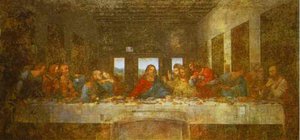
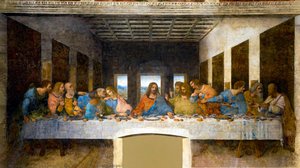
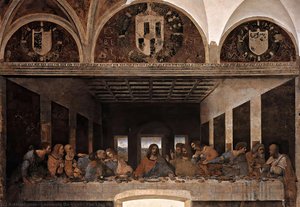
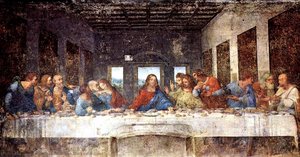
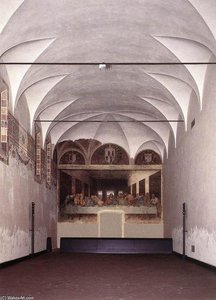
At the very core of Santa Maria delle Grazie resides an artistic masterpiece that continues to captivate audiences centuries after its creation—Leonardo da Vinci’s *The Last Supper*. Painted between 1495 and 1498, this monumental fresco transcends mere depiction; it delves into the depths of human emotion, psychology, and the elusive nature of time. Da Vinci's revolutionary use of *sfumato*—a subtle blurring of lines and colors—imbues the figures with an unprecedented sense of realism and immediacy.
Beyond Masterpiece: A Tapestry of Artistic Treasures
Beyond *The Last Supper*, Santa Maria delle Grazie houses a wealth of other remarkable artworks that illuminate the diverse artistic landscape of the Renaissance. Gaudenzio Ferrari’s frescoes in the Chapel of the Holy Crown offer a vibrant visual narrative of Christ's suffering—a testament to Ferrari’s distinctive stylistic flair. Bernardo Zenale’s contributions enrich the church’s aesthetic experience with intricate details and symbolic imagery.
Furthermore, Benedetto Briosco’s sculptures—particularly the poignant funerary monuments adorning the tombs of Milanese nobility—demonstrate the exceptional sculptural skill prevalent during this period. These works collectively contribute to Santa Maria delle Grazie's unparalleled artistic heritage.
Today, Santa Maria delle Grazie stands as a UNESCO World Heritage site—a testament to its universal value and an enduring symbol of Milanese culture. Its exterior exudes Renaissance grandeur—a reflection of Bramante’s visionary ambition and the dedication of generations of conservators. Adjacent to the basilica is the Dominican Cultural Centre, which hosts engaging exhibitions exploring themes related to spirituality, art history, and Milanese identity.