


A Heartland Sanctuary: The Nelson-Atkins Museum of Art
Nestled within the vibrant heart of Kansas City, Missouri, the Nelson-Atkins Museum of Art isn’t merely a repository for artistic treasures; it's a living testament to vision, philanthropy, and the enduring power of art to shape communities. Founded in 1933 by the remarkable couple William Rockhill Nelson, a visionary railroad magnate, and Mary McAfee Atkins, a dedicated educator—a bequest that poured the entirety of Nelson’s vast estate into fostering artistic appreciation for generations to come—the museum arose from an extraordinary legacy. This initial endowment, coupled with Mrs. Atkins' foresight, laid the foundation for a collection that has since grown to encompass over 34,500 works spanning five millennia and virtually every corner of the globe. More than just its impressive size, however, it’s the museum’s deeply ingrained commitment to accessibility—its remarkably free admission policy—that truly distinguishes it as a beacon of cultural inclusivity, inviting all to experience the profound beauty and intellectual stimulation art offers.
The Story of Nelson & Atkins: A Legacy Forged in Vision
The tale of the Nelson-Atkins begins with William Rockhill Nelson, whose boundless ambition extended far beyond the rails—he dreamed of creating a space where beauty could inspire and knowledge could flourish. Joined by Mary McAfee Atkins, a passionate advocate for education and artistic understanding, he established what would become one of America’s premier art institutions. Their unwavering belief in the transformative potential of art fueled their determination to assemble a collection that reflected humanity's diverse cultural heritage—a mission they pursued with unparalleled dedication.
Architectural Harmony: Beaux-Arts Grandeur Meets Modern Innovation
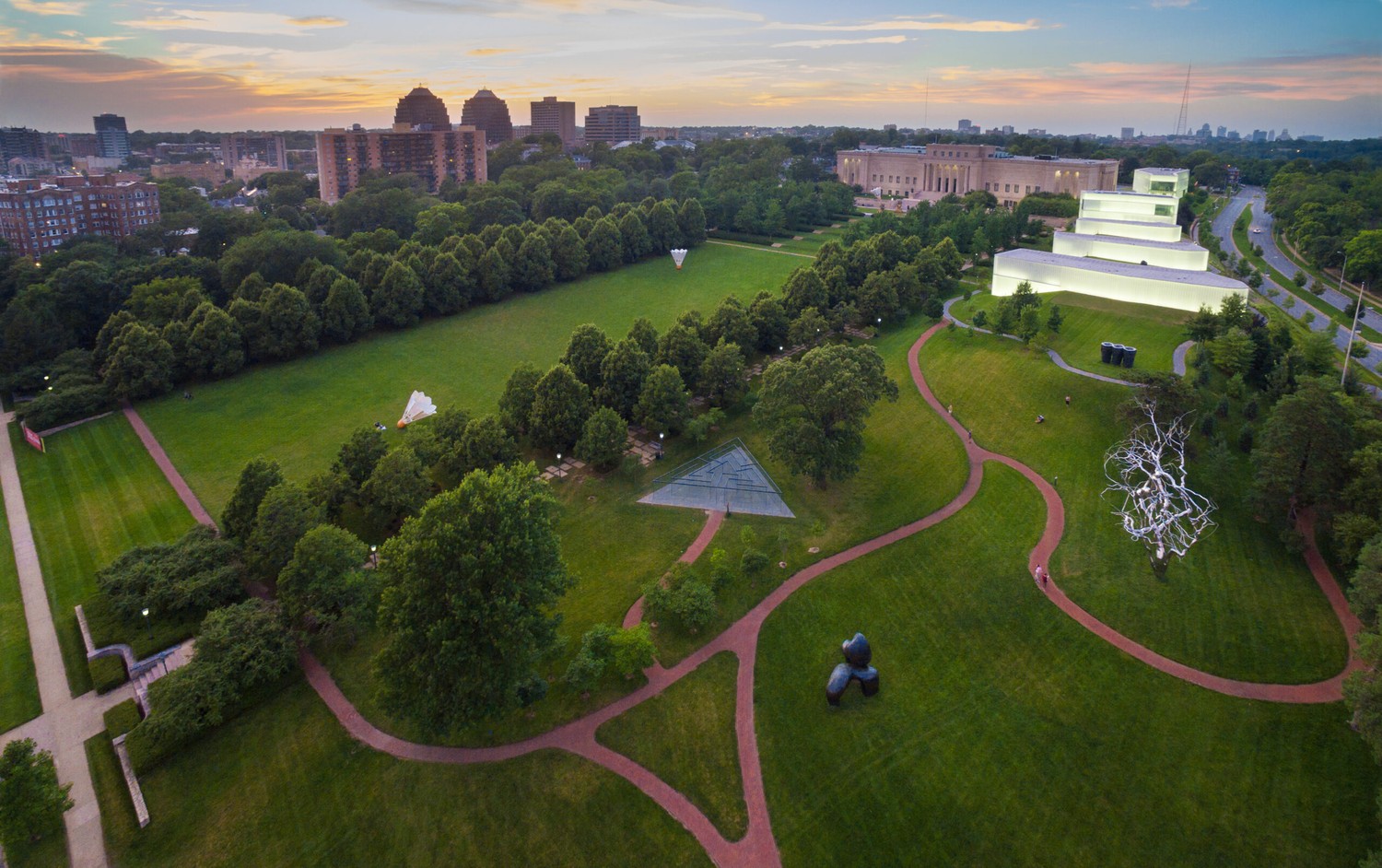
The museum’s architectural narrative unfolds in two distinct chapters. The original building, conceived by Wight and Wight in 1933, embodies the grandeur of Beaux-Arts architecture—a style characterized by its monumental scale, symmetrical design, and meticulous ornamentation. Its classical proportions evoke a sense of timeless elegance, transporting visitors to a realm of artistic reverence. Terraces cascading down towards Brush Creek, originally envisioned as tranquil outdoor spaces for contemplation, now serve as vibrant extensions of the museum’s collection, hosting seasonal exhibitions and offering breathtaking vistas of Kansas City's landscape. However, the Nelson-Atkins’ story didn’t end there; in 2007, Steven Holl Architects introduced the Bloch Building—a strikingly modern structure that stands in deliberate contrast to its predecessor. This bold addition utilizes translucent “lenses” to flood galleries with natural light, fostering contemplation and celebrating architectural brilliance – earning it recognition as one of *Time* magazine’s best new buildings.
Collection Highlights: Icons Across Time & Culture
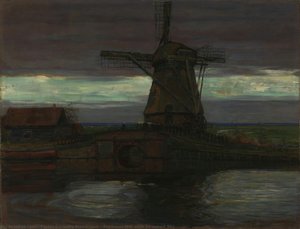
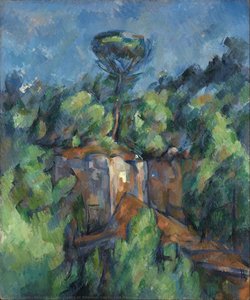
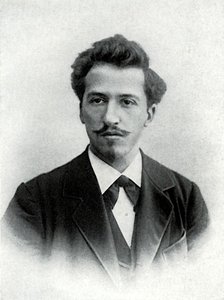
Prepare to be mesmerized by masterpieces spanning millennia! The Nelson-Atkins boasts an unparalleled collection of Asian art—Chinese landscapes rendered with exquisite detail, Indian sculptures embodying spiritual power, and Japanese prints capturing fleeting moments of beauty. Within the European galleries, you’ll discover Renaissance treasures alongside Impressionist delights, providing a comprehensive overview of Western artistic history. Don't miss iconic artworks such as Caravaggio’s *Saint John the Baptist in the Wilderness*, a dramatic portrayal of faith and solitude; Piet Mondrian’s *Passion Flower*, a seminal work of early 20th-century abstraction that revolutionized visual perception.
Beyond Walls: Engaging Kansas City & Inspiring Generations
The Nelson-Atkins Museum isn't simply about preserving art—it’s about fostering dialogue and enriching the lives of its visitors. Its commitment to accessibility extends beyond free admission, encompassing accessible facilities, multilingual resources, and a welcoming environment for diverse audiences. Regular events, lectures, and family activities cultivate artistic appreciation among people of all ages, cementing the museum's role as a cornerstone of Kansas City’s cultural landscape—a place where art continues to inspire creativity and understanding for generations to come.