



A Symphony of Concrete and Light: Exploring the Oscar Niemeyer Museum in Curitiba
Nestled within the verdant embrace of Curitiba, Brazil—a city renowned for its innovative urban planning and commitment to sustainability—the Oscar Niemeyer Museum stands as a singular achievement in architectural thought and artistic expression. More than just a repository of Brazilian visual arts, it’s an immersive experience; a dialogue between audacious form, purposeful function, and the indelible legacy of its visionary creator, Oscar Niemeyer himself.
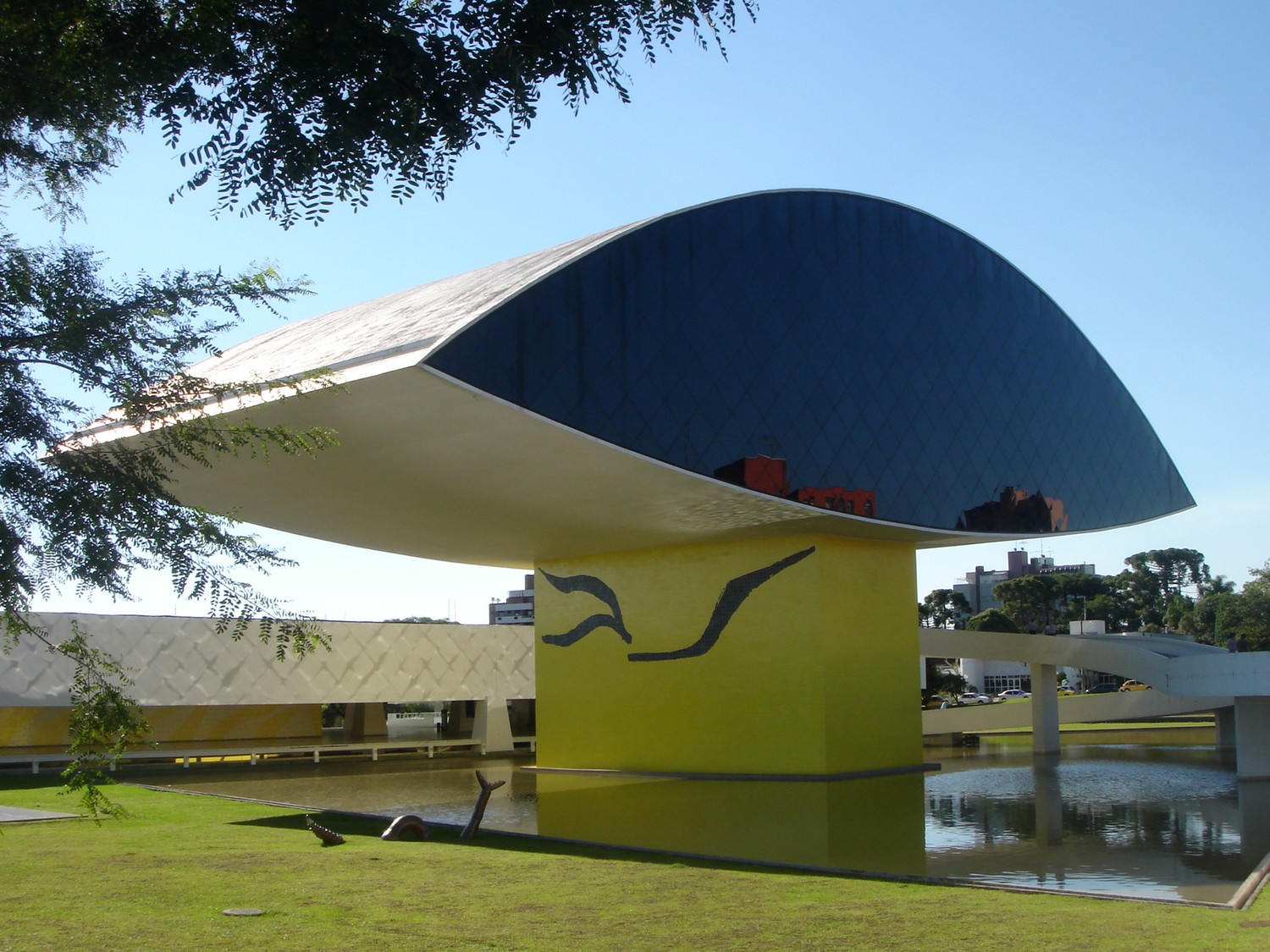
Officially named Museu Oscar Niemeyer (MON), affectionately dubbed “The Eye Museum” due to its striking annex—a soaring structure resembling a human eye—this cultural landmark invites visitors on a journey through Brazilian artistic heritage and international trends, all housed within a space that itself is a breathtaking testament to architectural ingenuity. The museum’s very existence embodies Niemeyer's core philosophy: to create spaces that are not merely functional but profoundly evocative, stimulating both the intellect and the senses.
The Heart of Innovation: Two Distinct Buildings
The heart of MON lies in its two distinct buildings. The original structure, inaugurated in 1967, is a masterclass in modernist design, primarily constructed from reinforced concrete—a material Niemeyer championed as embodying both strength and elegance. Its bold geometric forms and sculptural volumes seem to defy gravity, creating an atmosphere of purity and openness that allows the artwork within to take center stage.
The deliberate choice of white concrete generates a dynamic interplay of light and shadow, inviting contemplation and offering surprising moments of visual delight through its undulating ramps and expansive spaces—a conscious rejection of traditional architectural conventions. This monumental building isn’t simply a structural marvel; it's a carefully orchestrated dance between the natural world and human creation.
The “Eye” – A Celebration of Organic Forms
However, the true heart of the museum experience resides in its distinctive annex—the “Eye.” Completed in 2003, this soaring structure, rising an impressive 30 meters above a tranquil reflecting pool, is arguably Niemeyer’s most audacious creation. Constructed from glass and steel, it dramatically contrasts with the solidity of the main building, creating a powerful visual juxtaposition.
The design cleverly utilizes natural light, flooding the interior spaces with an ethereal glow that enhances the artwork on display—a deliberate nod to Niemeyer's lifelong fascination with curves and fluid forms inspired by nature. This addition wasn’t simply about expanding space; it was a statement of innovation, pushing the boundaries of architectural possibility and solidifying Niemeyer’s reputation as a true visionary.
A Kaleidoscope of Artistic Expression
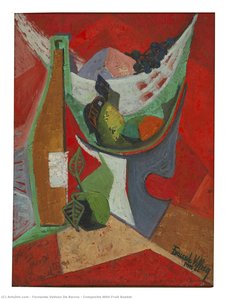
Within MON's walls unfolds a remarkable tapestry of artistic disciplines—over 14,000 works spanning visual arts, architecture, and design. Visitors can explore paintings by masters like Tarsila do Amaral and Di Cavalcanti—artists who embraced the modernist aesthetic—alongside sculptures by renowned artists from Brazil and beyond.
The collection isn’t limited to traditional painting and sculpture; it includes ceramics, textiles, furniture, and architectural models, providing a holistic view of artistic expression across various mediums. Notably, MON showcases Niemeyer's own architectural work, examining his innovative approach to space and form—a testament to his profound understanding and appreciation for the rich history of architecture.
A Legacy of Inspiration
MON continues to inspire visitors with its stunning garden designed by Roberto Burle Marx—Niemeyer’s longtime collaborator—creating a harmonious blend of art and nature. Regularly hosting lectures, film screenings, and performances, MON serves as a catalyst for cultural exchange and intellectual stimulation.