
Why did Raphael create the triumph of galatea?
 The Triumph of Galatea
, Raphael
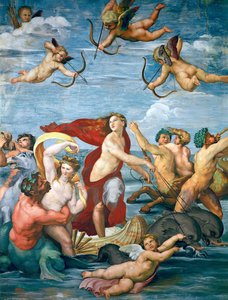
Raphael created The Triumph of Galatea to depict the mythological apotheosis of the Nereid Galatea. The fresco serves as a celebration of divine beauty and movement, moving away from the tragic elements of the myth to focus on the nymph's celestial elevation and the harmonious power of nature.
The work is a fresco measuring 295 cm × 225 cm. It is a cornerstone of the High Renaissance style, characterized by dynamic composition and complex color blending. Raphael utilized the theme to demonstrate his ability to synthesize classical mythology with the sophisticated artistic principles of the early 16th century.
Key technical aspects of the work include:
- Subject: Mythological apotheosis of the sea-nymph Galatea.
- Style: High Renaissance with classical and Mannerist influences.
- Technique: Fresco with advanced perspective and color blending.
Who commissioned the fresco and for what purpose?
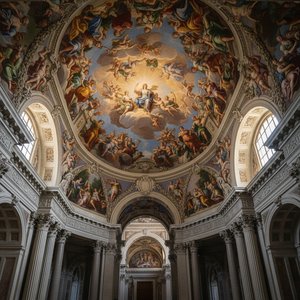
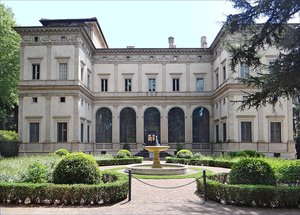 Villa Farnesina
Discover Villa Farnesina in Rome: a Renaissance masterpiece brimming with frescoes by Raphael & Peruzzi! Explore classical mythology, humanist ideals, and breathtaking architecture at Agostino Chigi's opulent retreat. Plan your visit today!
Agostino Chigi commissioned the fresco to decorate the open gallery of his villa in Rome. As a wealthy Sienese banker, Chigi intended the work to serve as a centerpiece for his collection, reflecting his immense status, intellectual interests, and his desire for a lavish private retreat.
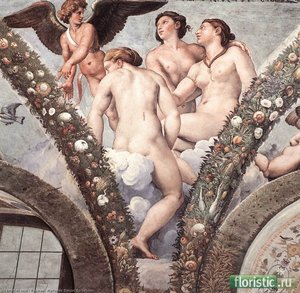
The fresco is located in the Villa Farnesina, a residence designed by Baldassarre Peruzzi. The commission was part of a larger decorative program for the villa, which included the Loggia of Cupid and Psyche. The series of frescoes was intended to embellish the walls and create a seamless integration between architecture and art.
The context of the commission suggests several specific purposes:
- Decoration: To embellish the open gallery of the Villa Farnesina.
- Status: To showcase the wealth and cultural sophistication of Agostino Chigi.
- Celebration: To celebrate the marriage of Chigi and Francesca Ordeaschi.
What mythological stories are depicted in the work?
The fresco depicts the mythological apotheosis of the Nereid Galatea. Rather than illustrating the tragic death of the shepherd Acis, Raphael focused on the scene of Galatea's divine transformation, inspired by the "Stanzas on the Tournament" by the poet Angelo Poliziano.
The composition features several mythological figures and creatures:
- Galatea: The central sea-nymph riding a shell-chariot drawn by two dolphins.
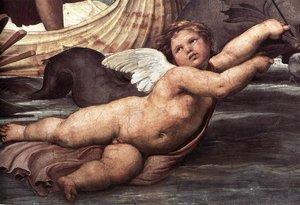
- Tritons: One man-fish abducts a sea nymph, while another uses a shell as a trumpet.
- Sea Creatures: A variety of forms inspired by the works of Michelangelo.
How does the painting reflect High Renaissance ideals?
The painting reflects High Renaissance ideals through its emphasis on harmonious balance, ideal beauty, and the revival of classical forms. Raphael sought to represent not just physical perfection, but also the virtues of grace and spiritual perfection through the figure of Galatea.
The work demonstrates the humanist interest in blending mythological storytelling with rigorous artistic principles. The presence of putti scattering flowers symbolizes fertility and prosperity, which were central values of the era. The composition achieves a sense of movement and order that defines the period's aesthetic.
The visual elements include:
- Idealism: The representation of beauty as a concept rather than a specific person.
- Humanism: The integration of Greek mythology into contemporary Roman life.
- Composition: A sophisticated use of perspective and dynamic, balanced movement.
Frequently asked questions
Where is this fresco located?
The fresco is located in the Villa Farnesina in Rome.
What are the dimensions of the artwork?
The artwork measures 295 cm × 225 cm.
When was this painting created?
The work is dated between 1512 and 1514.
What is the style of the painting?
The painting features a dynamic composition and color blending.
Learn more
- RaphaelThe Triumph of Galatea reproduction optionsView available sizes and custom reproduction specifications for this masterpiece.
- Raphael · 1514The Triumph of Galatea technical detailsReview technical specifications, movement classification, and quick facts for this work.