



Melbourne’s Shrine of Remembrance: A Monument to Courage and Reflection
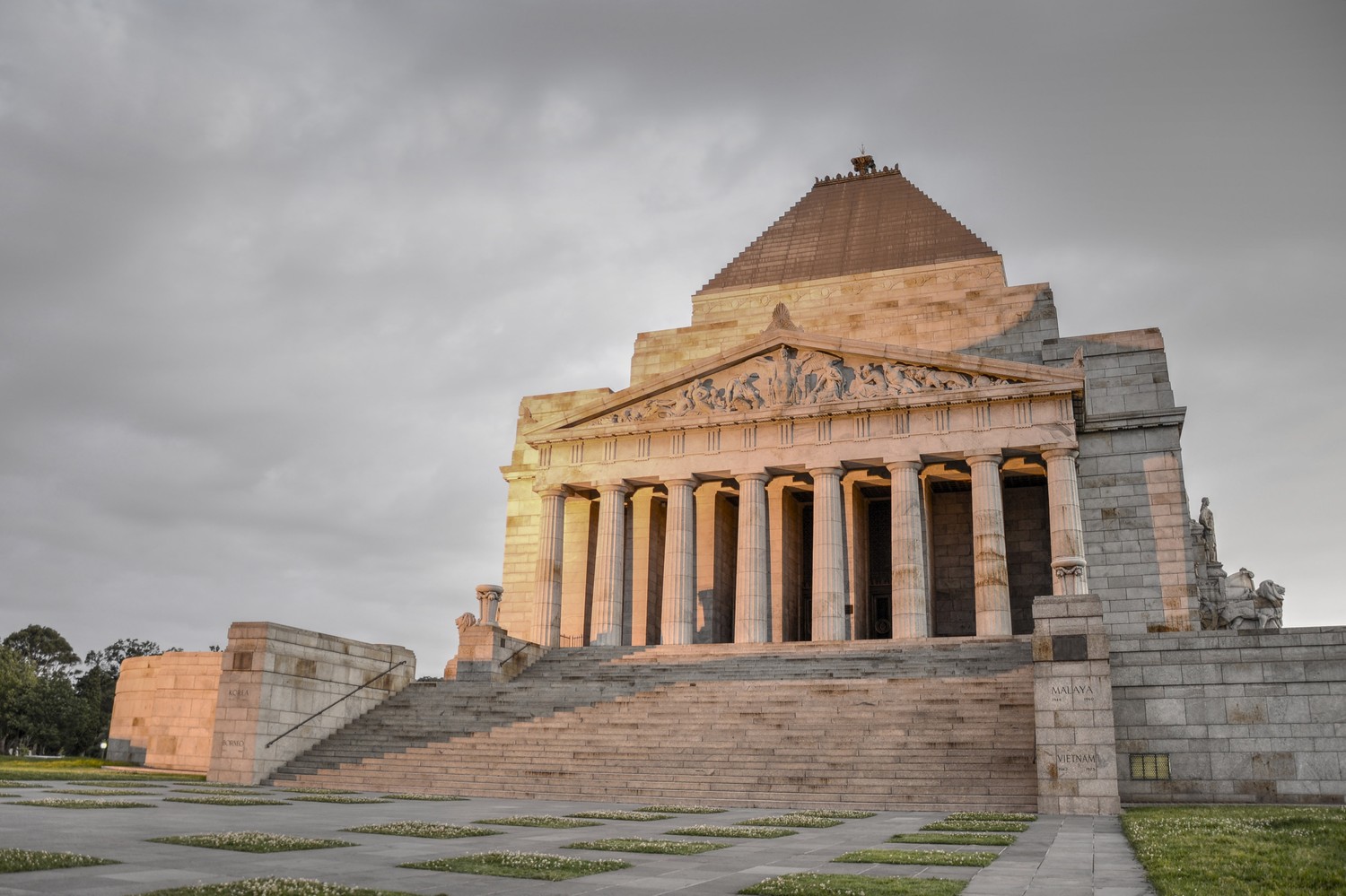
Melbourne’s Shrine of Remembrance isn't simply a building; it’s an experience – a profound journey into Australia’s history, sacrifice, and enduring spirit. Nestled within Kings Domain, this imposing structure rises from the city landscape like a classical temple dedicated not to gods, but to the men and women who have served their nation in war and peacekeeping operations. Its design, deeply rooted in ancient Greek architecture, draws inspiration from the legendary Tomb of Mausolus at Halicarnassus and the majestic Parthenon of Athens, yet it’s imbued with a distinctly Australian character – a testament to both artistic ambition and profound civic values.
The story behind the Shrine is as compelling as its appearance. Born in the immediate aftermath of World War I, it arose from a collective desire to create a tangible tribute to Victoria's fallen soldiers. Initially conceived as a simple arched monument, the design quickly evolved under the guidance of visionary architects Phillip Hudson and James Wardrop, both veterans of the Great War. Their ambition was to craft more than just a memorial; they sought to build a space for contemplation, a place where visitors could connect with the weight of history and honor the legacy of those who had given their lives in service.
The construction process itself was marked by challenges and triumphs. The winning design faced opposition from segments of Melbourne society, reflecting the economic hardships of the era. However, Sir John Monash’s unwavering determination – fueled by a deep commitment to establishing a national memorial – ultimately secured its realization. The Anzac Day march and subsequent governmental support proved decisive, culminating in the cornerstone laying ceremony on November 11th, 1927, a symbolic date commemorating Armistice Day, and the official opening on November 11th, 1934.
Architectural Majesty and Artistic Detail
The Shrine’s architecture is a breathtaking blend of classical grandeur and subtle artistry. Constructed primarily from Tynong granite – quarried over 100 kilometers west of Melbourne – the building exudes strength and permanence. The central sanctuary, encircled by an ambulatory, creates a sense of spaciousness and invites quiet reflection. Dominating the skyline is the soaring ziggurat roof, culminating in a striking element referencing Lysicrates’ Choragic Monument – a deliberate nod to timeless ideals of heroism and artistic achievement. Every detail, from the meticulously carved stone panels to the precisely positioned apertures allowing sunlight to illuminate the “Love” inscription on the Stone of Remembrance, speaks to the dedication and skill of its creators.
Beyond its monumental scale, the Shrine’s artistry lies in its subtle nuances. The intricate carvings depict scenes from Australian military history, while the needlework by Beryl Christina Woodhall offers poignant glimpses into the lives of those who served. Paul Raphael Montford's sculptures, including the iconic *Spirit of Anzac*, capture the spirit of Australia’s wartime experience with remarkable emotional depth. Eva Ellenor Benson’s portraiture and figure studies add further layers to the memorial’s narrative, reminding us of the human cost of conflict.
A Living Memorial: Ceremony and Ongoing Significance
What truly distinguishes the Shrine from conventional memorials is its role as a vibrant space for ongoing remembrance. It serves as the focal point for Anzac Day (April 25th) and Remembrance Day (November 11th), attracting thousands of visitors each year. The annual illumination of “Love” on Remembrance Day – a beam of light shining through an aperture in the roof – transforms sunlight into a beacon of hope amidst solemnity, embodying the Shrine’s core mission: ensuring that remembrance remains a living process.
Regular tours offer insights into the Shrine's history, architecture, and artistic details. Extensive exhibitions delve into Australia’s military involvement in conflicts around the world, providing valuable context for understanding the memorial’s significance. The Shrine also hosts a variety of events, including talks, workshops, and performances, fostering dialogue and preserving Australia’s heritage for future generations.
Exploring the Shrine Today
Today, the Shrine of Remembrance remains a vital center for reflection and education in Melbourne. Its website (shrine.org.au) provides detailed information on upcoming events, tours, and educational programs, making it accessible to visitors from across Australia and around the world. A visit to the Shrine is more than just a commemoration; it’s an opportunity to connect with Australia's past, honor its heroes, and contemplate the enduring values of courage, sacrifice, and remembrance – a powerful reminder of the sacrifices made in defense of freedom.
Additional Resources: