
A Sanctuary of Spirit and Stone
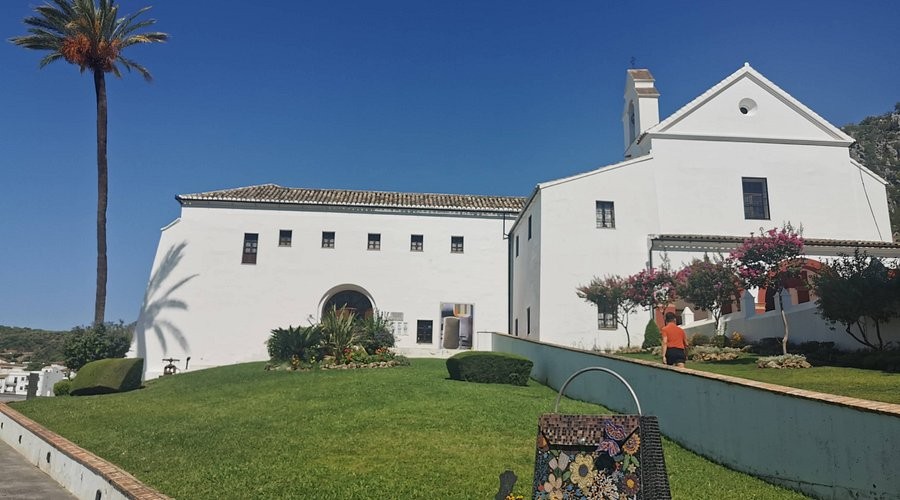
Nestled within the vibrant, pulsing tapestry of Madrid’s cultural landscape lies Capuchinos , a convent that transcends the mere definition of an architectural structure to embody centuries of faith, artistic devotion, and evolving Spanish history. More than just a building, this historic enclave offers visitors an immersive journey into the very heart of Iberian religious art and design. Established in the 17th century as a Capuchin monastery, its walls have witnessed the profound transformation of Madrid from a medieval stronghold into a modern metropolis, absorbing the stylistic shifts of Mannerism and Neoclassicism into its very foundation. To walk through its doors is to step into a living chronicle of devotion, where every stone whispers tales of royal decrees, religious reforms, and the enduring legacy of the Capuchin Order.
The architectural grandeur of Capuchinos is anchored in the Baroque period, presenting a breathtaking display of Spanish ecclesiastical aesthetics. The edifice showcases masterful craftsmanship, with a facade adorned by intricate carvings that depict poignant biblical scenes, reflecting the profound influence of religious iconography on artistic expression. Inside, the atmosphere is one of ethereal beauty, particularly when the sunlight filters through exquisite stained-glass windows, bathing the interior in a celestial glow. This interplay of light and shadow creates a dramatic stage for the convent's most revered treasures.
Sacred Artistry and Serene Refuges
The spiritual heart of the convent is found in its most profound artistic achievements, most notably the Cristo de la Paciencia . This sculpture, a masterpiece of compassion and serenity, commands the viewer's attention with its emotive power, standing as a beacon of spiritual artistry recognized throughout Spain and internationally. The collection within these walls reflects the spiritual fervor of generations past, offering a remarkable assemblage of artworks that invite deep contemplation.
For the discerning visitor, the experience extends into the tranquil realms of the serene cloister gardens, offering a much-needed respite from the city's relentless bustle. This intimate space encourages deep reflection on art, faith, and the passage of time, making it a sanctuary for those seeking quiet contemplation. There is also a fascinating, unexpected dialogue between the sacred and the secular here; the convent’s connection to the nearby Museo del Ferrocarril de Madrid —specifically through its proximity to the historic Talgo II locomotive—illustrates how art, history, and technology can intertwine within the urban fabric of Madrid. Whether one is an art lover seeking spiritual resonance, a collector drawn to Baroque mastery, or an interior designer searching for inspiration in classical elegance, Capuchinos offers an unforgettable encounter with the enduring soul of Spain.