
A Legacy Forged in Light and Stone: The National Gallery of Victoria
Melbourne’s heart beats with a rhythm deeply intertwined with art – and at its very core stands the National Gallery of Victoria, or NGV. More than just a repository of masterpieces, it's a living chronicle of Australia’s journey, a testament to cultural ambition, and a vibrant conversation spanning centuries and continents. Founded amidst the feverish excitement of the gold rush era in 1861, the NGV began as a modest collection of plaster casts, offering a vital connection to Europe’s artistic heritage for a young colony eager to establish its own identity. Today, it has blossomed into an institution of breathtaking scale and depth, housing over seventy-six thousand works – a dazzling mosaic reflecting both Australian creativity and the global tapestry of human expression.
A Building That Speaks Volumes
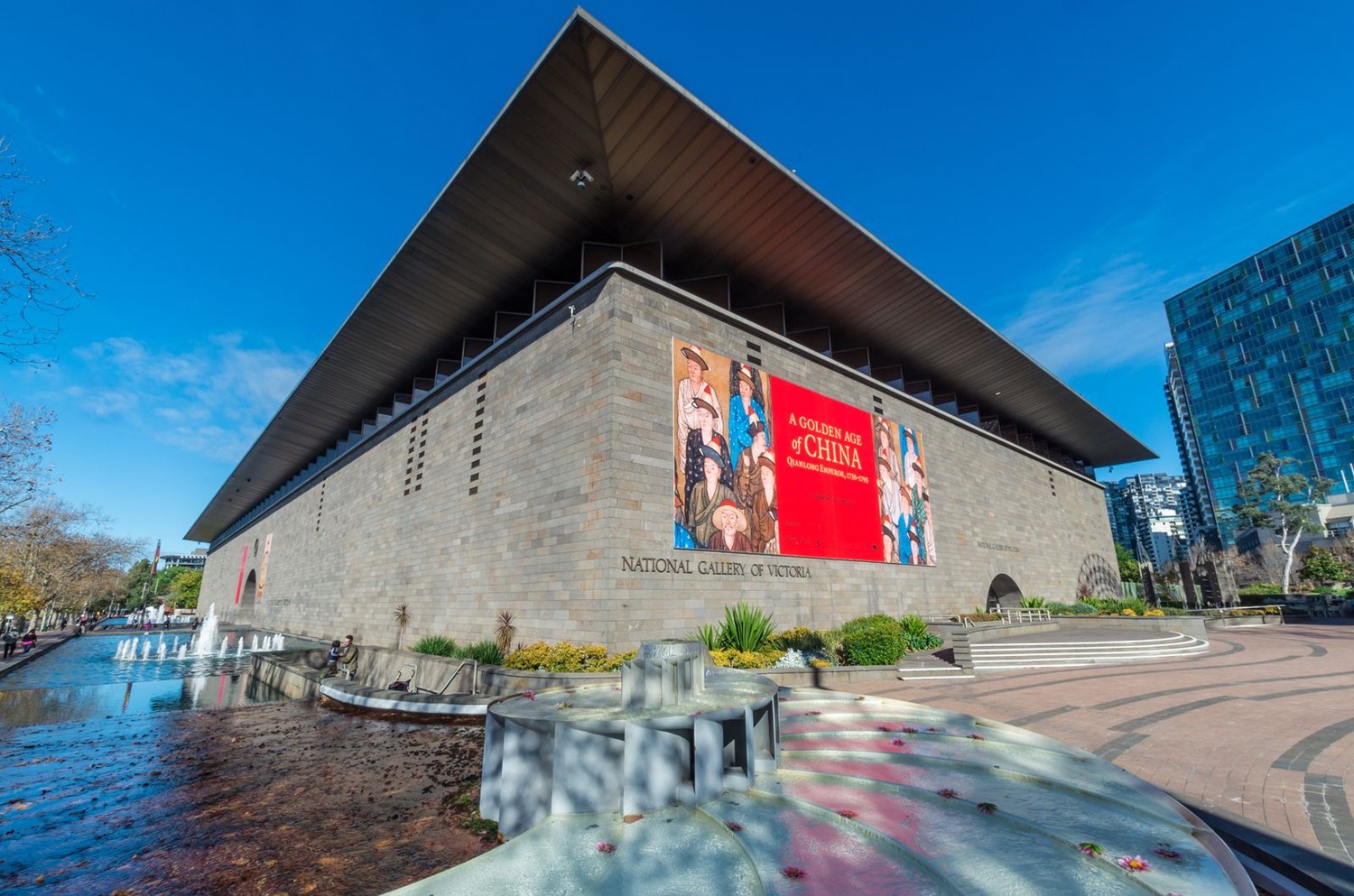
The NGV’s story is inextricably linked to its architecture. The International wing, designed by the visionary Sir Roy Grounds and later lovingly reimagined by Mario Bellini, immediately commands attention. Its layered spaces are a deliberate choreography, guiding visitors through an immersive journey through artistic epochs, bathed in the generous glow of natural light – a conscious decision to foster a profound connection with each piece. The soaring ceilings, expansive windows, and meticulously considered circulation patterns create an atmosphere that is both grand and intimate, a space where one can truly lose themselves within the narratives of art. Juxtaposed against this monumental structure stands The Ian Potter Centre: NGV Australia at Federation Square, a strikingly modern counterpoint designed by Lab Architecture Studio. Its geometric forms and use of glass embody the dynamism of Australian art, offering a powerful dialogue between tradition and innovation – a deliberate reflection of the gallery’s commitment to showcasing both international and domestic talent.
A Kaleidoscope of Artistic Voices
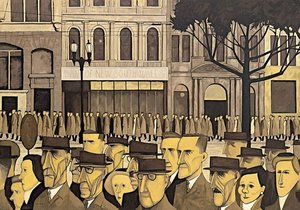
The NGV's collection defies simple categorization, revealing an unwavering dedication to representing diverse artistic voices. From Hugh Ramsay’s hauntingly introspective portraits capturing the melancholy of Australia finding its voice – works that powerfully document the transition from colonial outpost to independent nation – to Kusakabe Kimbei’s pioneering Japanese photography and Rupert Charles Wulsten Bunny’s luminous Australian paintings celebrated in Paris, the gallery champions artists from a vast spectrum of backgrounds and traditions. The collection isn't merely a chronological survey of Western art; it actively seeks out narratives often overlooked by mainstream institutions, highlighting Indigenous Australian art practices, celebrating the contributions of women artists, and showcasing the artistic innovations of cultures beyond Europe and North America. Recent exhibitions exploring contemporary Indigenous art practices, for instance, have been particularly impactful, offering vital insights into Australia’s complex history and ongoing cultural dialogue – a poignant reminder that the NGV is not just preserving the past but actively engaging with its present.
Notable Exhibitions & Ongoing Dialogue
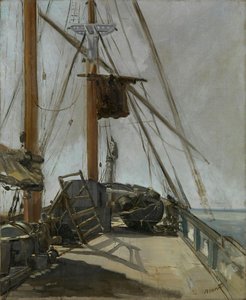
The gallery consistently strives to engage with the most pressing questions of our time, using art as a catalyst for critical reflection and dialogue. Guided tours illuminate the collection’s highlights and historical context, fostering a deeper understanding of artistic significance. Currently, “The House at Rueil,” by Édouard Manet, alongside Kimbei’s photographic albums and Bunny’s idyllic landscapes, exemplifies the gallery’s dedication to both international and domestic talent. These exhibitions demonstrate the NGV's ability to seamlessly weave together diverse narratives, creating a rich and layered experience for visitors – an invitation to contemplate not only the beauty of art but also its power to shape our understanding of the world. The NGV regularly hosts thought-provoking lectures, artist residencies, and community engagement programs, solidifying its role as a vital cultural hub.
Beyond the Walls: A Holistic Approach
What truly distinguishes the NGV is its holistic approach to art appreciation – a space for contemplation, discovery, and inspiration. It’s a cultural cornerstone where art breathes life into history, prompting visitors to engage in meaningful dialogue about human experience. The gallery's commitment extends far beyond simply displaying artworks; it actively fosters community engagement through educational programs, public lectures, and artist residencies. The NGV recognizes that art is not confined to the museum walls but rather exists as a vital part of the broader cultural landscape, contributing to the vibrancy and intellectual life of Melbourne and Australia. The gallery’s dedication to accessibility ensures that everyone can experience the transformative power of art, regardless of their background or expertise – a testament to its enduring mission to connect people with the world through the universal language of art.