
A Symphony of Stone and Scandal: The Heart of Palermo
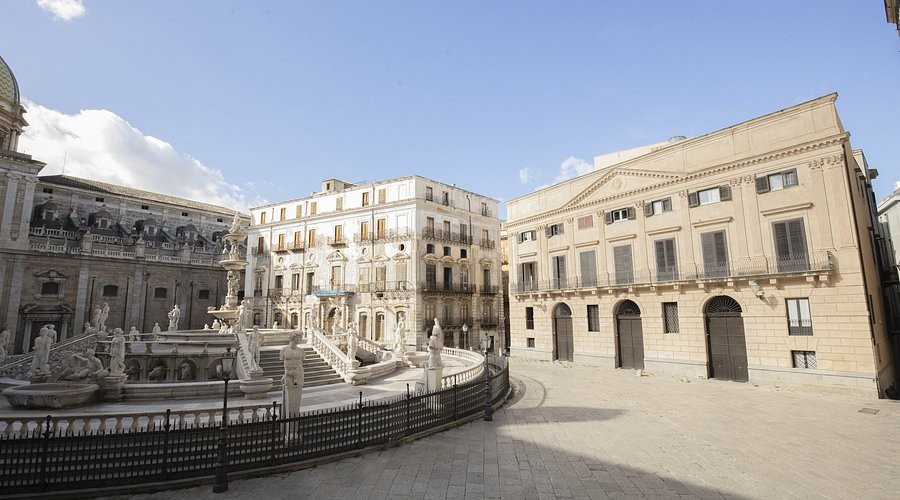
In the vibrant, sun-drenched labyrinth of Palermo, where the salt air of the Mediterranean meets the ancient echoes of Sicilian history, lies a square that defies simple categorization. Piazza Pretoria is far more than a mere urban intersection; it is a theatrical stage where Renaissance grandeur and Baroque drama perform an eternal duet. To wander into this space is to step into a narrative punctuated by audacity and aesthetic rebellion. The square serves as a profound testament to the city's historical ambition, a place where the very stones seem to whisper tales of political prestige, architectural metamorphosis, and a scandalous past that once scandalized the most pious of onlookers.
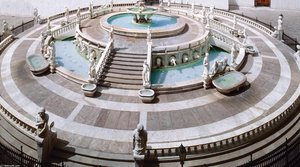
The true soul of the piazza resides in its breathtaking centerpiece, the Fontana Pretoria . This monumental masterpiece, a marvel of late Renaissance sculpture, possesses a history as dramatic as its imagery. Originally conceived in 1554 by the master sculptor Francesco Camilliana for the Palace of San Clemente in Florence, the fountain found its true destiny in Palermo when it was purchased and transported here in 1573. Its arrival was nothing short of an urban revolution, requiring the demolition of existing homes to accommodate its sheer scale. The fountain’s design is a complex tapestry of mythological figures, featuring sixteen nude statues of nymphs, mermaids, and satyrs that dance amidst cascading waters. This provocative display of heroic nudity earned it the enduring, whispered moniker “The Fountain of Shame” ( Fontana della Vergogna ), as its unabashed celebration of the human form challenged the rigid moral sensibilities of the era.
Architectural Grandeur and the Belle Époque
Surrounding this aquatic spectacle is an architectural ensemble that captures the shifting tides of Sicilian elegance. The square is framed by a collection of historic structures that lend the space its aristocratic weight, including the Praetorian Palace , the town hall, and the Church of St. Catherine . Most notable among these is the Palazzo Bonocore , a jewel of the Belle Époque era. Constructed in 1895, this magnificent edifice stands as a monument to Palermo’s golden age of cultural dynamism. Its exquisite Baroque ornamentation and opulent interiors offer a glimpse into a period of unparalleled luxury and artistic flourishing.
For the art lover and the connoisseur of fine detail, Piazza Pretoria offers a sensory experience that transcends mere sightseeing. The interplay of light on the marble figures and the rhythmic sound of flowing water create a serene yet powerful atmosphere, perfectly captured in works such as Ettore Maria De Maria Bergler's “Swans in the Fountain of Piazza Pretoria.” This romantic realism brings a sense of tranquil beauty to the fountain’s complex iconography. Whether one is an interior designer seeking inspiration from the intricate Baroque motifs or a historian tracing the lineage of Renaissance sculpture, this landmark remains an unparalleled destination where history breathes through art, inviting every visitor to contemplate the enduring tension between beauty and morality.