

A Sanctuary of Timeless Devotion
To step into San Francesco is to leave the modern bustle of Modena behind and enter a realm where time flows with the grace of a Renaissance fresco. This sacred space, more than a mere repository for relics and canvases, serves as a living chronicle of artistic devotion and architectural metamorphosis. Originally established as a sanctuary for the Franciscan friars, the site has evolved from its humble 13th-century origins into a sophisticated cultural beacon. The interior offers an intimate encounter with the soul of Italy, where the heavy weight of history is balanced by the ethereal beauty of the masterpieces housed within its walls. For the discerning collector or the lover of fine aesthetics, San Francesco provides a profound connection to the era when art was not merely decoration, but a bridge between the earthly and the divine.
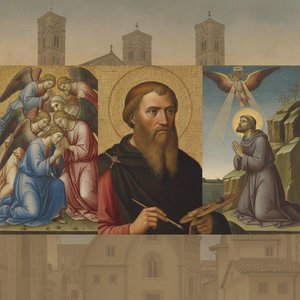
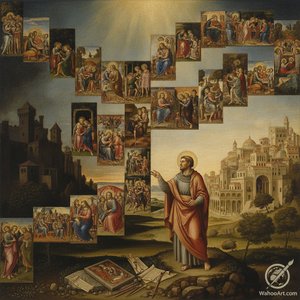
The true heartbeat of the collection lies in its extraordinary assemblage of frescoes, most notably the monumental works by Benozzo Gozzoli . Commissioned for the Cappella Comunale in the Modena Cathedral, these panels are a triumph of Early Renaissance precision. As one wanders through the narrative cycles, the vibrant color palettes and meticulous detail—depicting the profound scenes of the Nativity and the Adoration of the Magi—transport the viewer to a world of spiritual splendor. This mastery is complemented by a diverse array of works that showcase the stylistic evolution of the region, including:
- The delicate beauty of Jan Massys’s Flora , which captures a soft, naturalistic grace.
- The allegorical depth found in Cecchino del Salviati’s Charity .
- The luminous elegance of Lorenzo Pasinelli , reflecting the shifting sensibilities of later centuries.
Architectural Layers and Historical Resilience
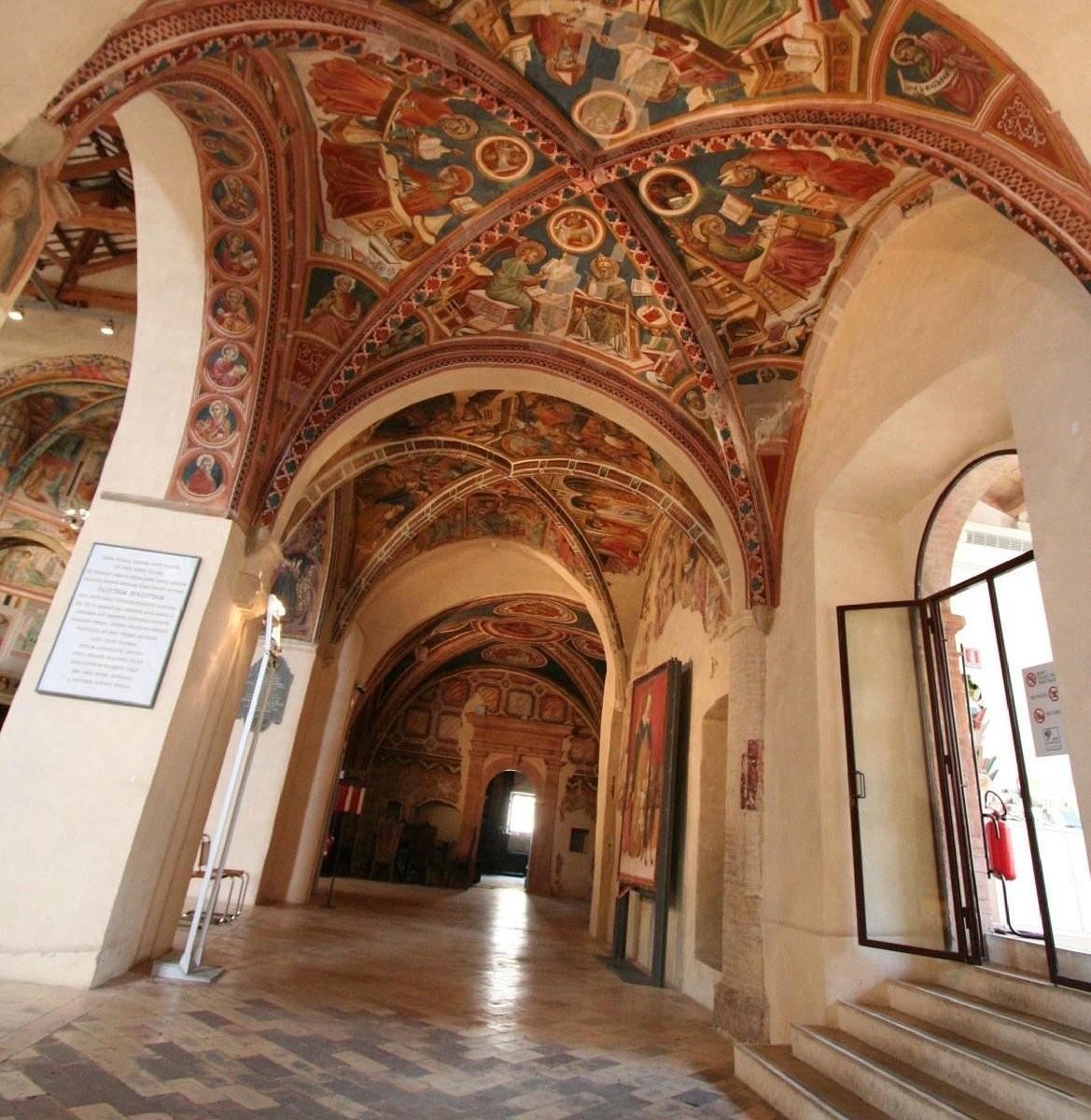
The architecture of San Francesco itself tells a story of resilience and stylistic layering. While the bones of the structure reflect a solemn Gothic tradition, the interior reveals the subtle, opulent embellishments of the Baroque period, a result of various historical renovations. The building’s journey—from its early 16th-century grandeur to surviving seismic shifts and periods of profound neglect—adds a layer of poignant character to the viewing experience. Visitors may find themselves captivated by the dramatic interplay of light and shadow across the brickwork and the soaring elements of the church, which reflect the architectural ambitions of a Modena shaped by papal patronage and mercantile prosperity.
It is an environment where the physical structure and the art it protects exist in a state of perfect, symbiotic harmony. What truly distinguishes San Francesco from the sprawling, often impersonal institutions of larger cities is its profound intimacy. It is a place designed for contemplation rather than mere observation. Through significant exhibitions that bridge the gap between Bolognese traditions and international movements, San Francesco remains a vital center for scholarly dialogue and aesthetic discovery. For those seeking to understand the roots of human creativity or looking for inspiration in the enduring power of classical beauty, this Modena treasure offers an unparalleled journey into the very essence of the Italian Renaissance.