Le Visionnaire des Highlands : La Vie et l'Art de Douglas Gordon Shields
Dans la tapisserie de l'histoire de l'art écossais, peu de fils sont aussi richement colorés ou aussi évocateurs que ceux tissés par Douglas Gordon Shields. Né à Glasgow en 1888, Shields a émergé durant une ère de transformation, une époque où le romantisme persistant de l'ère victorienne commençait à danser avec la lumière et le mouvement naissants du modernisme. Sa vie, s'étendant de la fin du XIXe siècle jusqu'à son décès en 1940, sert de pont entre deux mondes : les traditions académiques disciplinées de la Glasgow School of Art et la liberté éthérée et atmosphérique de l'impressionnisme. Contempler une toile de Shields, c'est être témoin d'un dialogue profond entre l'observation méticuleuse de la réalité et la résonance émotionnelle du paysage écossais.
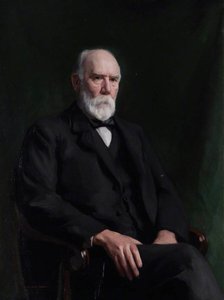
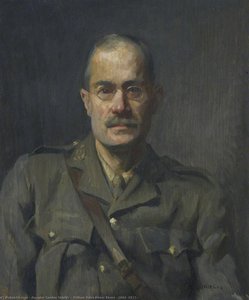
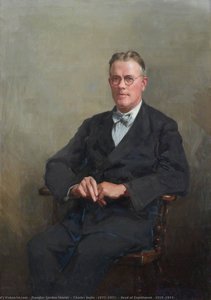
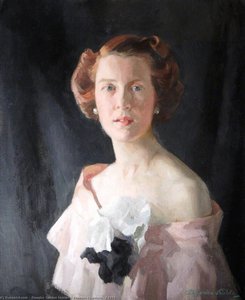
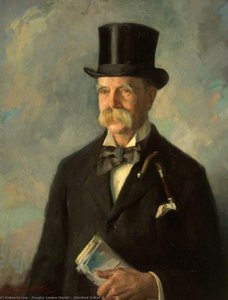
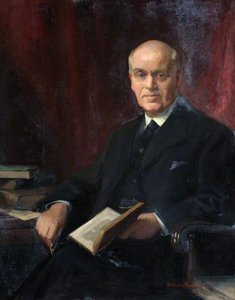
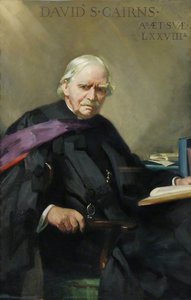
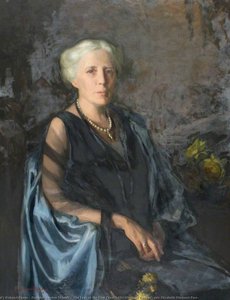
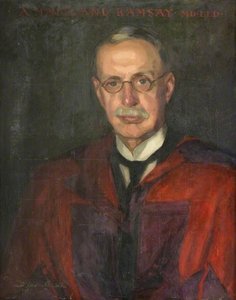
Les fondations artistiques de Shields ont été posées dans les prestigieuses salles de la Glasgow School of Art, où il s'est immergé dans les techniques rigoureuses de la peinture académique. Cette période de sa vie fut définie par une quête disciplinée de la maîtrise, apprenant à rendre les textures, la lumière et la forme avec une précision presque scientifique. Sa formation initiale lui a inculqué une révérence pour le détail qui lui permettrait plus tard d'exceller dans le genre exigeant du portrait. À mesure qu'il commençait à établir sa réputation, Shields est devenu un chroniqueur très convoité de l'élite écossaise. Ses portraits étaient bien plus que de simples ressemblances ; ils étaient des études psychologiques imprégnées de dignité et de grâce. Qu'il s'agisse de capturer la résolution austère d'un industriel ou l'élégance délicate d'une dame, comme dans son œuvre d'une beauté envoûtante The Lady in the Blue Cloak, Shields possédait une capacité rare à traduire l'essence même de ses sujets sur la toile grâce à de subtiles gradations tonales et une maîtrise magistrale du rendu des tissus.
Une Symphonie de Lumière et de Paysage
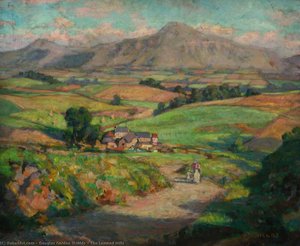
Si le monde structuré du portrait lui a apporté une renommée professionnelle, c'est la beauté sauvage et indomptée des Highlands écossais qui a véritablement capturé l'âme de Shields. Au fil de sa carrière, une métamorphose stylistique s'est opérée, portée par une passion indéniable pour les moments fugaces de la nature. Influencé par les innovations lumineuses de Claude Monet et de Frédéric Bazille, Shields s'est éloigné des frontières rigides du réalisme académique pour tendre vers les contours doux et vibrants de l'impressionnisme. Il a commencé à privilégier la façon dont la lumière danse à travers un vallon ou la manière dont la brume s'accroche à un sommet montagneux, favorisant les coups de pinceau lâches et expressifs au détriment des lignes exactes.
Ce changement lui a permis de créer des œuvres qui ressemblaient moins à des images statiques qu'à des souvenirs vivants. Ses représentations des Lomond Hills s'imposent comme des exemples quintessentiels de cette maîtrise de la fin de sa carrière. Dans ces paysages, on peut ressentir la profondeur atmosphérique et les palettes de couleurs vibrantes et changeantes qui transmettent un profond sentiment d'immédiateté. Il ne se contentait pas de peindre la terre ; il peignait l'air qui l'entoure, l'humidité de la brise et le pouls calme et rythmé de la vie dans les Highlands. Cette capacité à fusionner l'intégrité structurelle de sa formation initiale avec une sensibilité impressionniste à la lumière est ce qui élève son travail de paysage du simple décor à l'expression poétique.
Héritage et Importance Artistique
L'œuvre de Douglas Gordon Shields, comprenant environ 150 peintures significatives, demeure le témoignage d'une vie dédiée à la quête de la vérité visuelle. Son importance réside dans sa position unique de figure de transition, capable de naviguer entre la complexité du formel et la fluidité. Il a honoré les traditions de ses prédécesseurs — l'esthétique préraphaélite et l'idéalisme romantique qui ont façonné sa jeunesse — tout en embrassant sans crainte l'impulsion moderne de capturer l'éphémère.
Aujourd'hui, son travail continue de résonner auprès de ceux qui cherchent le sublime dans le monde naturel et le profond dans les traits humains. Son héritage se retrouve dans :
- La maîtrise de la texture : Sa capacité à rendre le poids du velours et la rugosité de la pierre avec une égale brillance.
- La narration atmosphérique : La manière dont ses paysages évoquent les humeurs spécifiques et envoûtantes du climat écossais.
- La préservation culturelle : Son rôle dans la documentation des visages et des panoramas d'une Écosse prise entre l'ère victorienne et l'ère moderne.
À travers ses yeux, nous sommes invités à redécouvrir les Highlands, non pas seulement comme une situation géographique, mais comme un paysage émotionnel de lumière, d'ombre et de beauté éternelle.
Questions et réponses
À quelle époque historique Douglas Gordon Shields a-t-il vécu ?
Douglas Gordon Shields a œuvré durant la période Époque moderne. Cette époque permet de situer l'activité de l'artiste dans l'histoire.
Où et en quelle année Douglas Gordon Shields est-il né ?
Douglas Gordon Shields est né à Glasgow en 1888.