The Enigmatic Master of the Burg Weiler Altar
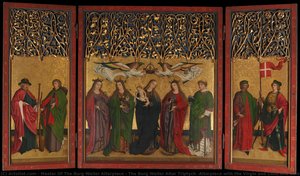
The Burg Weiler Altarpiece, a masterpiece of Mosan art movement, remains shrouded in mystery—a testament to the elusive nature of artistic genius and the challenges faced by historians reconstructing the lives of artists from bygone eras. Little is known definitively about this unnamed craftsman who flourished in Swabia around 1470, yet his contribution to medieval European painting is undeniable, primarily evidenced by the breathtaking triptych housed within the Cloisters Collection of The Metropolitan Museum of Art in New York City.
A Masterpiece Born from Serenity and Devotion
This monumental artwork—measuring approximately 56 x 19 centimeters—captures a profound sense of spiritual contemplation. Executed with meticulous detail, it exemplifies the stylistic hallmarks of the Mosan art movement, characterized by its serene compositions and unwavering focus on religious iconography. The central panel depicts the Virgin Mary enthroned amidst saints, bathed in luminous light—a visual embodiment of piety and divine grace. The artist’s skillful use of color—particularly blues and golds—creates an atmosphere of solemn beauty, reflecting the prevailing artistic sensibilities of his time.
The Influence of Jan van Eyck: A Contemporary Rival
Comparative analysis with Jan van Eyck's Diptych reveals striking similarities in technique and aesthetic vision. Both artists employed oil paint—a revolutionary medium at the time—to achieve unprecedented realism and luminosity, pushing the boundaries of artistic expression. The Burg Weiler Altarpiece’s meticulous rendering of drapery folds and facial expressions underscores the profound impact of Flemish painting on German art during the mid-fifteenth century.
A Style Defined by Color and Composition
The artist's stylistic approach is distinguished by a harmonious balance between color and composition—a hallmark of Mosan art. Vibrant hues are skillfully blended to convey emotion and enhance visual drama, while careful arrangement ensures that each element contributes to the overall narrative. The Burg Weiler Altarpiece stands as a beacon of artistic excellence, demonstrating mastery over both technical skill and expressive artistry.
Beyond the Canvas: Legacy and Impact
Although direct biographical information about the Master of the Burg Weiler Altarpiece remains scarce, his influence can be discerned in subsequent artworks produced during the Mosan art movement—a stylistic tradition that continued to thrive for decades after his lifetime. His legacy endures as a symbol of artistic innovation and spiritual devotion—inspiring artists across generations to strive for beauty and truth within their creations. The Burg Weiler Altarpiece continues to fascinate scholars and connoisseurs alike, prompting ongoing research into the life and oeuvre of this remarkable artist.