A Testament to Medieval Faith: Exploring The Cathedral of the Dormition in Gorodok
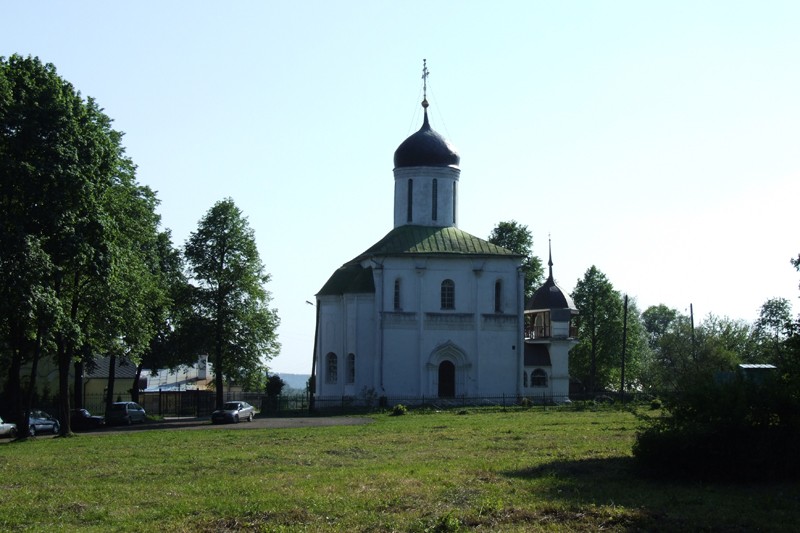
The Cathedral of the Dormition in Gorodok stands as an unparalleled testament to Russia’s artistic and architectural heritage from the XIVth century, nestled within the historic kremlin of Zvenigorod. More than just a building—it's a tangible embodiment of Moscow’s formative years as a cultural and political powerhouse—offering visitors an extraordinary opportunity to delve into the spiritual convictions and aesthetic sensibilities that defined Muscovite Rus’. Its remarkable preservation distinguishes it from countless other historical sites scarred by time, securing its place as an indispensable destination for anyone captivated by Russia's artistic legacy.
Architectural Grandeur: Defenses and Divine Inspiration
Constructed around 1396-1399 under the patronage of Prince Yuri Dmitrievich—the third ruler of Zvenigorod—the cathedral’s design reflects a dual imperative: safeguarding the principality against external threats through its fortified walls and towers, and elevating the soul towards God through its soaring proportions and symbolic ornamentation. Skilled builders meticulously crafted its structure, adhering to architectural conventions prevalent during Muscovite times—characterized by robust construction and imposing grandeur—a stylistic hallmark that speaks volumes about the era’s ambitions. The cathedral's cruciform plan is a deliberate allusion to Christian symbolism, reinforcing its role as a sacred space dedicated to prayer and contemplation.
Fragments of Glory: Rublev’s Legacy
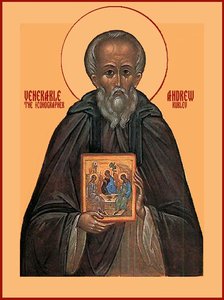
Among the Cathedral’s treasures are fragments attributed to Andrei Rublev—Russia’s most revered icon painter—a figure whose artistic vision profoundly influenced subsequent generations of Russian artists. These elusive vestiges offer invaluable insight into Rublev’s distinctive style—his masterful manipulation of color and his meticulous attention to detail—demonstrating the enduring influence of Byzantine iconography on Russian art. Researchers have painstakingly analyzed these fragments, uncovering subtle nuances that illuminate Rublev's techniques and artistic sensibilities. Notably, two frescoes—those depicting Flore and Laure—are considered among Rublev’s earliest monumental achievements, dating back to 1400 and marking a pivotal moment in the development of Russian painting.
Visual Narratives: Frescoes and Engravings – Echoes of Tradition
The interior walls are adorned with vibrant frescoes portraying biblical scenes—a testament to the prevailing religious beliefs and artistic conventions of the XIVth century. These images resonate with symbolic imagery, conveying profound spiritual truths through carefully crafted compositions and luminous hues. Alongside these frescoes reside intricately engraved decorations—a remarkable feat of craftsmanship from bygone eras—adding textural richness and visual complexity to the cathedral’s aesthetic experience. The engravings serve as a tangible reminder of the artistic skill and technical mastery possessed by medieval artisans, reflecting the traditions of Byzantine art that shaped Russian decorative arts.
A Singular Preservation: Why Gorodok Matters
What truly distinguishes The Cathedral of the Dormition from many comparable structures is its exceptional state of preservation—a remarkable accomplishment considering the passage of time. Unlike numerous historical sites subjected to extensive renovations, this cathedral retains an astonishing degree of original character and artistic integrity—a testament to the dedication of successive generations who recognized its irreplaceable value as a cultural landmark. Its location near Moscow ensures accessibility for scholars and enthusiasts eager to explore Russia’s captivating heritage, cementing Gorodok's position as a cornerstone of Russian history and art. Recent exhibitions have illuminated connections between Gorodok’s Cathedral and broader artistic movements across Europe—underscoring its role as a pivotal site in disseminating Byzantine influences throughout Russia.
-
Explore the Cathedral’s architectural grandeur and defensive fortifications.
-
Admire Rublev's fragments and decipher their stylistic nuances.
-
Delve into the symbolism embedded within the cathedral’s frescoes and engravings.
Resources for Further Exploration: