A Window into Ancient Echoes: CivitArt Cultural Association’s Exploration of Etruscan and Roman Legacy
CivitaArt Cultural Association, nestled in the historic port city of Civitavecchia, Italy, isn't merely a museum; it’s an invitation to step back millennia and immerse oneself in the captivating narratives of Etruscan civilization and the grandeur of Ancient Rome. Situated strategically close to Fort Michelangelo—a testament to centuries of military history—this unassuming institution punches above its weight when it comes to delivering profound insights into Italy's formative past.
-
Unlike sprawling national museums, CivitArt prioritizes intimacy and focused scholarship, fostering a truly immersive experience for visitors.
-
Its location near the port offers convenient access for cruise travelers eager to delve beyond the typical tourist circuit.
Treasures Unearthed: The Collection’s Artistic Soul
At the heart of CivitArt’s appeal lies its remarkable collection, painstakingly assembled from archaeological discoveries originating in Civitavecchia and surrounding Lazio. The museum's curators have dedicated themselves to preserving fragments of Etruscan life—primarily Bucchero pottery, renowned for its distinctive black burnished glaze achieved through a complex firing process—and Roman history, represented by sculptures and architectural remnants that speak volumes about imperial ambition and artistic prowess.
-
Dominating the gallery space is a beautifully preserved statue depicting Apollo, embodying Greek mythology’s reverence for divine beauty and intellect. The sculptor skillfully utilized marble to capture Apollo's serene posture and idealized musculature.
-
Furthermore, remnants from the Taurine Baths offer tangible evidence of Roman bathing rituals—a practice deeply intertwined with social customs and religious beliefs. These fragments showcase intricate mosaics depicting mythological scenes, reflecting the artistic sensibilities of the era.
Architecture Reflects History: A Harmonious Blend
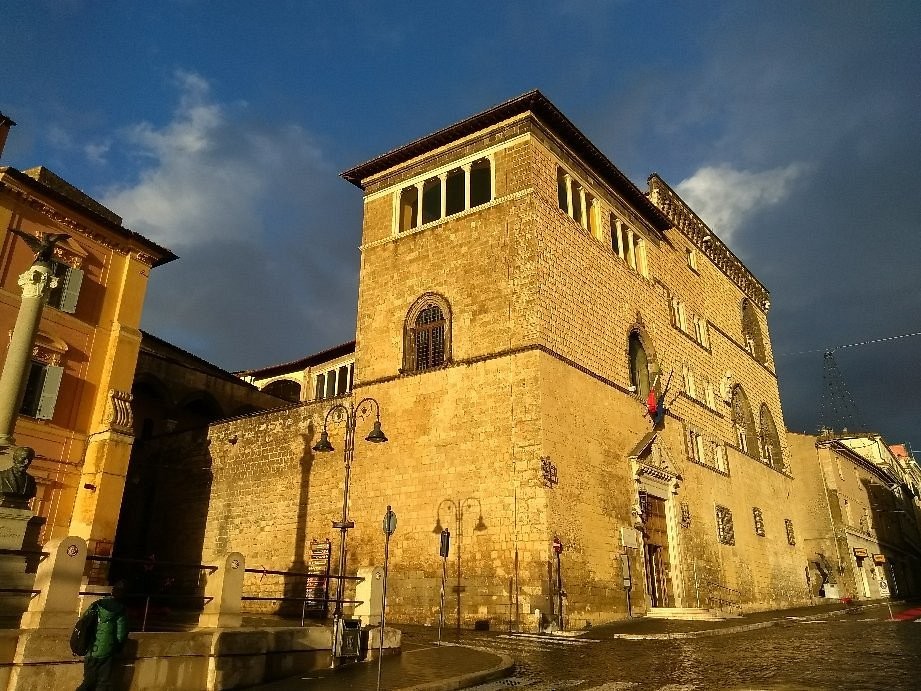
The museum’s building itself is more than just a container for artifacts; it's an embodiment of Civitavecchia’s heritage. Constructed with materials that echo the town’s Roman past, the structure seamlessly integrates into its surroundings—a deliberate choice designed to enhance the visitor’s connection to the historical context.
Architecturally speaking,
the building utilizes local stone and incorporates elements reminiscent of Roman villas, creating a tranquil atmosphere conducive to contemplation and scholarly exploration. The careful consideration of light and space contributes to an ambiance that complements the displayed artworks, fostering a sense of harmony between past and present.
Beyond Static Displays: Engaging Exhibitions
CivitaArt distinguishes itself through its commitment to dynamic exhibitions that breathe new life into ancient narratives. Recent initiatives have explored themes ranging from Etruscan funerary rituals to the influence of Roman art on Italian Renaissance painters—demonstrating the museum’s ongoing engagement with cutting-edge research and fostering a deeper understanding of artistic evolution.
-
Interactive displays allow visitors to examine reconstructed Etruscan tombs, providing invaluable perspectives on burial customs and beliefs.
A Singular Destination: CivitArt's Unique Appeal
Ultimately, CivitArt Cultural Association’s enduring fascination stems from its singular focus—a dedication to showcasing local archaeological treasures within an environment that prioritizes accessibility and intellectual curiosity. It represents a refreshing alternative for those seeking authentic cultural experiences—a chance to connect with Italy’s past in a way that transcends the superficial allure of mass tourism.
Visiting CivitArt promises
not just observation but participation in the ongoing dialogue between history and art, offering visitors a rare opportunity to contemplate masterpieces alongside the echoes of civilizations long vanished.