County Hall: A Testament to Brutalist Vision and Buckinghamshire’s Artistic Legacy
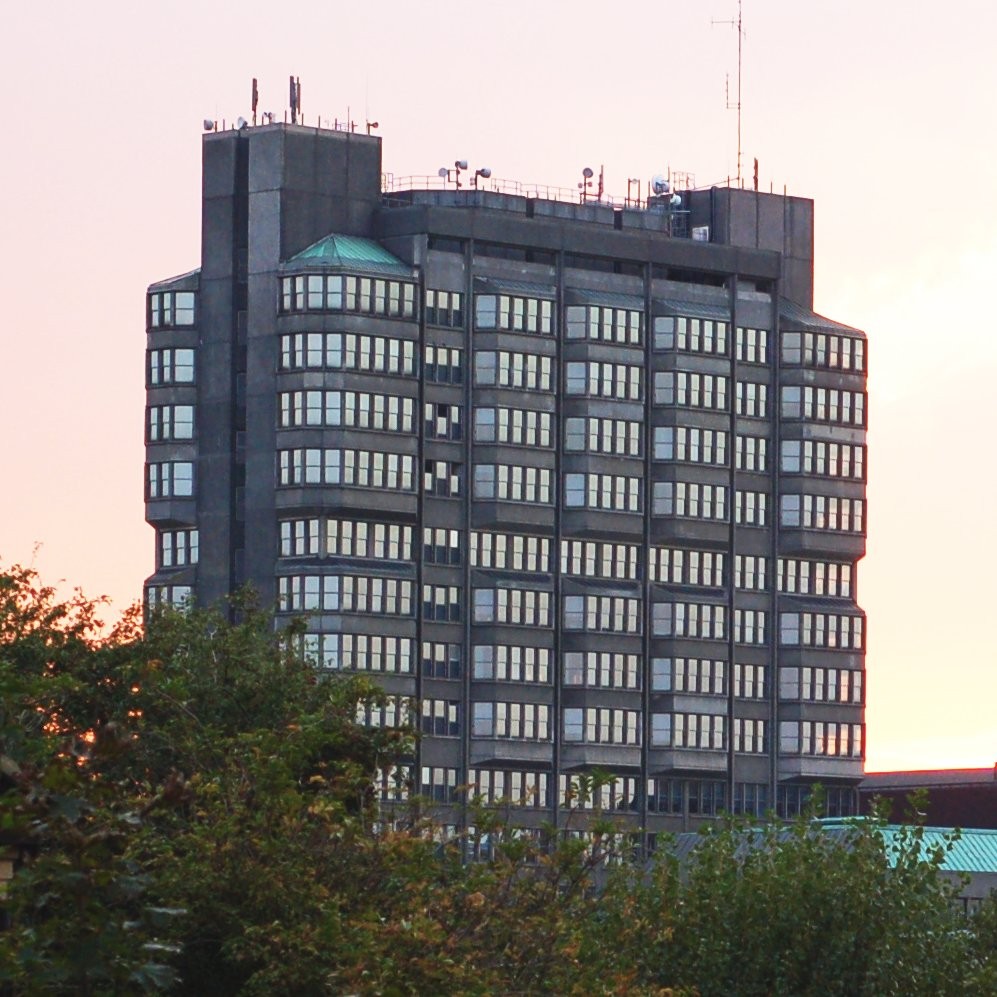
Nestled in the heart of Aylesbury, Buckinghamshire, County Hall stands as a striking embodiment of mid-century architectural idealism—a bold declaration sculpted into the landscape and affectionately dubbed “Pooley’s Folly.” Completed in 1966 under the visionary guidance of architect Fred Pooley, this tower block isn't merely a building; it’s a landmark itself, reflecting the prevailing ethos of Brutalist design: uncompromising materiality, geometric precision, and an assertion of monumental scale. More than just housing regional government offices for decades, County Hall represents a pivotal moment in architectural thought—a deliberate challenge to decorative conventions and a fervent belief in architecture's capacity to shape civic life. Its imposing concrete façade, punctuated by expansive glass panels, continues to provoke contemplation and inspire debate about beauty’s boundaries.
A Collection Rooted in Buckinghamshire’s Artistic Soul
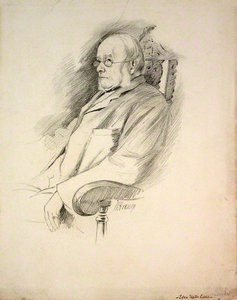
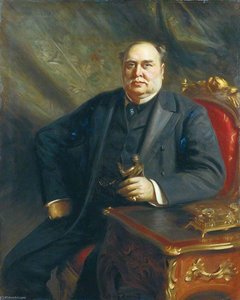
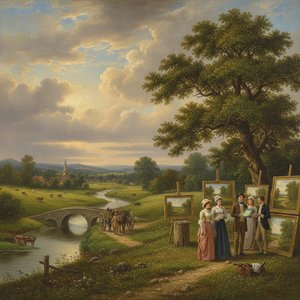
Stepping inside County Hall is akin to embarking on a journey through time—a pilgrimage into the heart of Buckinghamshire’s cultural heritage. The museum’s curators have painstakingly assembled a collection that transcends mere display, weaving together threads from prehistoric settlements to Victorian social history. However, it is arguably in its art holdings that County Hall distinguishes itself most profoundly. Among its treasures resides a captivating hunting scene by Peter Paul Rubens—a masterpiece brimming with dynamic energy and masterful brushwork that exemplifies the Baroque painter’s dramatic flair. The artist’s use of chiaroscuro – the interplay of light and shadow – creates an immersive experience, transporting viewers back to the opulent courts of Europe. Alongside Rubens’ monumental canvas, portraits by Joshua Reynolds and Godfrey Kneller offer intimate glimpses into the lives of influential figures from Buckinghamshire’s past—revealing details about their attire, expressions, and social standing. These paintings aren't simply representations; they are windows onto history, inviting viewers to consider the complexities of human experience within a specific context. The collection includes significant pieces showcasing British landscape painting alongside European masterpieces, demonstrating Buckinghamshire’s role as a conduit for artistic exchange across continents.
Architectural Significance: Brutalist Boldness
County Hall’s architectural merit extends far beyond its utilitarian function. Designed by Fred Pooley, it embodies the tenets of Brutalism—a movement that championed raw concrete as a sculptural material and rejected ornamentation in favor of geometric forms. The building's monolithic appearance is deliberately unsettling, prompting viewers to confront questions about materiality and form. Its sheer scale commands attention, asserting itself against the surrounding landscape and challenging conventional notions of architectural elegance. The tower’s ribbed concrete structure—a testament to engineering ingenuity—creates a dramatic visual rhythm that contributes to its overall impact. Furthermore, the incorporation of expansive glass panels allows natural light to flood into interior spaces, fostering an atmosphere of openness and connection. This daring aesthetic choice stands in stark contrast to the prevailing architectural styles of its era, establishing County Hall as a singular symbol of modernist ambition.
History: From Government Seat to Cultural Hub
Originally conceived as the headquarters for Buckinghamshire County Council in 1929, County Hall’s history is marked by significant transformations reflecting broader societal shifts. Following World War II, it served as a temporary evacuation centre during the Blitz—a poignant reminder of resilience and community spirit. In 1945, it hosted the London Conference of the World Trade Union, cementing its role as a focal point for international dialogue and activism. More recently, County Hall transitioned into The Gatehouse Arts Centre, showcasing contemporary art alongside celebrating Buckinghamshire’s artistic heritage—demonstrating an enduring commitment to fostering creativity and engaging audiences across generations.
What Makes County Hall Unique
County Hall distinguishes itself not merely through its impressive collection or striking architecture but also through its dedication to fostering engagement—particularly among younger visitors. Interactive exhibits encourage hands-on exploration and stimulate curiosity about Buckinghamshire’s past, while thoughtfully curated educational programs delve deeper into the narratives behind the artworks and artifacts on display. The museum's location within a revitalized urban space contributes to its vibrancy and accessibility, making it an ideal destination for families and art enthusiasts alike. Its enduring legacy as “Pooley’s Folly”—a testament to architectural audacity—continues to inspire admiration and debate about the role of buildings in shaping human experience.