
Un Sanctuaire de Mémoire et de Lumière
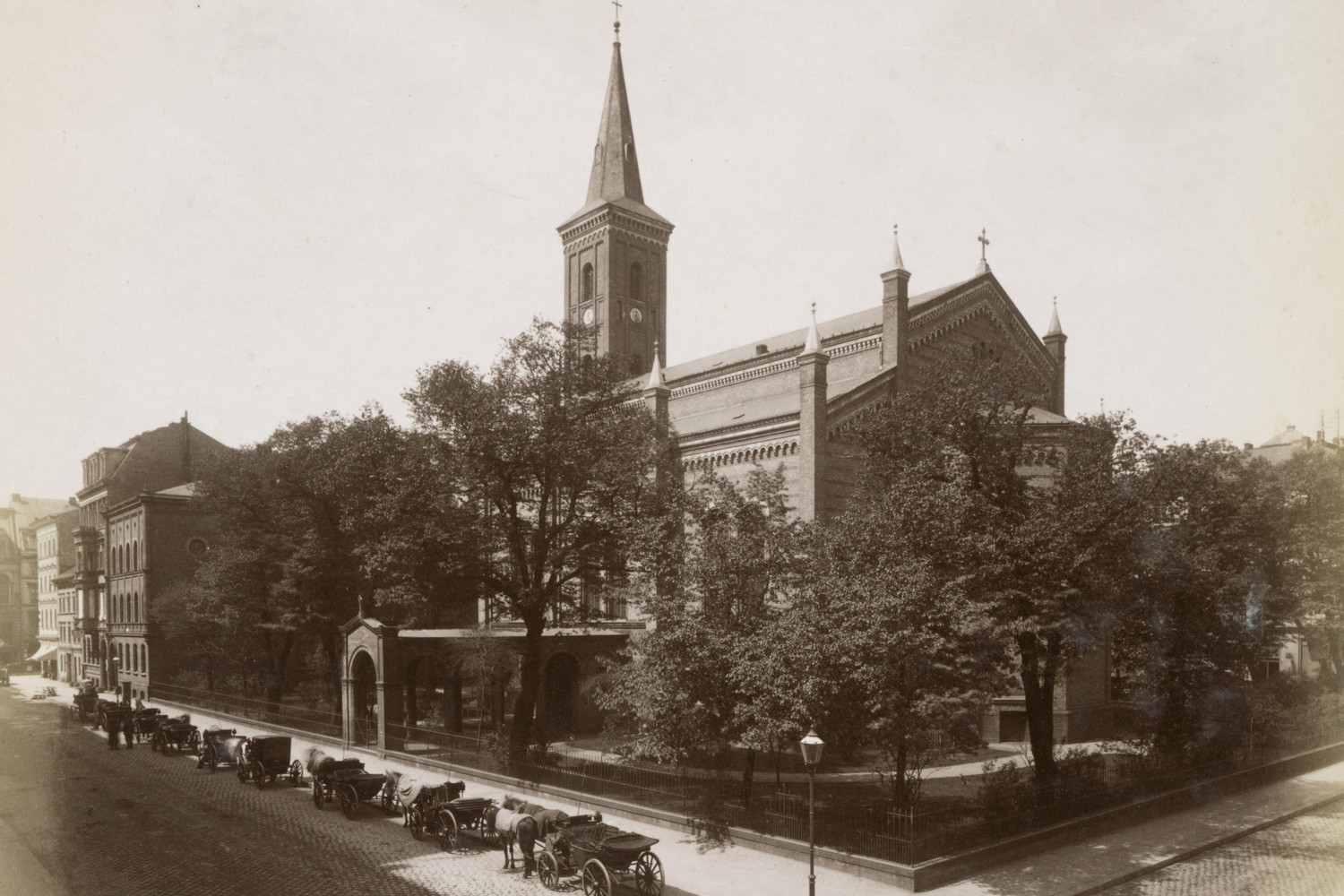
Au cœur battant du quartier Mitte à Berlin, la Dorotheenstädtische Kirche s'érige comme un dialogue architectural profond entre les cicatrices de l'histoire et la promesse lumineuse de l'avenir. Franchir ses portes modestes, c'est laisser derrière soi le rythme effréné de la vie urbaine moderne pour pénétrer dans un espace où le temps semble s'épaissir de sens. L'église, édifice ayant survécu aux immenses dévastations de la Seconde Guerre mondiale et à la reconstruction consécutive d'une ville divisée, offre bien plus qu'un simple réconfort religieux ; elle fait office de musée vivant de l'identité intellectuelle et artistique allemande. Ses murs, qui portent le poids silencieux des traumatismes de guerre, ont été méticuleusement restaurés pour incarner un esprit de résilience, mêlant l'élégance majestueuse des traditions baroque et néoclassique à une sensibilité contemporaine qui honore à la fois ce qui a été perdu et ce qui a renaît.
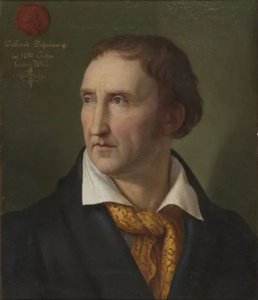
L'âme véritable du complexe réside pourtant dans son cimetière sacré, véritable panthéon du génie allemand où la terre garde les restes de ceux qui ont fondamentalement remodelé la pensée humaine. Déambuler parmi ces monuments érodés est une expérience de profonde contemplation, alors que l'on rencontre les sépultures de titans tels que Georg Wilhelm Friedrich Hegel , dont les cadres philosophiertiques soutiennent encore une grande partie du discours moderne, et Bertolt Brecht , le dramaturge révolutionnaire dont l'œuvre continue de défier les structures sociales. Les pierres tombales elles-mêmes sont des chefs-d'œuvre d'art sculptural, chacune reflétant les nuances stylistiques de son époque — des gravures complexes et sombres aux formes plus épurées et modernistes. Pour l'amateur d'art, ce cimetière n'est pas seulement un lieu de deuil, mais une galerie de sculpture funéraire en plein air qui capture l'évolution des sensibilités esthétiques à travers les siècles.
L'Intersection entre Tradition et Avant-Garde
Dans une juxtaposition époustouflante entre l'ancien et l'avant-garde, le complexe de l'église accueille également l'une des installations d'art contemporain les plus fascinantes d'Europe : « Sonntagskirche № 79 » de James Turrell. Située dans un espace de chapelle dédié, cette œuvre d'art lumineux transforme la perception de l'intérieur, utilisant des dégradés de couleurs soigneusement orchestrés pour dissoudre les limites des murs physiques. Pour le designer d'intérieur ou le collectionneur d'expériences, l'installation de Turrell représente le summum de l'immersion sensorielle, où la lumière devient un médium tangible qui altère notre perception du temps et de l'espace. Ce jeu entre le poids historique et massif de l'architecture de l'église et la nature éthérée et immatérielle de la lumière de Turrell crée une tension unique qui définit l'identité moderne du site.
Au-delà de ses richesses esthétiques et intellectuelles, la Dorotheenstädtische Kirche demeure un lieu solennel de mémoire politique, notamment en tant que mémorial de la tentative d'assassinat ratée du 20 juillet contre Adolf Hitler. Cette strate de gravité historique imprègne chaque recoin de l'église d'un sentiment de responsabilité et de courage profonds. C'est cette rare convergence — entre héritage philosophique, beauté sculpturale, art lumineux contemporain et les échos lourds de l'histoire du XXe siècle — qui fait de la Dorotheenstädtische Kirche une destination indispensable pour quiconque cherche à comprendre l'esprit durable et complexe de Berlin.