
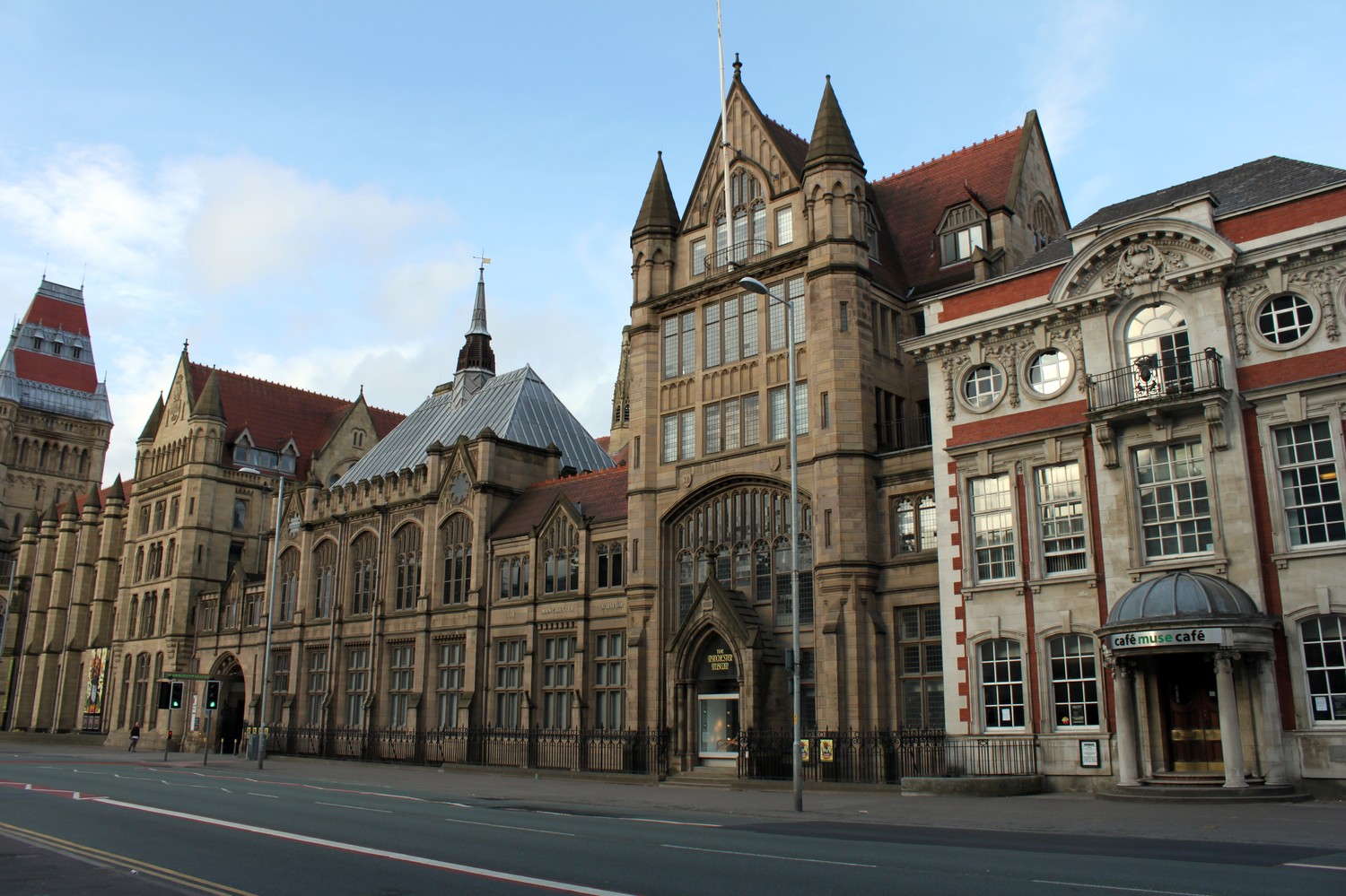




The University of Manchester Museum: A Treasure Trove of Archaeology, Anthropology & Natural History
Located in Oxford Road, Manchester, The University of Manchester Museum stands as a testament to centuries of scientific discovery and artistic expression—a beacon of learning nestled within the heart of Greater Manchester. Founded in 1851 with humble beginnings rooted in Owens College and bolstered by the merger with UMIST in 2004, this institution has evolved into one of Britain’s largest university museums, attracting visitors from across the globe who seek inspiration and knowledge.
- Archaeology: Explore civilizations spanning millennia. Marvel at Egyptian mummies—a poignant reminder of mortality—and decipher Roman inscriptions etched onto weathered stone fragments.
- Anthropology: Immerse yourself in diverse cultures showcased through ethnographic collections from Africa, Asia and Oceania. Observe intricate textiles woven by indigenous artisans and contemplate the symbolism embedded within ceremonial masks.
- Natural History: Encounter fossils that chronicle Earth’s geological past—including a breathtaking display of dinosaur skeletons like Stan the T-Rex—and marvel at specimens representing the astonishing biodiversity of our planet.
The museum's architectural grandeur reflects its intellectual heritage. Designed by Alfred Waterhouse, renowned for his collaboration with Sir Joseph Paxton on Crystal Palace, it embodies neo-Gothic principles—a deliberate homage to Manchester’s medieval past and a symbol of aspiration towards progress. The recent redevelopment project, financed by the Heritage Lottery Fund, has ushered in transformative changes: expansive galleries housing groundbreaking exhibitions like “South Asia Gallery” and “Chinese Culture Gallery,” alongside the innovative Belonging Gallery exploring themes of identity and cultural heritage.
What distinguishes The University of Manchester Museum is its unwavering commitment to fostering intellectual curiosity and promoting intercultural understanding. Admission remains free—a gesture of accessibility designed to encourage engagement with art and science alike. Furthermore, it serves as a vital resource for researchers and educators—supporting groundbreaking scholarship and inspiring the next generation of innovators.
Whitworth Art Gallery
Nestled in Whitworth Park, Manchester, The Whitworth Art Gallery presents an unparalleled collection spanning from Regency to contemporary art—featuring masterpieces by Turner, Reynolds and many more. Its distinctive architecture, conceived by Alfred Waterhouse, complements the historic buildings of Oxford Road.
Collection Highlights
- Turner Landscapes: Admire J.M.W. Turner’s evocative depictions of British landscapes—capturing the sublime beauty of nature with masterful brushstrokes and vibrant hues.
- Textile Artistry: Explore a remarkable assemblage of textiles from around the world—ranging from intricate Mughal embroideries to bold Bauhaus prints—demonstrating the transformative power of artistic vision.
The Whitworth’s ongoing commitment to innovation ensures that its exhibitions continue to resonate with audiences worldwide.
Notable Exhibitions
- “Ephemeral Landscapes”: Witness a captivating exploration of transient beauty—featuring artworks reflecting the fleeting rhythms of seasonal change and capturing moments of sublime serenity.
The Whitworth Art Gallery stands as an enduring symbol of Manchester’s artistic spirit—inviting visitors to contemplate the profound connections between art, science and human experience.