
A Sanctuary of Artistic Echoes: Exploring the Kunsthaus Zürich
Nestled within the vibrant heart of Zurich, Switzerland, the Kunsthaus Zürich is more than simply a repository of art; it’s an immersive experience, a profound dialogue spanning centuries and movements. From its modest beginnings as a society dedicated to nurturing an appreciation for artistic expression, the museum has blossomed into Switzerland's largest cultural institution—a space where history breathes alongside innovation, inviting visitors on a journey that transcends mere observation. The very air within seems imbued with creativity, beckoning exploration and contemplation, promising an encounter rich in meaning and lasting impact.
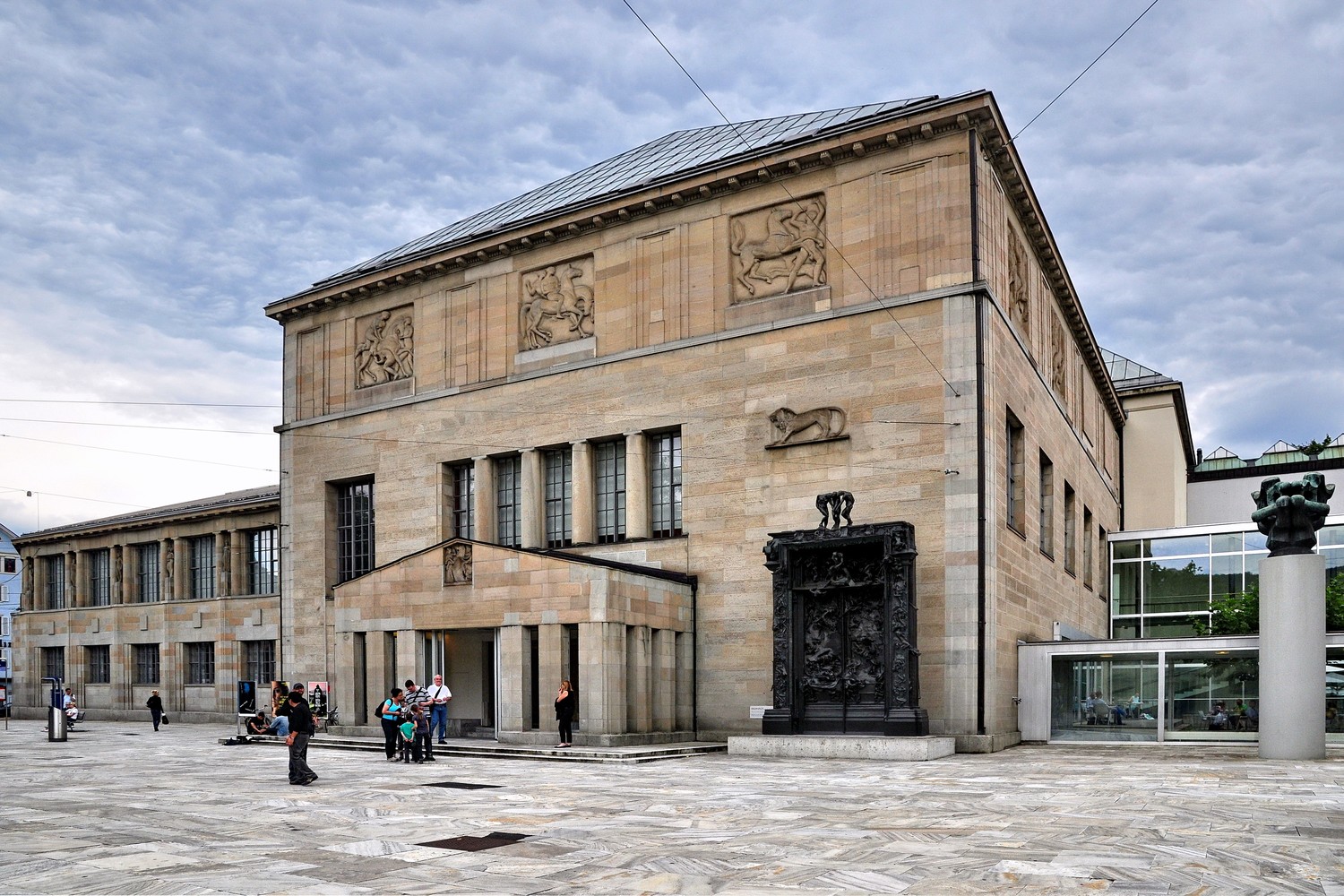
The museum’s narrative is inextricably linked to its architectural evolution. Initially conceived by Karl Moser and Robert Curjel in 1910, the original building stands as a testament to the Secession movement—a bold declaration of independence from academic constraints. Its Neo-Grec façade, adorned with intricate sculptural reliefs inspired by classical antiquity, immediately establishes the museum’s identity as a champion of avant-garde thought. However, recognizing the exponential growth of its collection, expansion became inevitable. Throughout the 20th century, additions were thoughtfully integrated, culminating in the breathtaking 2020 extension by David Chipperfield Architects—a harmonious conversation between old and new that dramatically enhances spatial capacity while preserving the museum’s core aesthetic principles. This isn't merely an addition; it’s a masterful integration of history and modernity, creating a space of surprising intimacy and grandeur.
The Secession Legacy: Moser’s Vision
At the heart of the Kunsthaus’s story lies Karl Moser’s visionary design for the original building. Embracing the tenets of the Secession movement—a revolutionary artistic current that prioritized freedom, experimentation, and a rejection of traditional academic styles—Moser sought to create a space that mirrored Zurich's burgeoning artistic spirit. The Neo-Grec façade, with its deliberate references to classical forms, was not an imitation but a reimagining, imbued with a distinctly modern sensibility. The building’s interior spaces were designed to be both grand and intimate, fostering a sense of discovery and encouraging visitors to engage deeply with the artwork on display. This initial design established a legacy of bold artistic expression that continues to inform the museum's approach today—a commitment to celebrating unconventional perspectives and challenging conventional notions of beauty.
Expansion Through Time: Integrating History & Innovation
The Kunsthaus’s growth demanded adaptation, leading to a series of carefully considered architectural expansions throughout the 20th century. Each addition was conceived as a respectful response to the existing structure, ensuring that new spaces harmonized with the museum's historical identity. The most significant transformation arrived in 2020 with the ambitious extension by David Chipperfield Architects. This striking, freestanding building—a testament to modern design principles—houses the museum’s collection of classic modernism, Bührle Collection, temporary exhibitions and art from 1960 onwards. The integration of this new space doesn't disrupt the original; instead, it creates a dynamic dialogue between past and present, offering visitors an unparalleled breadth of artistic experience. The careful use of natural light and the interplay of materials—particularly the exposed concrete—demonstrate a sophisticated understanding of how to complement and enhance the museum’s existing character.
A Celebration of Artistic Diversity: From Monet to Giacometti
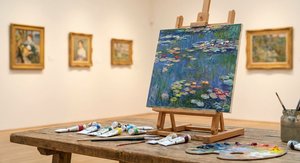
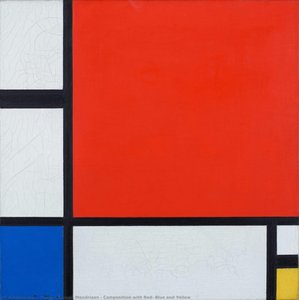
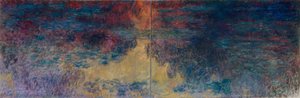
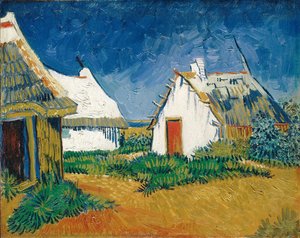
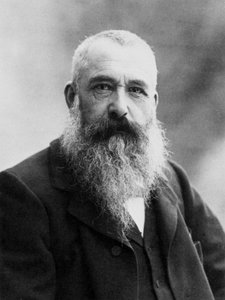
Within its walls, the Kunsthaus Zürich boasts an extraordinary collection spanning centuries and continents. Visitors can lose themselves in the luminous landscapes of Claude Monet—capturing fleeting moments of light and atmosphere with his signature Impressionistic brushstrokes. The museum’s devotion to Alberto Giacometti’s sculptures – often imbued with a haunting fragility and existential weight – reveals an artist's profound engagement with human form and the complexities of the modern condition. Beyond these iconic works, the collection encompasses masterpieces by Edvard Munch, Pablo Picasso, Chagall, Kokoschka, Beckmann, and countless others—a testament to the museum’s commitment to showcasing artistic diversity across eras and movements. The Kunsthaus also houses a significant collection of Swiss art, including works by Füssli, Segantini, Hodler, Vallotton, and Zurich concrete artists like Bill, Glarner and Loewensberg – reflecting a deep appreciation for the nation's artistic heritage.
Contemporary Currents: Engaging Ideas & Voices
The Kunsthaus Zürich isn’t simply a museum of the past; it actively cultivates dialogue with contemporary art. It provides a vital platform for innovative installations, thought-provoking exhibitions, and engaging programs that challenge conventions and provoke reflection. From multimedia explorations to interactive experiences, the museum invites visitors to grapple with pressing societal issues through the lens of artistic creativity—affirming its role as a beacon of intellectual curiosity and cultural dynamism. Currently, the museum is dedicated to showcasing works by artists such as Pipilotti Rist and Peter Fischli/David Weiss, reflecting a commitment to embracing new voices and perspectives within the art world. The Kunsthaus remains a vibrant space where tradition meets innovation, ensuring that art continues to inspire and challenge audiences for generations to come.
Useful Links: