
Sommaire
Informations clés
- Works on APS: 8
- Alternate names:
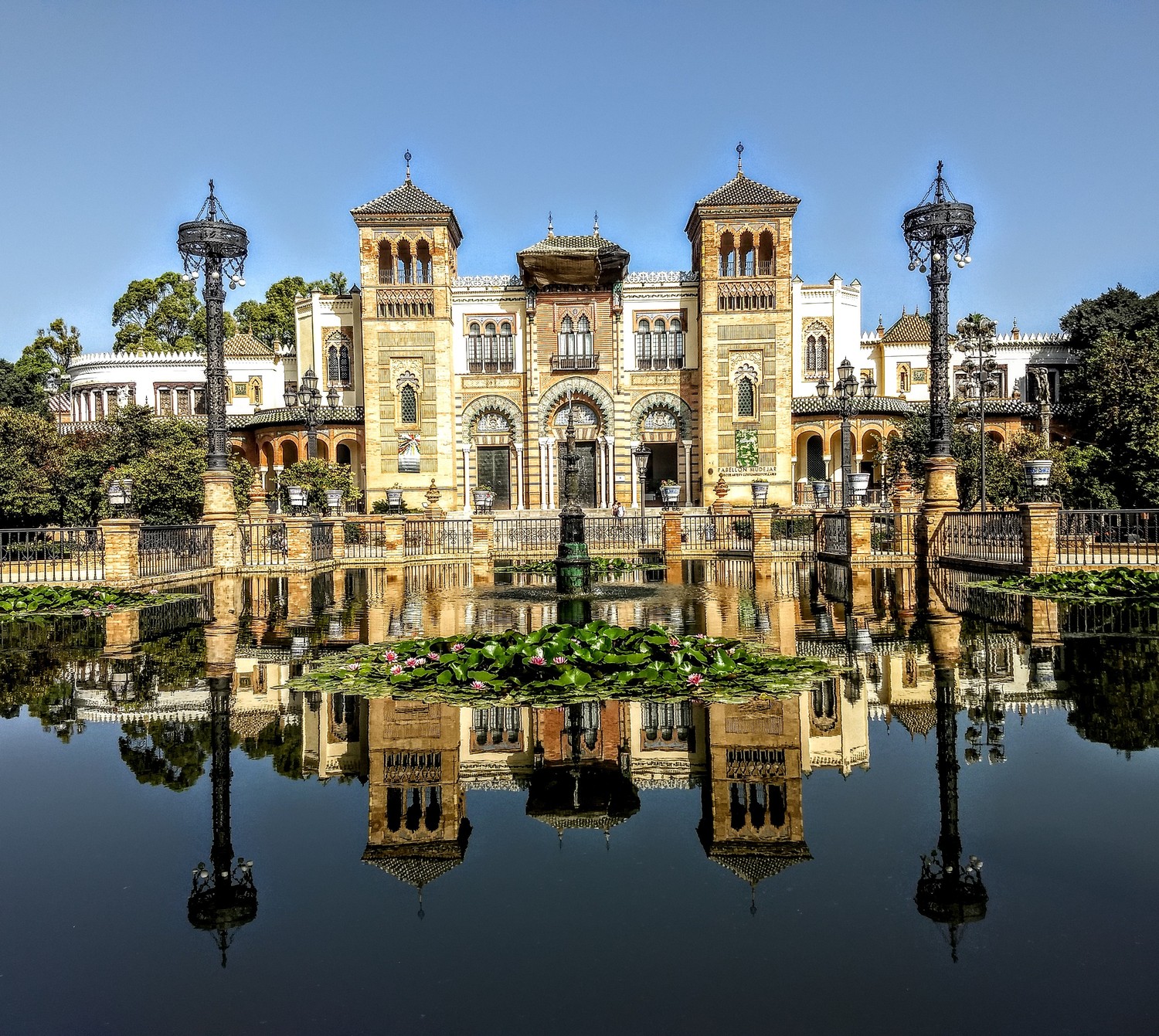
- Museo de Artes y Costumbres Populares
- Museum of Arts and Popular Customs of Seville
- Museum of Arts and Popular Customs
- Museo de Artes y Costumbres Populaires
- Pavellón Mudéjar
- Location: Sevilla, España
- Featured artists:
- andrés parladé y heredia, the count of aguiar
- fernando marmolejo camargo
- hermanos morillo ´fábrica santa inés´ pottery
- antonio passporte
- francisco fuentes díez pottery
Artistes de la collection
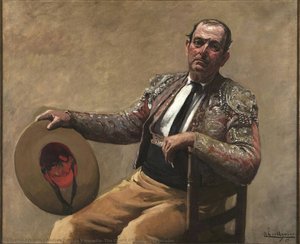
Andrés Parladé Y Heredia, Le Comte D'Aguiar
Découvrez Andrés Parladé y Heredia, le comte d'Aguiar : maître espagnol de la peinture de genre et du portrait. Connu pour ses scènes de chasse, la tauromachie et les animaux. Explorez son héritage.

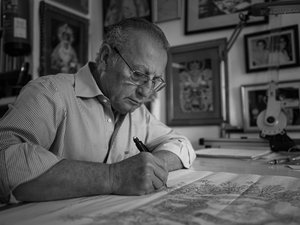
Fernando Marmolejo Camargo
Fernando Marmolejo Camargo (1915-2006) était un célèbre orfebre espagnol originaire de Séville, reconnu pour son travail minutieux et raffiné en métal sacré, notamment le Camarín de la Virgen de la Macarena. Découvrez son héritage artistique et son esthétique unique reflétant l'âme de l’art andalou !

Hermanos Morillo Fábrica Santa Inés
Hermanos Morillo ´Fábrica Santa Inés´ : Ceramistes malacitains célèbres pour leur style unique «maceta malagueña». Œuvres artisanales en céramique et éléments décoratifs faits entre 1941 et 1999.
Quiz d'art
Chaque question ne comporte qu'une seule réponse correcte.
Question 1:
Quel style architectural caractérise le Musée des Arts et Coutumes Populaires de Séville ?
Question 2:
Le bâtiment du musée était initialement conçu pour:
Question 3:
Quel élément décoratif présente une remarquable richesse de motifs sur la façade du Pavillon Mudéjar ?
Question 4:
La collection Díaz Velázquez présente principalement:
Question 5:
Où est situé le Musée des Arts et Coutumes Populaires ?
Articles similaires
Bartolomé Esteban Murillo: Divine Light & Social Commentary in Golden Age Seville
Explore the captivating world of Bartolomé Esteban Murillo, a master of Spanish Baroque painting. Discover his luminous religious scenes, tender genre paintings & lasting legacy in Golden Age Seville. Learn more at Mus3ums.
The Golden Age Reforged: Dramatic Realism & Religious Zeal in Spanish Baroque Art
Explore the dramatic world of Spanish Baroque art! Discover masters like Zurbarán & the powerful influence of religious zeal on painting techniques – a guide for collectors and enthusiasts.
Rafael de Penagos: A Study in Spanish Portraiture & Artistic Identity
Explore the life & art of Rafael de Penagos, a leading Spanish Art Deco illustrator. Discover his iconic 'Penagos Woman', commercial work, and lasting legacy. Learn about this pivotal figure in 20th-century Spanish art history.
Collection d'œuvres d'art
Aucune œuvre d'art trouvée.
© 2026 mus3ums.com